What Happens If You Ignore Minor Cracks in Your Parking Lot?
A tiny fissure in your asphalt might seem like a cosmetic nuisance, but in the world of pavement management, it is a ticking time bomb for your property's infrastructure.
The Illusion of Safety: Why Minor Cracks Matter
For many property managers and business owners, a small crack in the parking lot is often viewed as something that can wait until next year. It doesn't impede traffic, and it doesn't immediately stop customers from parking. However, this perspective overlooks the fundamental way asphalt functions. Asphalt is a flexible pavement, and those tiny openings are the primary entry points for the elements.
In a bustling hub like Brampton, where weather patterns can shift rapidly from scorching summer heat to freezing winter temperatures, the integrity of your pavement is constantly under siege. When you ignore these cracks, you aren't just delaying a repair; you are actively allowing the degradation of your entire parking surface.
The Domino Effect of Neglect
Once a crack forms, a predictable and destructive cycle begins. This process is often referred to as the "domino effect" of pavement failure. Here is how the damage progresses:
1. Water Infiltration
The most significant enemy of your parking lot is water. When rain or melting snow enters a minor crack, it seeps into the sub-base—the layer of stone and soil beneath the asphalt. This softens the foundation, making it unable to support the weight of vehicles.
2. The Freeze-Thaw Cycle
In Ontario, the freeze-thaw cycle is particularly brutal. Water trapped in cracks expands as it freezes, exerting immense internal pressure that pushes the asphalt apart. This turns a hairline fracture into a wide gap within a single season. Professionals at Capital Parking Lot Line Painting emphasize that catching these cracks before the frost hits is critical to preventing total surface failure.
3. Structural Collapse and Potholes
As the sub-base weakens, the asphalt above it loses its support. Eventually, the surface will buckle or sink, creating potholes. What started as a simple crack sealing job has now escalated into a massive reconstruction project.
The Hidden Costs of Delaying Maintenance
While it might seem like you are saving money by skipping maintenance, the reality is quite the opposite. Delaying repairs leads to several cascading financial and operational burdens:
- Exponential Repair Costs: Sealing a crack is a fraction of the cost of replacing an entire section of asphalt.
- Liability Risks: Deep cracks and potholes are trip hazards for pedestrians and can cause damage to customer vehicles, leading to potential legal issues.
- Diminished Curb Appeal: A cracked, weathered lot sends a signal to customers that the business may be neglected.
- Reduced Property Value: Well-maintained pavement is a key asset in commercial real estate valuation.
Proactive vs. Reactive Management
The difference between a successful property manager and a stressed one often comes down to their approach to maintenance. Reactive management means waiting for something to break before fixing it. Proactive management means identifying vulnerabilities before they become crises. By partnering with experts like Capital Parking Lot Line Painting, you can implement a schedule that addresses cracks, sealcoating, and Line Marking before the damage becomes irreversible.
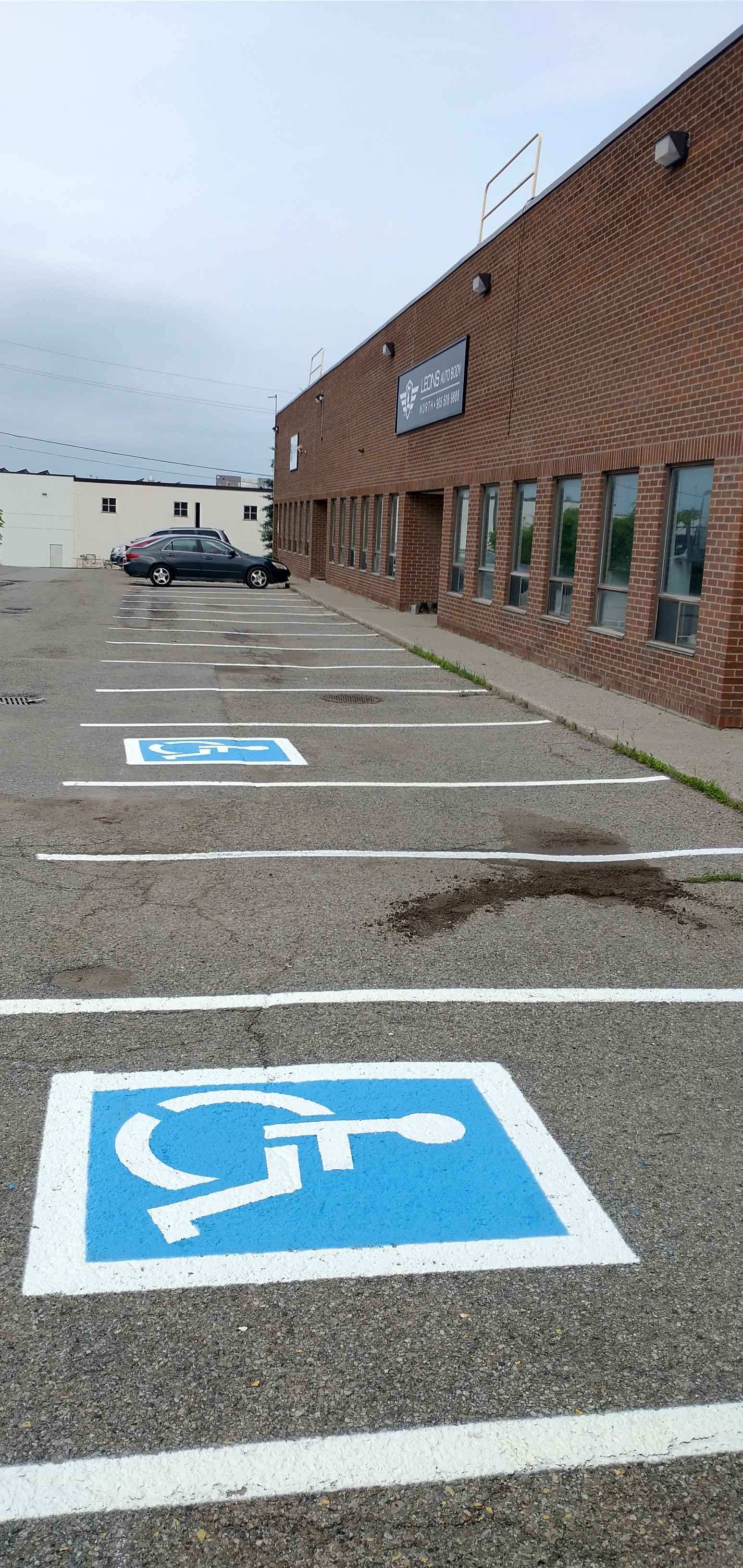
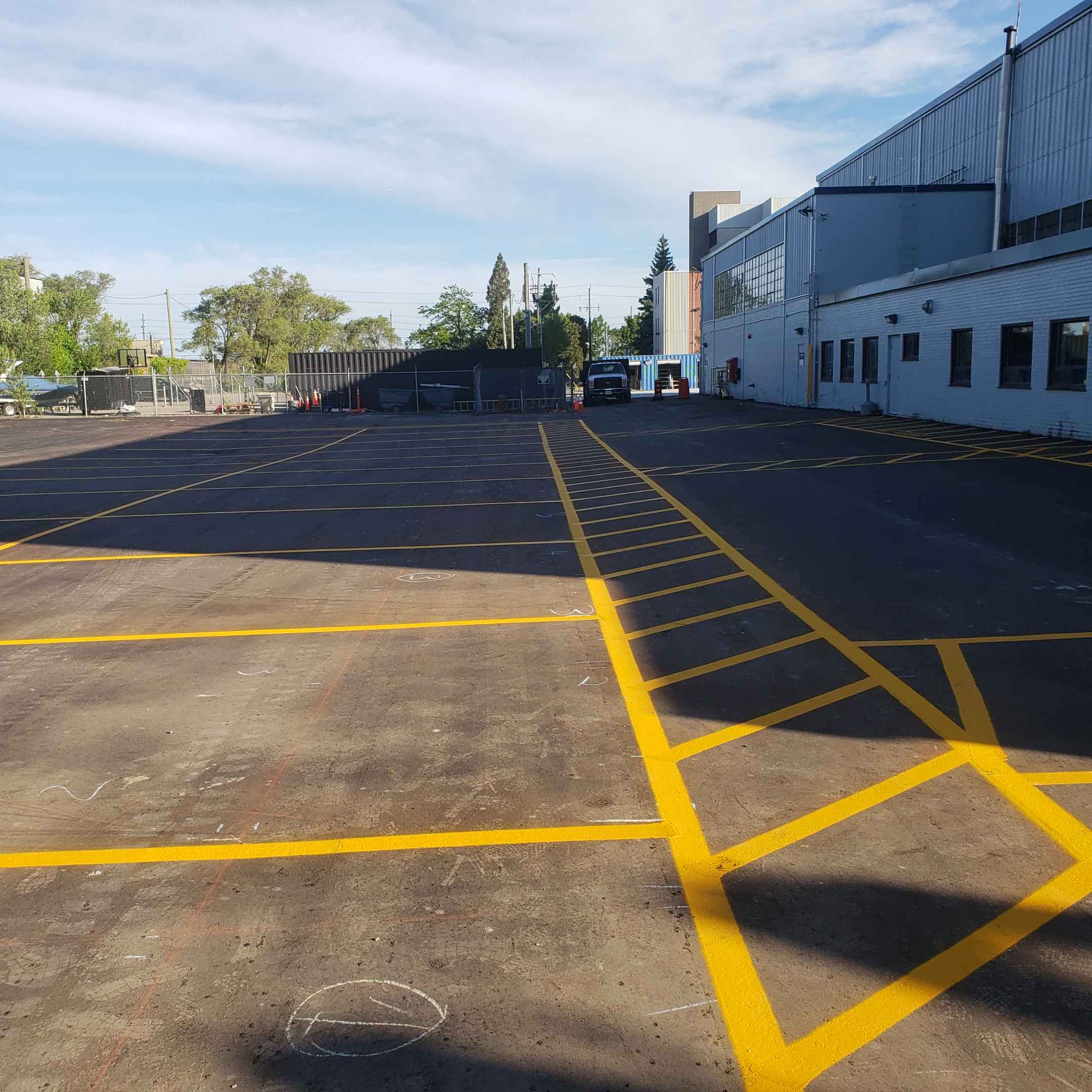
Regular Line Marking is also a vital part of this proactive approach. Not only does it keep your lot organized, but it also ensures that safety zones and handicap spaces are clearly visible, reducing the risk of accidents in high-traffic areas like those found in Brampton.
Don't Wait for the Pothole
If you are noticing even the smallest signs of wear, now is the time to act. A professional assessment can determine if your lot requires simple crack filling, a fresh coat of sealant, or updated Line Painting to restore safety and aesthetics. Capital Parking Lot Line Painting provides the expertise needed to extend the lifespan of your pavement through strategic, timely interventions.