Is Sealcoating Suitable for Older Asphalt Surfaces?
As asphalt ages, property owners often face a critical question: can a fresh layer of sealant breathe new life into a weathered surface, or is the damage too deep to repair?
Understanding the Lifecycle of Asphalt
Asphalt is a resilient material, but it is not invincible. In a climate like Ottawa, where the freeze-thaw cycle is aggressive, asphalt surfaces undergo significant stress every year. Over time, the liquid asphalt binder that holds the aggregate together begins to oxidize, leading to a grey, brittle appearance. This is often the first sign that your pavement is aging.
When considering sealcoating for an older surface, it is vital to distinguish between cosmetic aging and structural failure. If your asphalt is simply turning grey and showing minor surface wear, sealcoating can be a highly effective preventative measure. However, if the surface is crumbling or shifting, the conversation changes.
When Sealcoating is the Right Choice
Sealcoating acts as a protective barrier against water, oil, and UV rays. For older surfaces that are still structurally sound, applying a high-quality sealant can prevent further degradation. Capital Parking Lot Line Painting recommends sealcoating as a proactive maintenance step to extend the interval between expensive resurfacing projects.
Key Indicators That Your Surface is Ready for Sealcoating:
- The asphalt has turned light grey due to oxidation.
- There are minor surface cracks (hairline cracks) that do not affect the base.
- The surface feels slightly rough or porous.
- There are no significant depressions or "alligator cracking" patterns.
When Sealcoating is NOT Enough
There comes a point where a sealant is merely a "band-aid" on a much larger wound. If your parking lot exhibits heavy structural damage, sealcoating will not provide the necessary stability. At Capital Parking Lot Line Painting, we often advise clients that applying sealant over failing sub-bases is a wasted effort.
Red Flags to Watch For:
If you notice large potholes, significant sinking, or widespread "alligator cracking" (cracks that look like reptile skin), the base layer of your asphalt has likely failed. In these instances, the asphalt has lost its load-bearing capacity. Sealcoating cannot fix these issues; instead, these areas require professional repair or a complete overlay to ensure safety and longevity.
The Importance of Professional Preparation
One of the biggest mistakes property owners make is attempting to sealcoat an old surface without proper preparation. An older surface is often filled with dirt, loose aggregate, and existing cracks. If these are not addressed, the sealant will not bond correctly, leading to premature peeling.
A professional approach involves several critical steps:
- Deep Cleaning: Removing all debris and oils from the aged surface.
- Crack Filling: Using specialized hot-pour rubberized fillers to seal deep fissures before the coating is applied.
- Surface Priming: Ensuring the aged, porous surface is ready to receive the new layer.
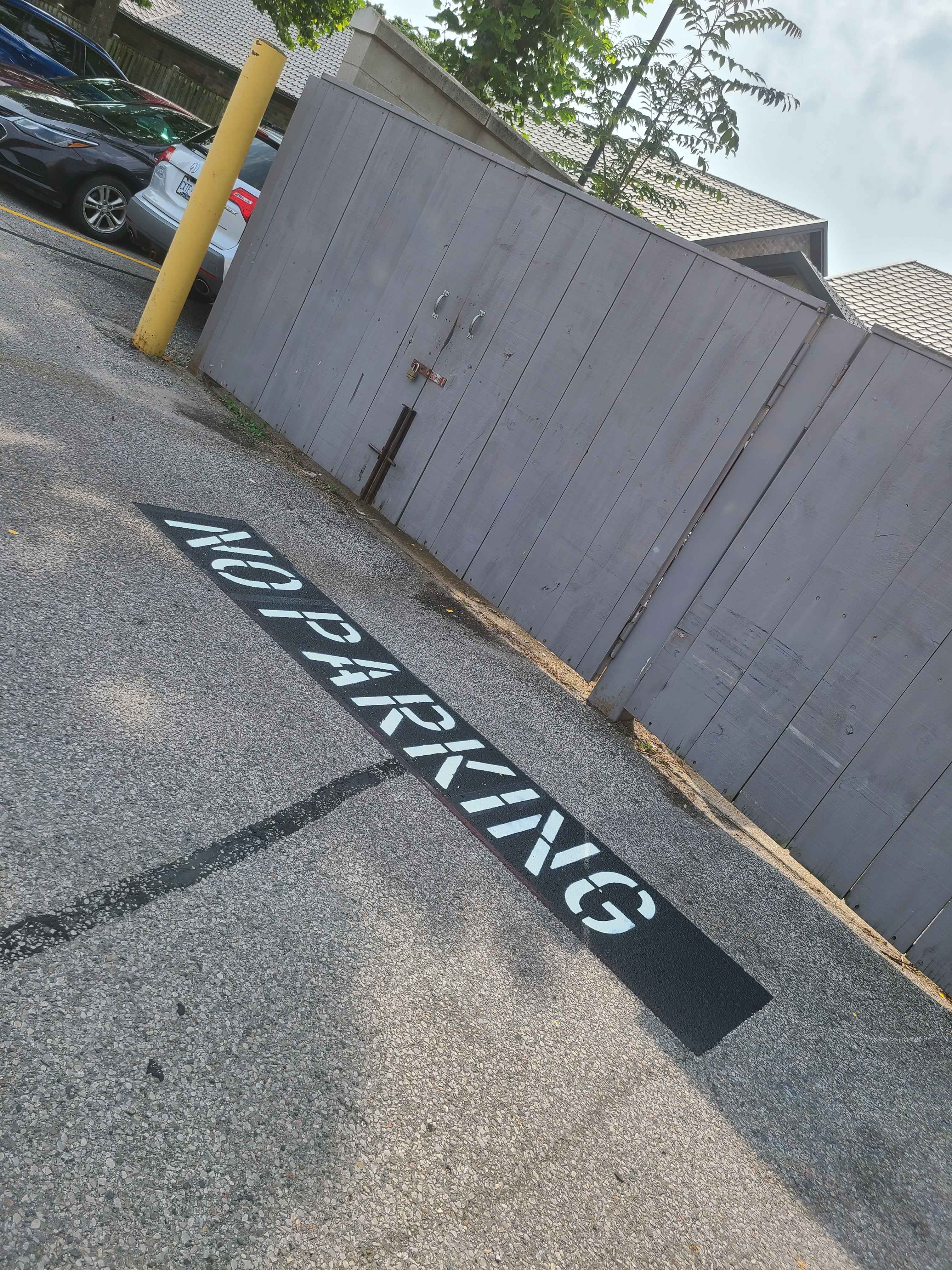
Once the surface is restored and sealed, it is the perfect time to refresh your visual identity through Line Marking. Freshly sealed black asphalt provides the perfect high-contrast background for crisp, professional Line Painting, making your lot look brand new.
Maximizing Your Investment in Ottawa
For businesses in Ottawa, curb appeal and safety are paramount. A well-maintained parking lot signals professionalism to your customers. By working with experts like Capital Parking Lot Line Painting, you can create a maintenance schedule that balances cost-effective sealcoating with necessary structural repairs.
Remember, the goal of maintenance is to stay ahead of the decay. Addressing minor issues today prevents the massive expenditures required for full reconstruction tomorrow.
Expert Asphalt Care & Maintenance