Line Painting Tips for High-Traffic Commercial Lots
Maintaining a professional appearance and ensuring the safety of your customers starts from the moment they pull into your parking area. For high-traffic commercial zones, standard maintenance isn't enough; you need a strategic approach to line marking.
The Importance of Precision in Commercial Line Marking
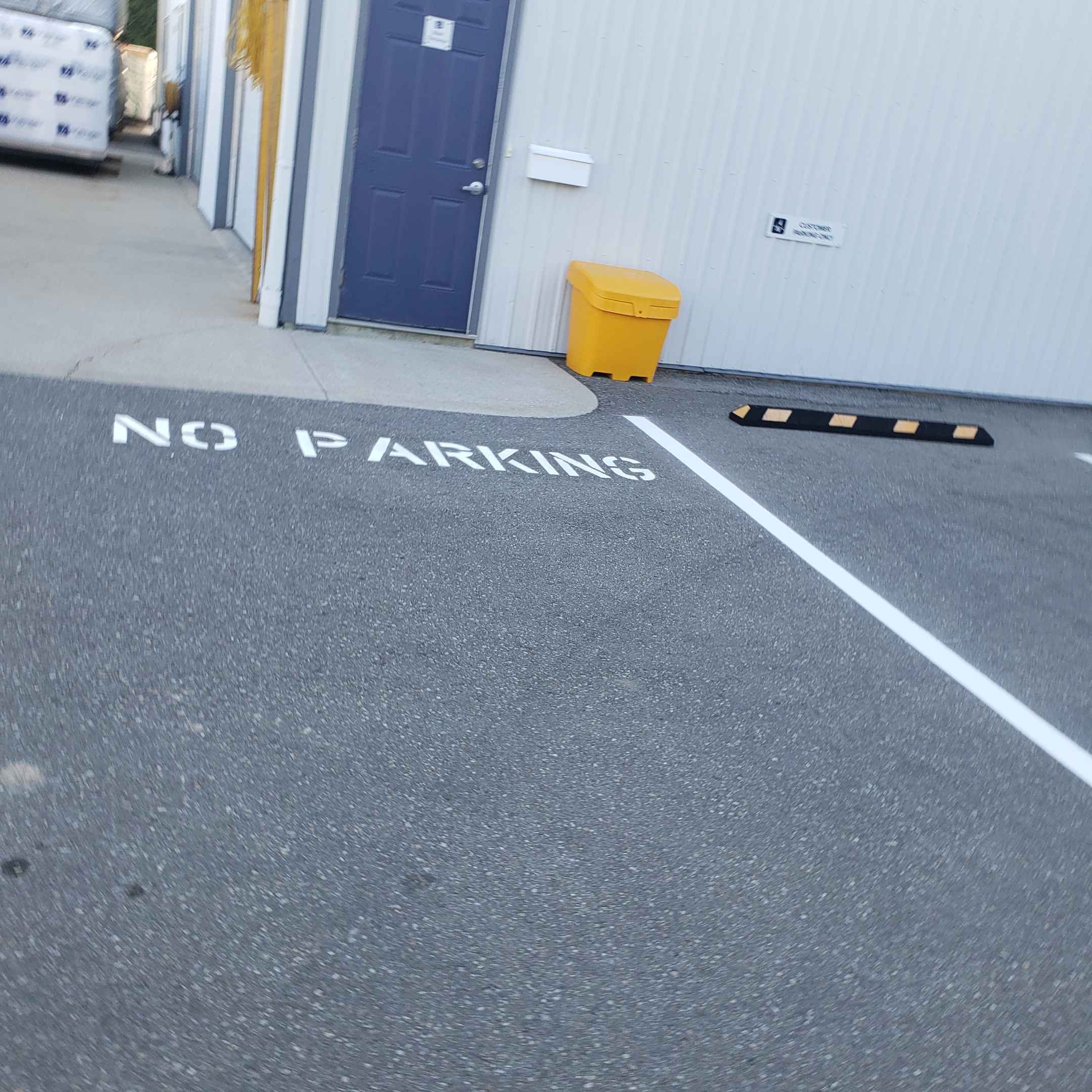
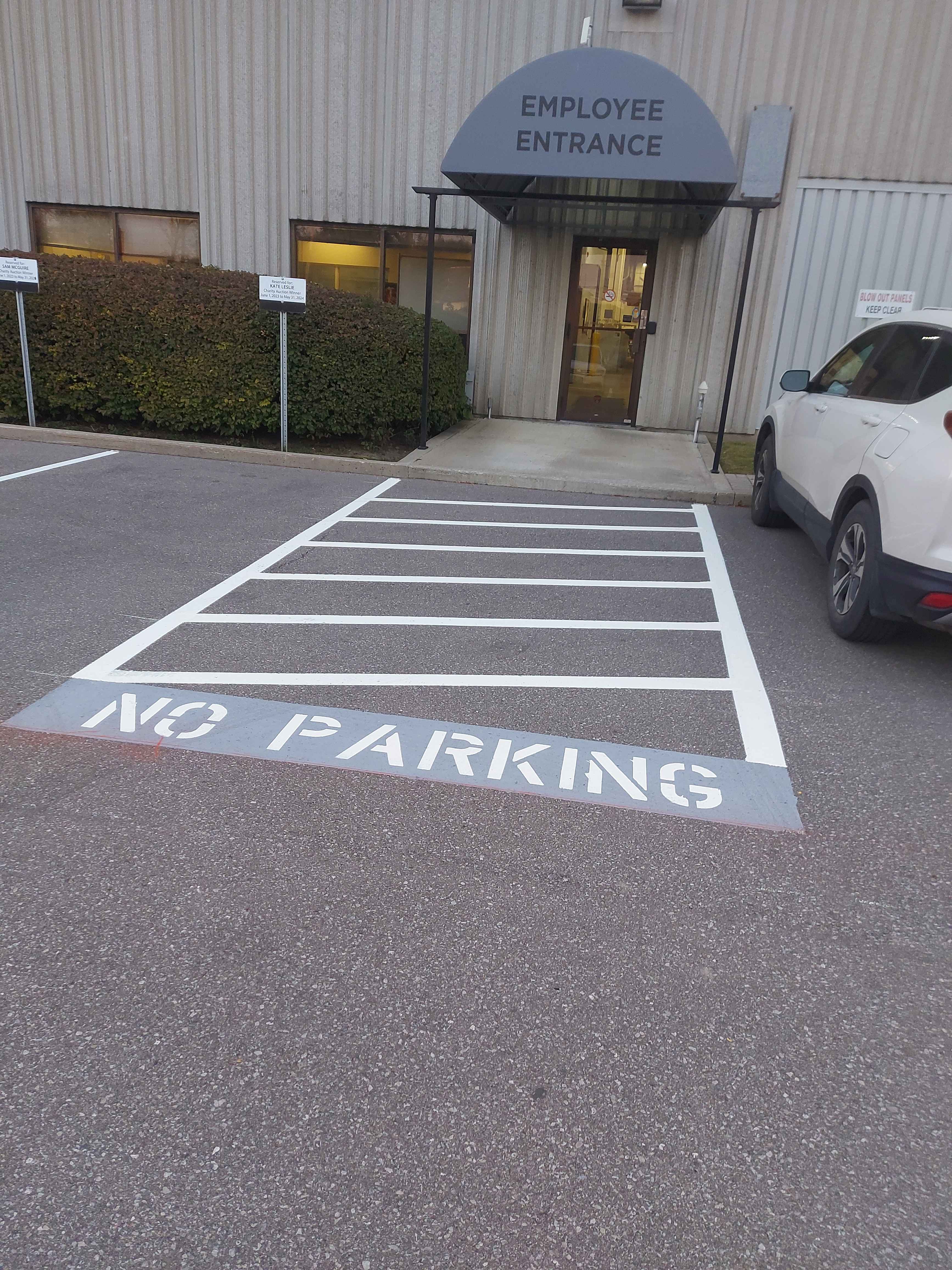
In busy metropolitan areas like Hamilton, a top 30 city in Ontario, parking lot congestion is a constant challenge. When parking stalls are faded, crooked, or poorly defined, it leads to inefficient space utilization and increased vehicle damage. High-quality line painting serves as the silent conductor of your lot's traffic flow.
Professional services like Capital Parking Lot Line Painting understand that line marking is not just about aesthetics. It is about liability reduction. Clear markings for pedestrian walkways, handicap accessibility, and directional arrows ensure that both drivers and pedestrians can navigate the space safely, reducing the risk of accidents and legal complications.
Key Factors for Long-Lasting Results
Not all line marking is created equal. In high-traffic environments, the constant friction from tires and exposure to the elements can quickly degrade inferior products. To ensure your investment lasts, consider these critical factors:
1. Surface Preparation is Paramount
The most common mistake in line painting is applying new material over dirt, oil, or loose debris. For a bond to occur, the asphalt or concrete must be meticulously cleaned. Capital Parking Lot Line Painting emphasizes that a clean surface is the foundation of durability. If the substrate isn't prepared, even the highest quality paint will peel within months.
2. Material Selection
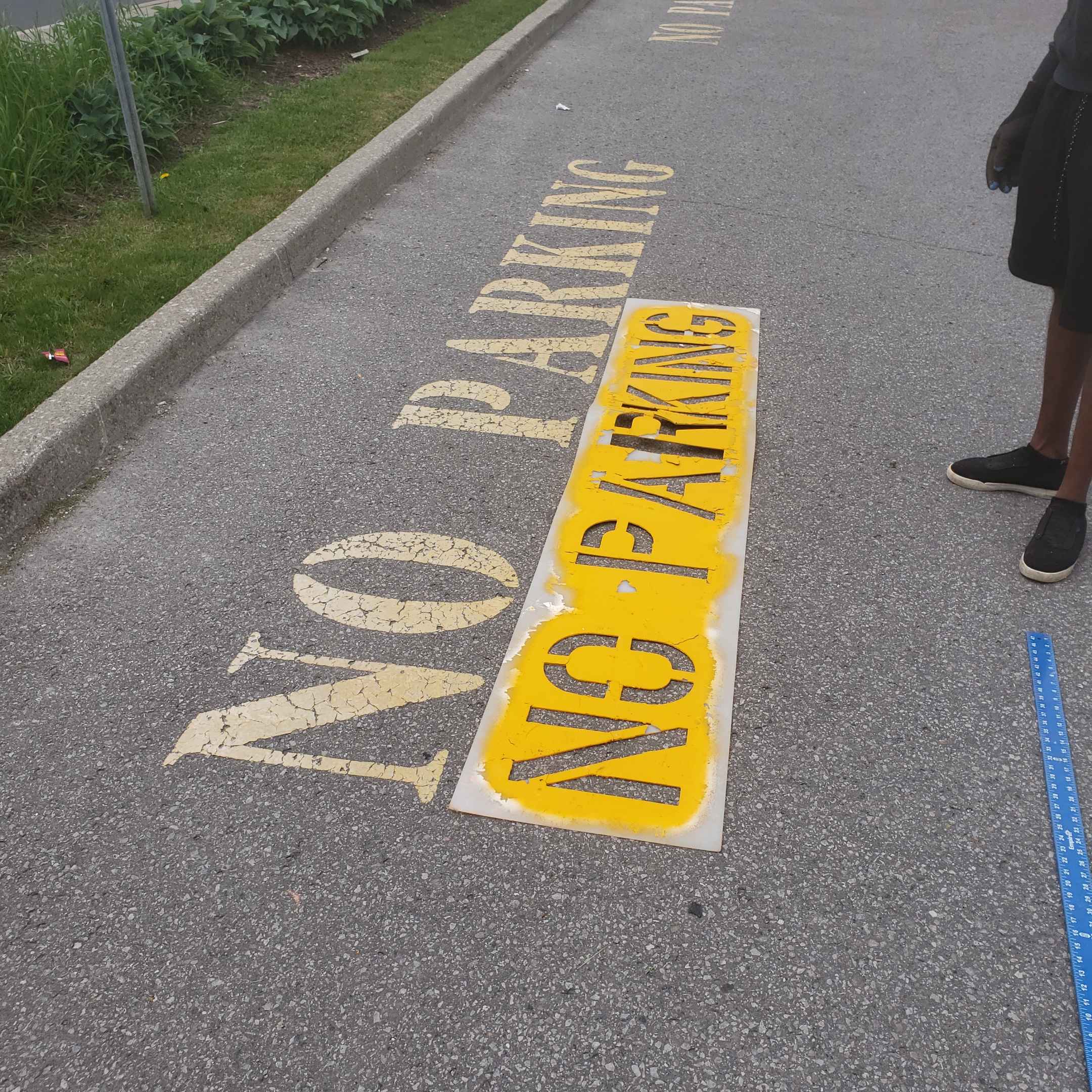
Depending on your lot's specific needs, you may choose between water-based paints or thermoplastic markings. Thermoplastic is often preferred for high-traffic areas due to its extreme durability and reflective properties, though high-grade acrylic paints are excellent for many commercial applications.
3. Environmental Conditions
Timing is everything. Painting in high humidity or during unexpected rainfall can compromise the curing process. Professionals monitor local weather patterns in Hamilton to ensure optimal temperature and dryness for application.
Common Mistakes to Avoid
Avoid these pitfalls to prevent unnecessary rework and safety hazards:
- Using low-grade, non-reflective paint that decreases nighttime visibility.
- Ignoring cracks and structural issues in the asphalt before painting.
- Improperly spaced markings that lead to "tight" parking and fender benders.
- Failing to update markings to comply with current accessibility regulations.
Optimizing Traffic Flow and Safety
A well-designed parking lot uses line marking to guide the eye and the vehicle. Beyond simple stall lines, consider implementing:
- Directional Arrows: Essential for preventing head-on collisions in one-way aisles.
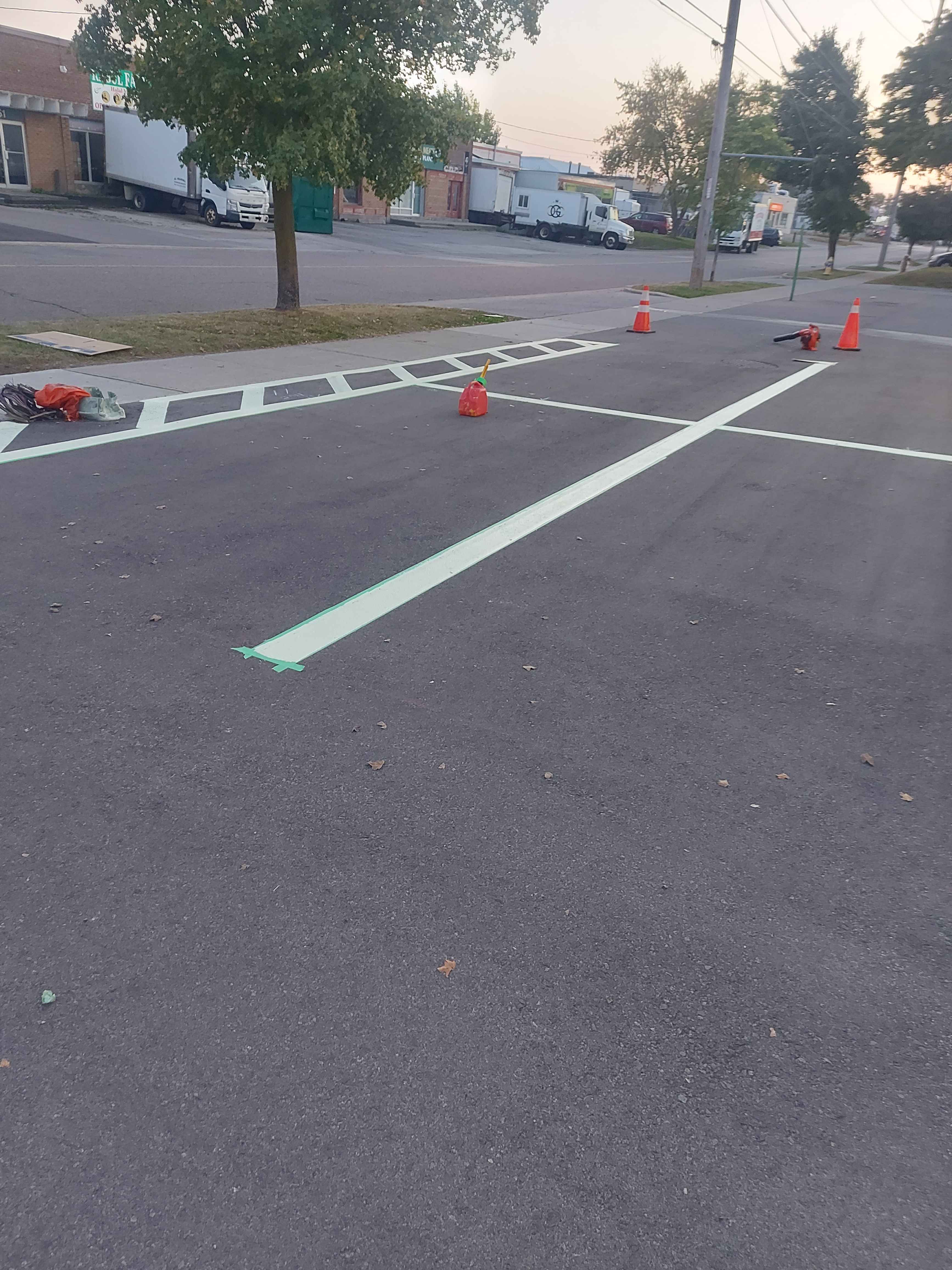
- Crosswalk Markings: High-visibility zones that protect pedestrians moving between vehicles and building entrances.
- Fire Lane Indicators: Critical for emergency access and regulatory compliance.
- Loading Zone Markings: Keeps commercial delivery areas clear of unauthorized passenger vehicles.
By working with experts like Capital Parking Lot Line Painting, you can design a layout that maximizes every square foot of your property while maintaining a safe environment for everyone.
Visual Reference