Line Painting Tips for High-Traffic Commercial Lots
Ensuring safety, compliance, and curb appeal in busy commercial environments through professional line marking strategies.
For business owners operating in bustling areas like Richmond Hill, a parking lot is more than just a place to leave a vehicle; it is the first impression your customers receive. In high-traffic environments, the constant friction of tires, exposure to weather elements, and heavy vehicle weight can quickly degrade standard markings. To maintain a professional appearance and ensure legal compliance, strategic line painting is essential.
At Capital Parking Lot Line Painting, we understand that commercial lots face unique pressures that residential driveways simply do not. This guide explores the technical nuances of professional line marking to help you maintain a safe and organized environment.
1. Prioritize High-Durability Materials
Not all paints are created equal. In a high-traffic setting, the choice of material can be the difference between markings that last years and markings that fade in months. When planning your next project, consider the following:
- Thermoplastic Markings: These are applied hot and bond aggressively to the pavement, making them ideal for high-wear zones.
- Traffic-Grade Acrylics: A versatile option that offers good visibility and flexibility for various weather conditions.
- Epoxy Coatings: Often used in indoor or structured parking garages where extreme durability and chemical resistance are required.
Choosing the right medium ensures that Capital Parking Lot Line Painting can deliver results that withstand the heavy turnover of vehicles typical in a top Ontario city.
2. The Importance of Surface Preparation
The secret to long-lasting line marking lies in what happens before the paint touches the ground. If you apply fresh paint over dirt, oil, or loose aggregate, the bond will fail almost immediately. Professional line painting requires a meticulous cleaning process.
Removing Contaminants
Oil spills are a common issue in commercial lots. These must be degreased thoroughly, as oil prevents paint adhesion. Furthermore, sweeping and high-pressure air blowing are necessary to remove fine dust that can act as a barrier between the substrate and the coating.
3. Precision and Compliance
In a busy municipality like Richmond Hill, parking lot layouts must adhere to strict accessibility and safety standards. Incorrectly placed handicap symbols or poorly defined pedestrian walkways can lead to liability issues.
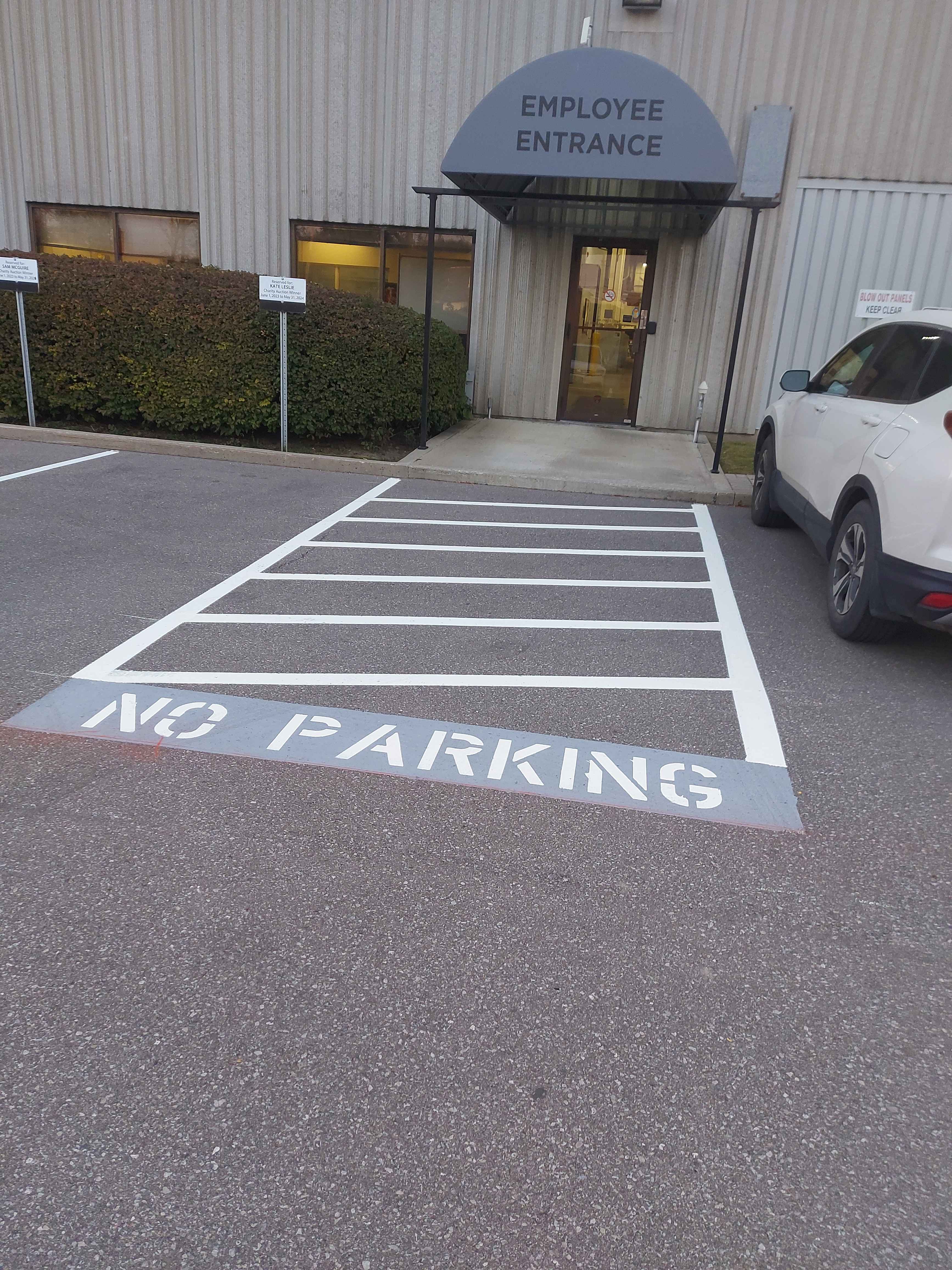
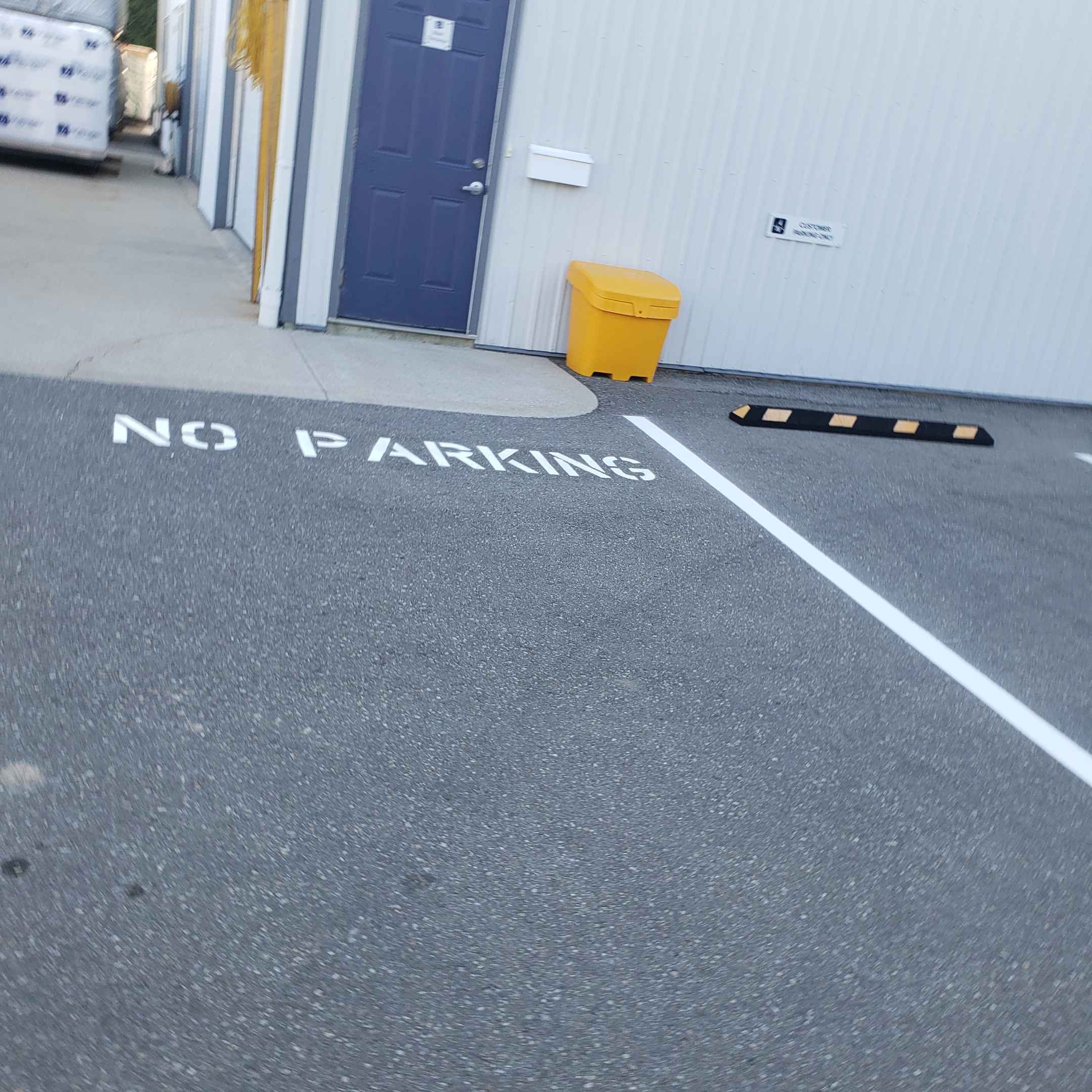
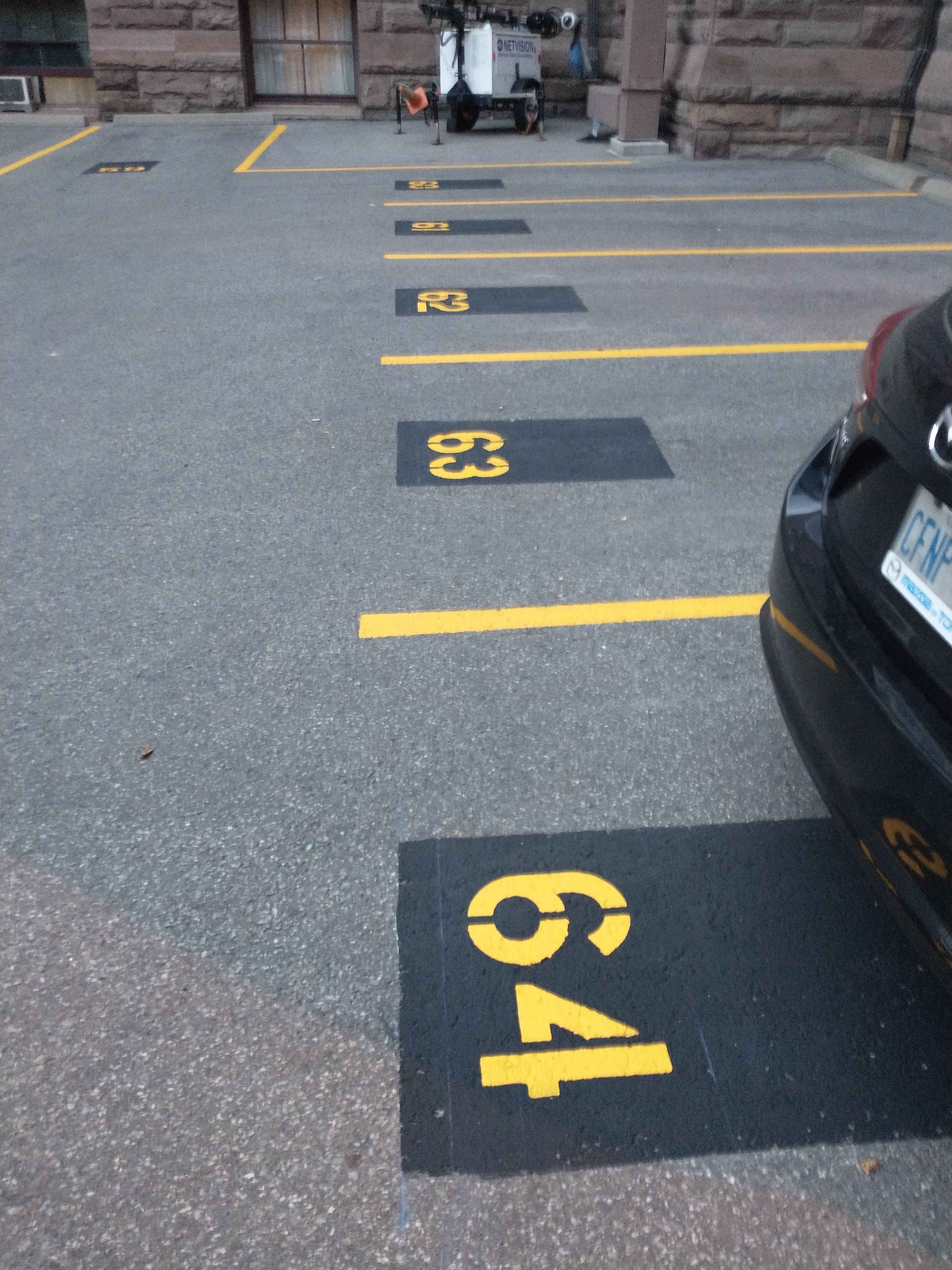
Precision line marking ensures that every stall, aisle, and directional arrow is placed according to local regulations. This precision not only aids in traffic flow but also maximizes the available space in your lot.
Common Mistakes to Avoid
Many property managers attempt to save time by overlooking certain steps, which leads to premature failure. Avoid these common pitfalls:
- Ignoring Weather Conditions: Painting during high humidity or immediately before rain can ruin the curing process.
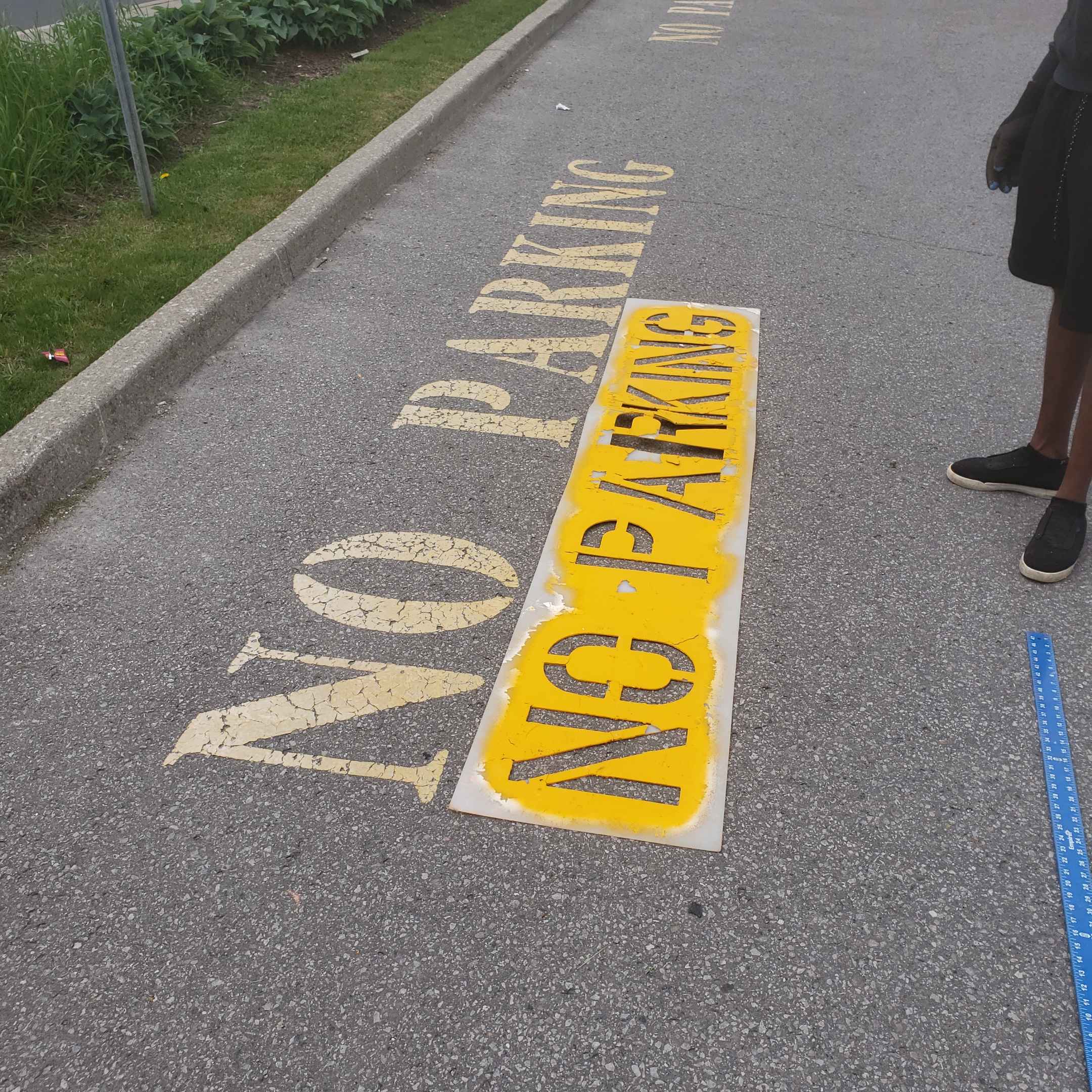
- Neglecting Layout Planning: Rushing into painting without a proper stencil or layout guide leads to crooked lines and wasted material.
- Using Low-Grade Paint: Attempting to use standard exterior house paint will result in rapid peeling under tire friction.
By partnering with experts like Capital Parking Lot Line Painting, you avoid these technical errors and ensure a seamless execution.
Conclusion
A well-maintained parking lot is an asset to any commercial property. By focusing on high-quality materials, thorough preparation, and professional precision, you can extend the life of your pavement and ensure a safe environment for all visitors. Whether you are managing a retail center or an industrial complex, investing in professional line marking is a decision that pays dividends in safety and aesthetics.