The Role of Pavement Marking in Traffic Conflict Reduction
Understanding the psychological and physical impact of visual road cues on driver behavior and safety.
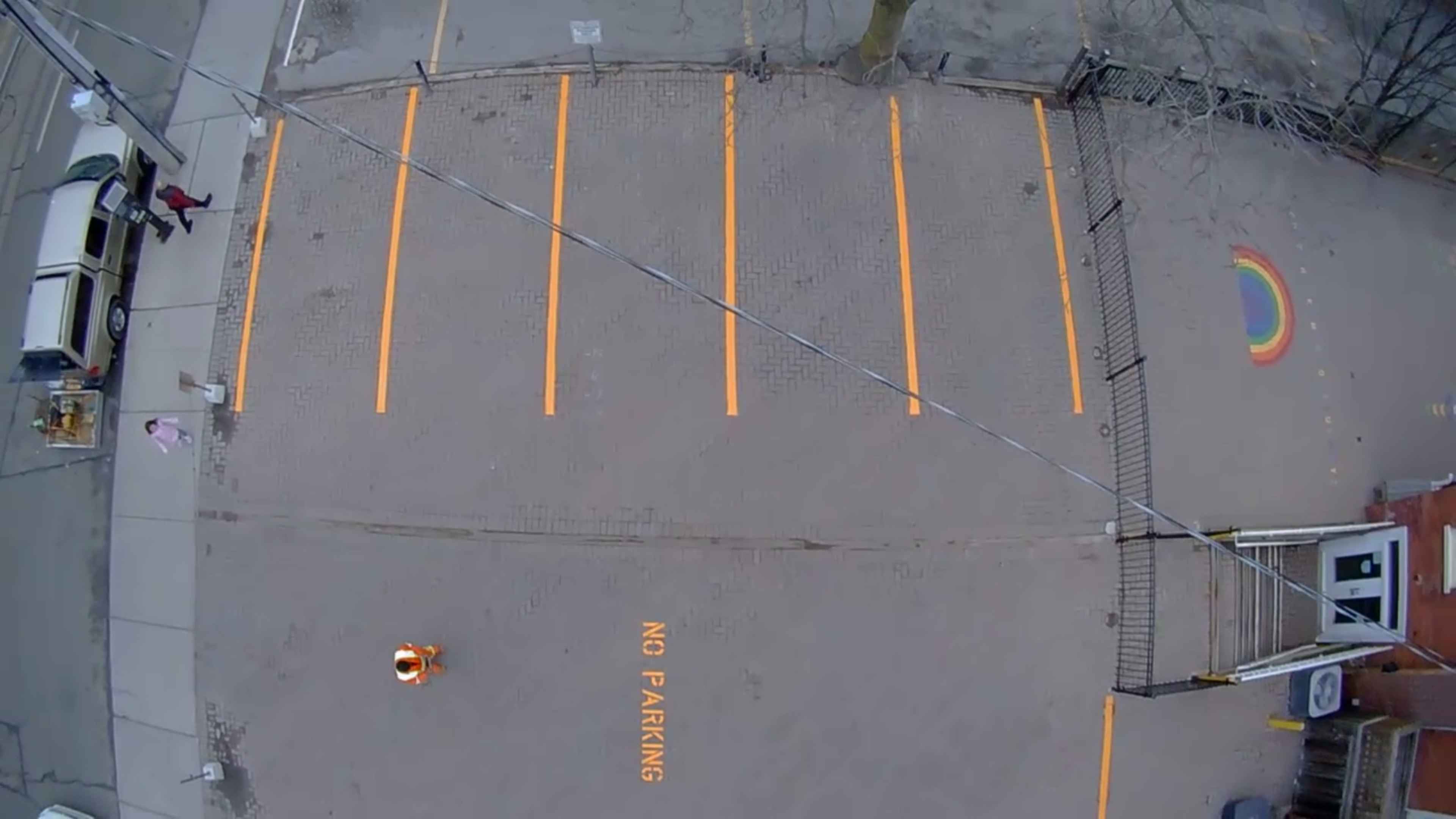
In the complex ecosystem of urban mobility, the difference between a smooth traffic flow and a catastrophic collision often comes down to a few inches of high-visibility pigment. Pavement marking is not merely an aesthetic choice for property owners; it is a fundamental component of traffic engineering designed to mitigate human error. When drivers encounter poorly defined lanes or faded boundaries, their cognitive load increases, leading to hesitation, erratic movements, and ultimately, traffic conflicts.
For growing communities like Ajax, a top 30 city in Ontario, managing the increasing density of vehicles requires more than just wide roads. It requires precise visual communication. This is where professional services like Capital Parking Lot Line Painting become essential partners in municipal and private safety management.
The Psychology of Visual Guidance
Human beings rely heavily on visual cues to navigate their environment. In a driving context, the brain processes lines, arrows, and symbols to make split-second decisions. When these markings are crisp and correctly placed, they provide a "silent language" that guides the driver without the need for constant signage or intervention.
Traffic conflict occurs when the intentions of two or more road users overlap in a dangerous way. By utilizing strategic line marking, we can delineate specific zones of movement, effectively separating pedestrians from vehicles and high-speed traffic from turning vehicles. This separation is the cornerstone of conflict reduction.
Key Functions of Effective Line Marking
Effective pavement marking serves several critical functions that work in tandem to stabilize traffic patterns:
- Channelization: Directing vehicles into specific paths to prevent sudden lane changes.
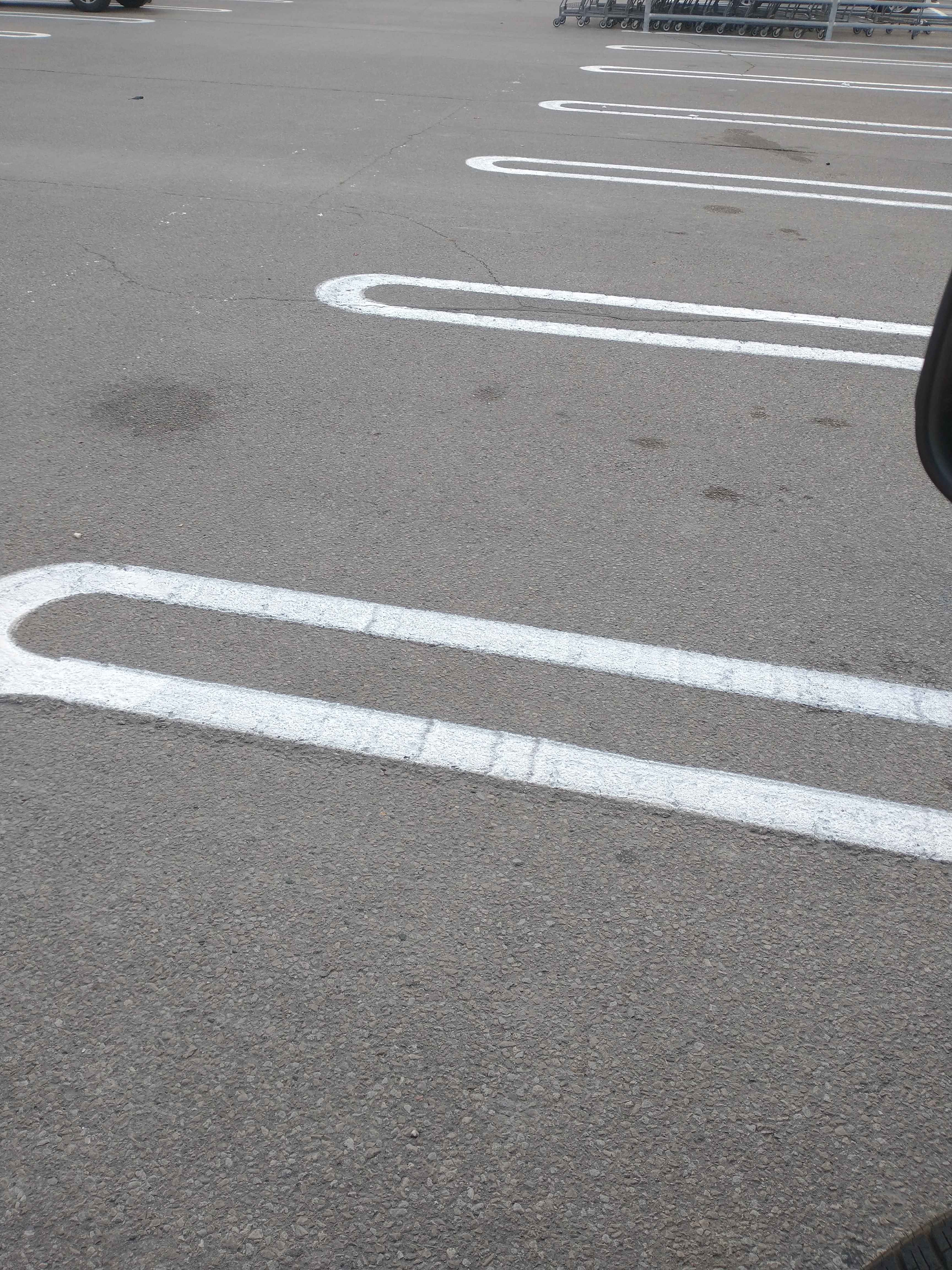
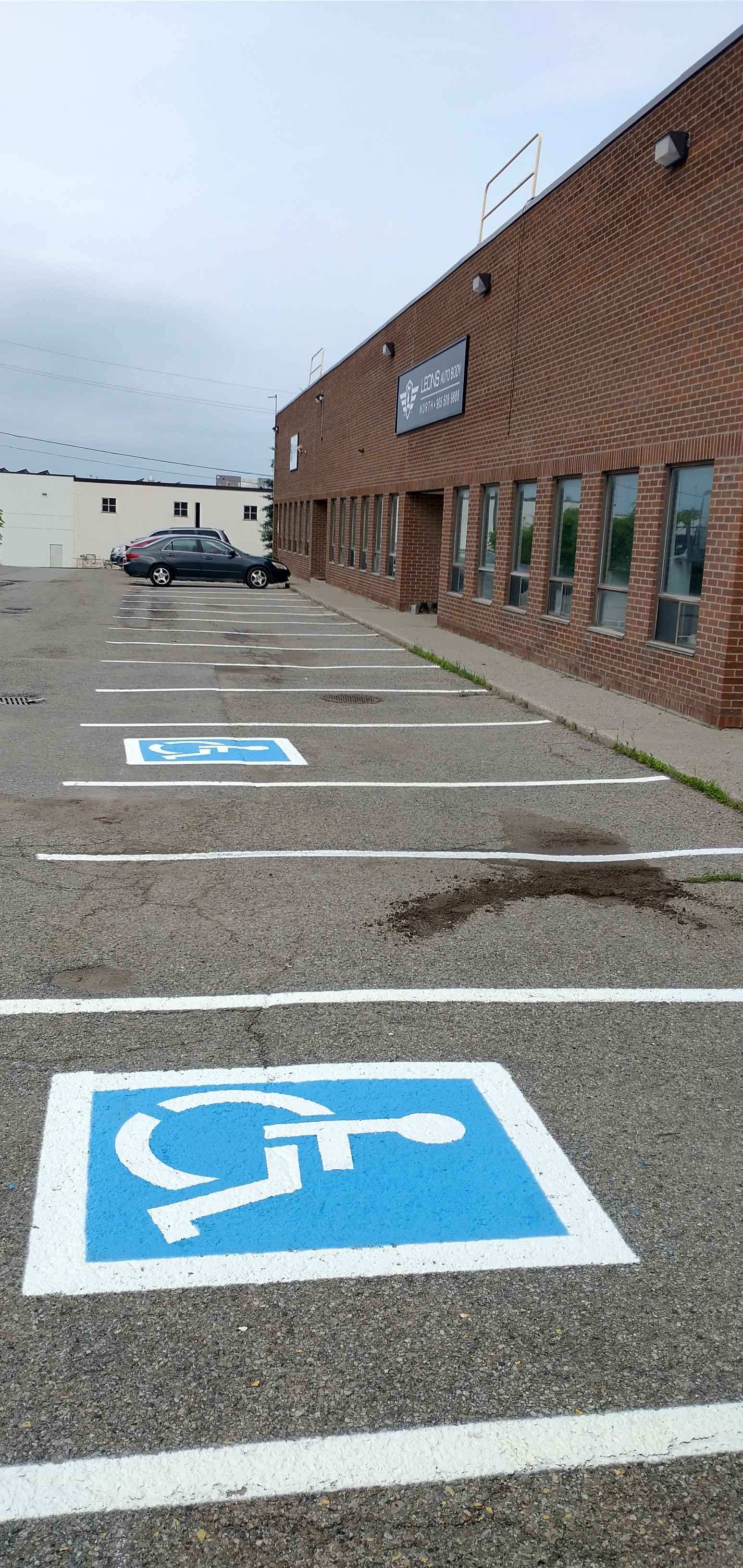
- Delineation: Clearly defining the edges of the roadway or parking stalls to prevent curb strikes and boundary confusion.
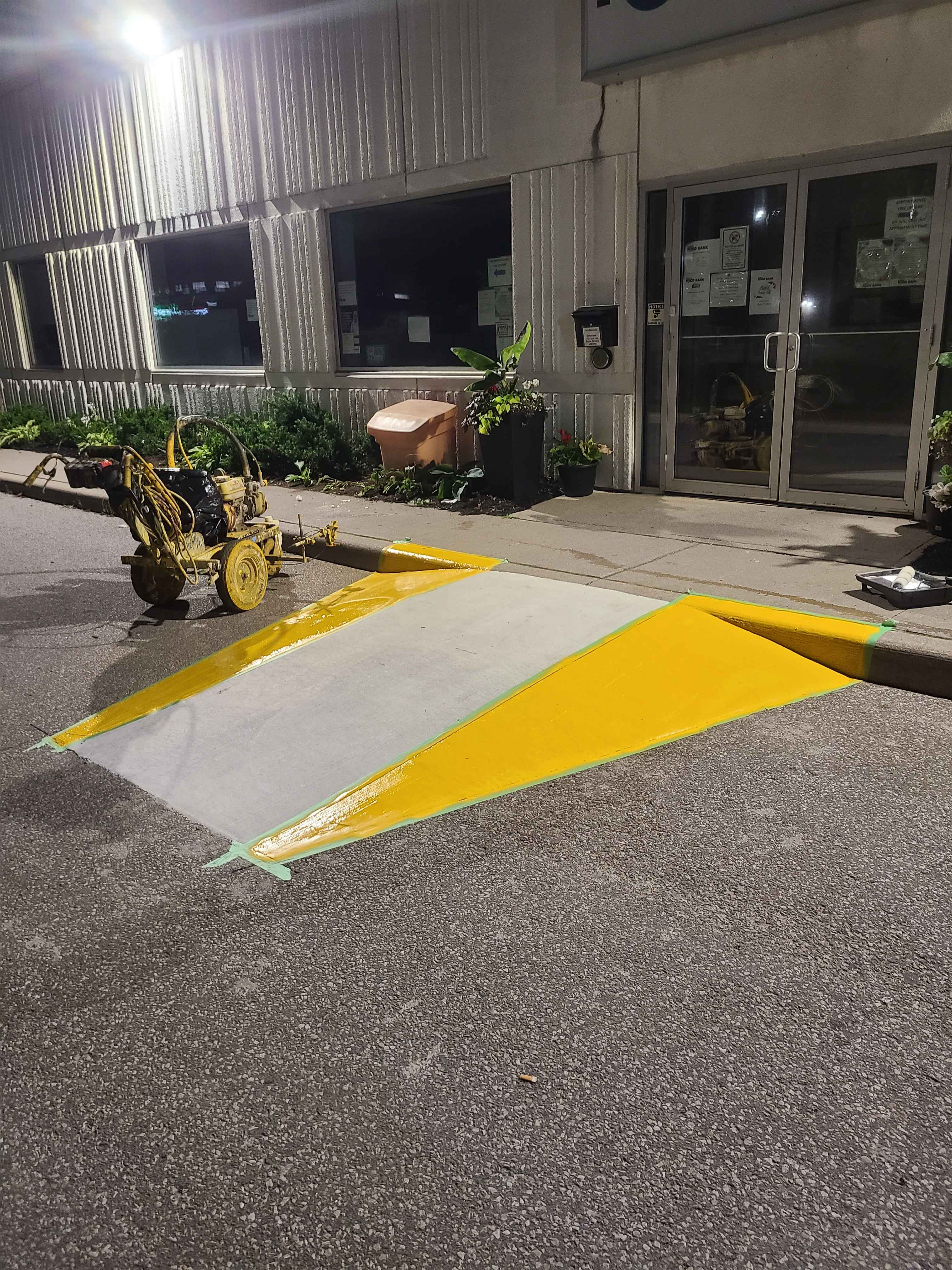
- Warning: Using specialized patterns to alert drivers to upcoming hazards, such as pedestrian crossings or merge points.
- Regulation: Communicating rules of the road, such as stop lines and directional arrows, through visual commands.
When these elements are neglected, the risk of accidents skyrockets. This is why Capital Parking Lot Line Painting emphasizes the use of high-durability materials that maintain visibility even under heavy weather conditions.
Mitigating Conflict in High-Density Areas
In high-traffic areas such as Ajax, the intersection of commercial parking lots and public streets creates unique safety challenges. Pedestrians, cyclists, and motorists all compete for the same space. Without clearly painted walkways and designated loading zones, the likelihood of a pedestrian-vehicle conflict increases significantly.
Strategic line painting helps to "compartmentalize" these different types of users. For example, a well-marked pedestrian crosswalk acts as a psychological barrier, prompting motorists to slow down and yield, whereas a faded or non-existent marking may lead to drivers ignoring pedestrian right-of-way.
Common Mistakes in Pavement Maintenance
Many property managers overlook the importance of regular maintenance, assuming that as long as a line is "visible," it is doing its job. However, there is a significant difference between visibility and effectiveness. Common mistakes include:
Faded Reflectivity: As paint wears down, it loses its ability to reflect light at night, making markings invisible during low-light hours.
Incorrect Geometry: Using improper angles or widths that do not align with standard traffic safety protocols.
To avoid these pitfalls, relying on experts like Capital Parking Lot Line Painting ensures that your markings meet both safety standards and durability requirements.
Visual Summary
Regularly scheduled line marking is an investment in risk management. Clearer lines mean fewer accidents, lower liability, and a safer environment for everyone.