Planning Pavement Marking Around Peak Facility Hours
Effective facility management requires a proactive approach to maintenance, ensuring that safety and accessibility are never compromised by necessary upgrades.
The Challenge of Timing Maintenance
For any high-traffic facility—be it a retail complex, a hospital, or a municipal building—the parking lot is the first point of contact for visitors. When the lines that guide traffic, designate handicap stalls, and mark loading zones begin to fade, the safety and organization of the entire site are at risk. However, scheduling the necessary line marking can present a significant logistical challenge.
If you attempt to perform maintenance during peak hours, you risk creating congestion, frustrating customers, and potentially creating liability issues. Conversely, waiting too long can lead to chaotic parking patterns that impede your daily operations. This is why working with a professional team like Capital Parking Lot Line Painting is essential to finding that perfect window of opportunity.
Identifying Your Peak Hours
Before contacting a service provider, facility managers must conduct a thorough audit of their site's traffic patterns. In a growing hub like Sarnia, local businesses often experience predictable surges in activity. Understanding these cycles is the first step in successful project planning.
Key Factors to Consider:
- Customer Arrival Cycles: When are your peak entry and exit times?
- Staff Shift Changes: Do large groups of employees arrive or depart simultaneously?
- Delivery Windows: When do heavy freight vehicles require access to loading zones?
- Local Events: Are there nearby community gatherings in Sarnia that increase regional traffic?
Strategic Scheduling Strategies
Once you have identified your high-traffic periods, you can begin to map out a maintenance schedule. There are generally three approaches to scheduling line painting without disrupting your core business functions.
1. Off-Peak Daytime Operations
Many facilities have "lulls" during the mid-morning or mid-afternoon. If your peak hours are the morning rush and the evening commute, there may be a three-to-four-hour window where line marking can occur with minimal impact. This approach is often preferred for its safety benefits, as daylight allows for high visibility and precision.
2. Night and Weekend Shifts
For facilities that operate 24/7, such as medical centers or large distribution hubs, the only viable option is often after-hours work. While this requires more coordination, it ensures that the parking lot is completely clear, allowing Capital Parking Lot Line Painting to work with maximum efficiency and zero interference from moving vehicles.
3. Phased Sectional Painting
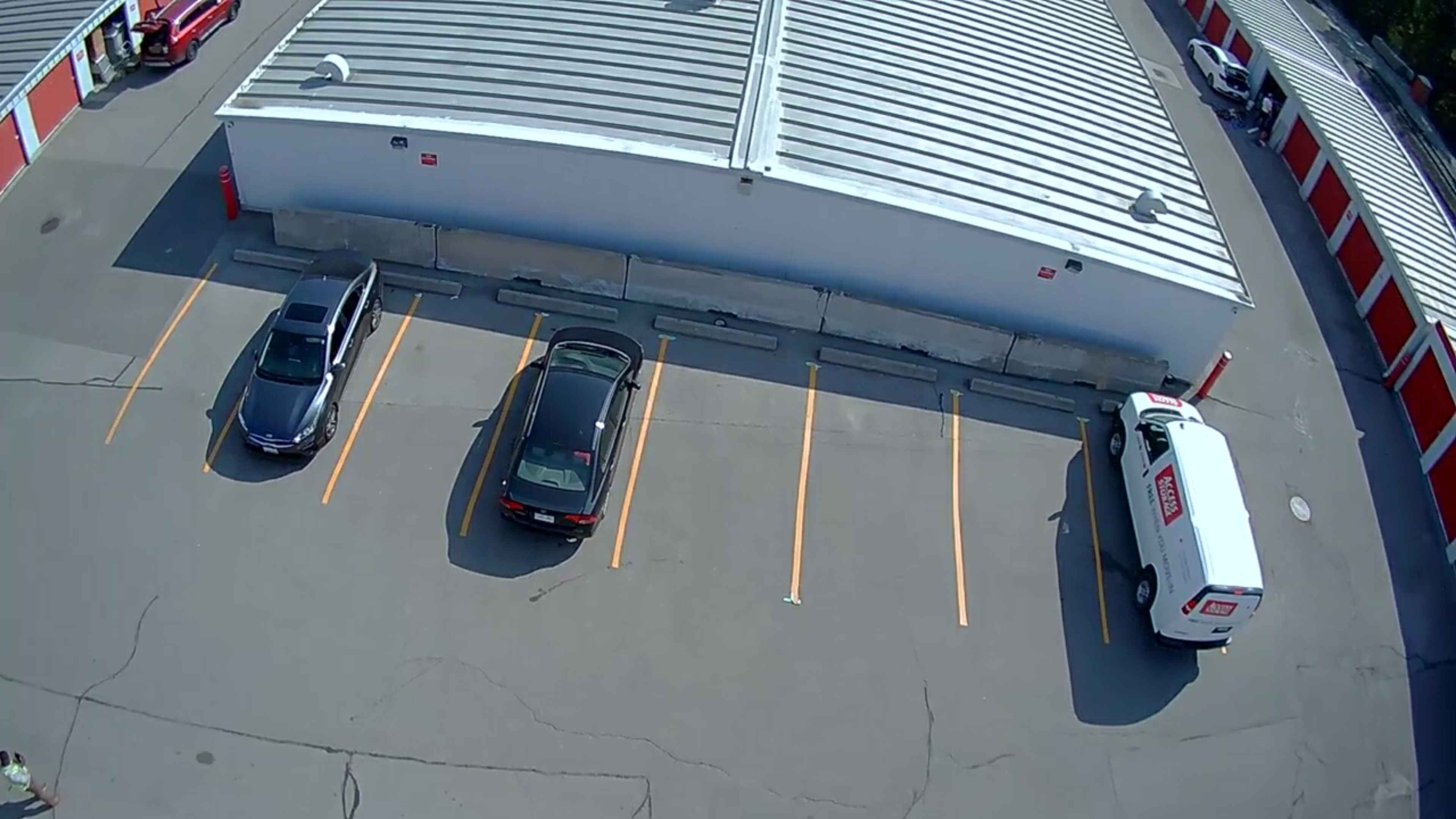
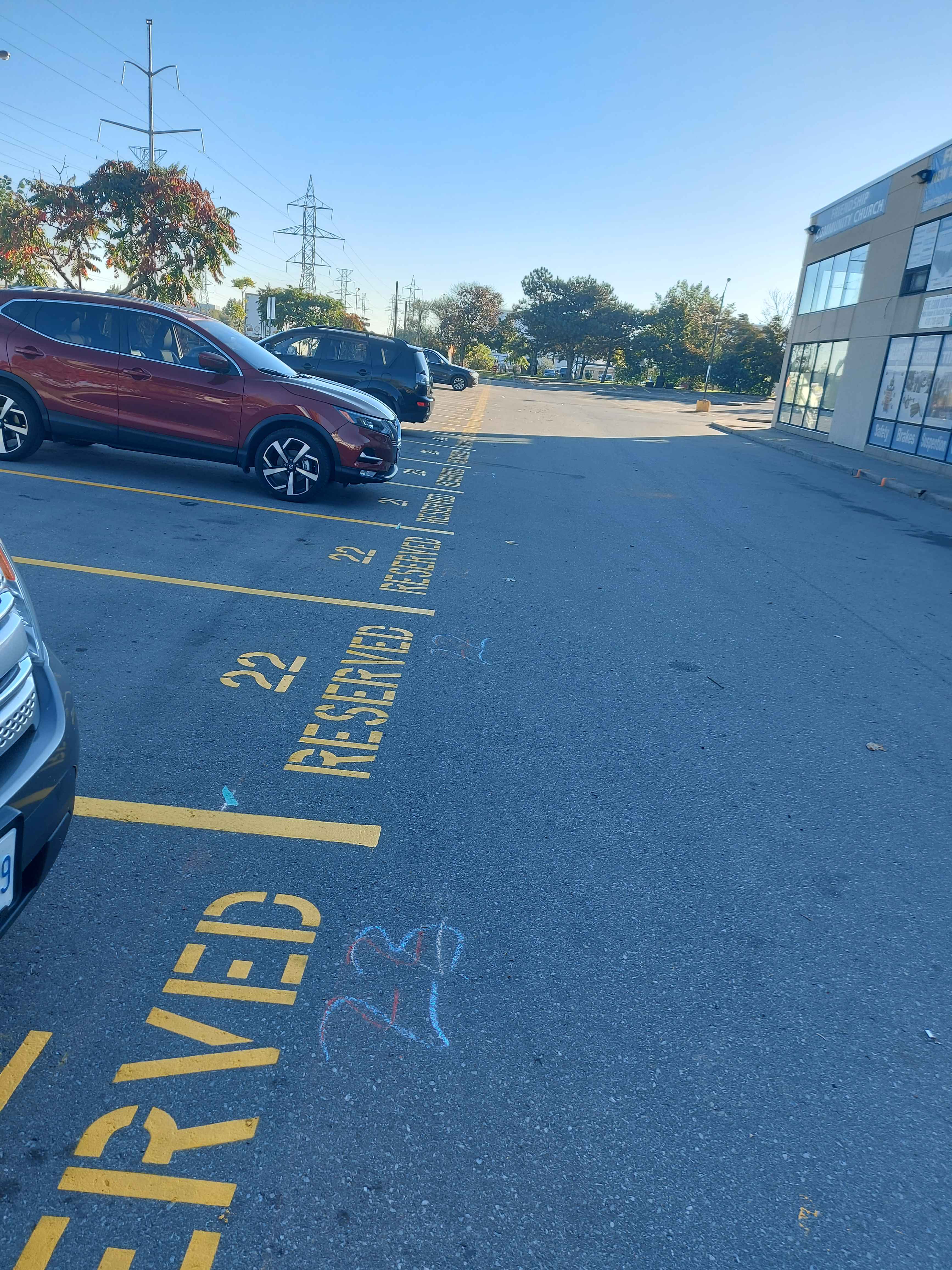
If a full-lot refresh is required, consider a phased approach. By dividing the lot into zones, you can keep 75% of the parking available while the other 25% is undergoing line marking. This keeps the facility operational while steadily improving the site's aesthetics and safety.
Why Professional Execution Matters
It is tempting to view line marking as a simple task, but the complexity lies in the preparation and the drying times. A professional crew understands that the work isn't just about applying paint; it's about managing the environment. Capital Parking Lot Line Painting specializes in navigating these complexities, ensuring that the markings are durable and that the site is returned to service as quickly as possible.
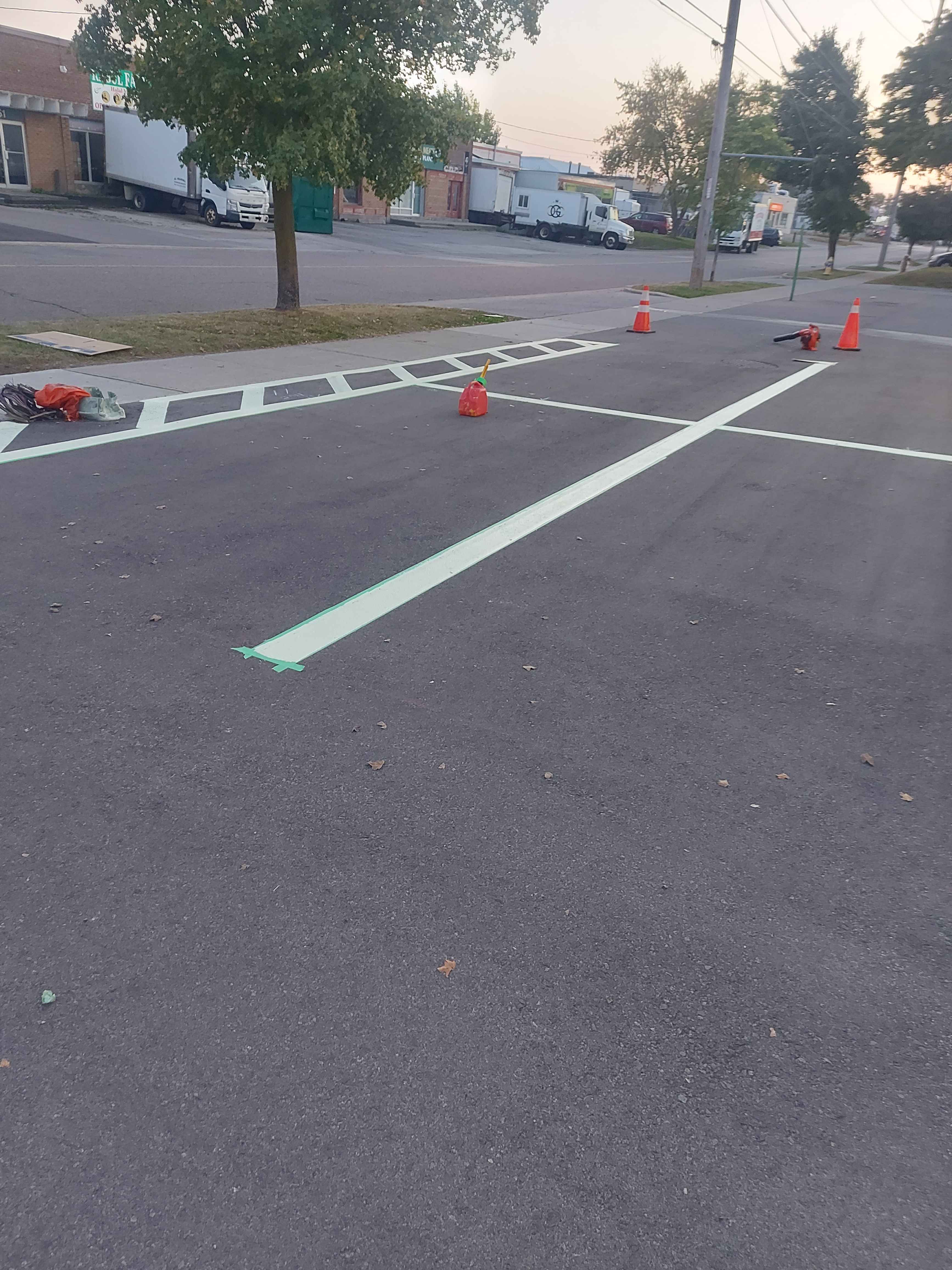
Improperly timed work can lead to "tracking," where vehicles drive over wet paint, ruining the new lines and creating a mess. By coordinating closely with your facility's management, you ensure that the transition from construction to active use is seamless.
Ready to Refresh Your Facility?
Don't let faded lines compromise your facility's safety. Plan your next maintenance project with a team that respects your operational needs and delivers high-quality results.