What Equipment Is Used for Professional Crackfilling?
Understanding the technical tools behind high-quality asphalt maintenance and pavement preservation.
Asphalt pavement is a resilient material, but it is not invincible. Over time, the expansion and contraction caused by seasonal temperature shifts, heavy vehicle loads, and water infiltration create cracks. If left untreated, these small fissures quickly evolve into potholes and structural failures. This is where professional crackfilling becomes essential. At Capital Parking Lot Line Painting, we understand that the quality of the repair is directly tied to the quality of the equipment used.
In a growing hub like Oakville, where commercial parking lots face constant wear and tear, maintaining the integrity of the surface is a priority for property managers. To achieve a seamless, long-lasting seal, professionals rely on a specific suite of specialized machinery and materials.
The Core Equipment: Melting and Application
Professional crackfilling is not as simple as pouring liquid into a gap. The goal is to achieve a deep, thermal bond between the sealant and the asphalt. This requires heat.
1. Melter/Applicators
The heart of any crackfilling operation is the melter/applicator. This is a specialized tank equipped with a heating element that keeps the rubberized sealant in a liquid state. Unlike DIY solutions, professional-grade melters allow for precise temperature control. If the sealant is too cool, it won't penetrate the crack; if it is too hot, the material may degrade. Capital Parking Lot Line Painting utilizes high-performance applicators to ensure the sealant reaches the full depth of the fissure.
2. High-Quality Rubberized Sealants
While technically a material, the type of sealant used is determined by the equipment's capability. Professionals use hot-applied, polymer-modified rubberized asphalt. This material remains flexible even in the harsh Ontario winters, allowing the crack to expand and contract without breaking the seal.
Preparation Tools: The Key to Longevity
The most common mistake in pavement maintenance is applying sealant over dirt or debris. For a professional finish, the crack must be surgically clean. This requires a specific set of preparation tools.
- Air Compressors: High-pressure air is used to blow out dust, loose aggregate, and moisture from deep within the crack.
- Wire Brushes and Crack Cleaning Tools: Manual or mechanical brushes help loosen stubborn debris that air alone cannot move.
- Heat Lancers: In some cases, a heat lance is used to dry out moisture within the crack, ensuring the sealant adheres to the asphalt rather than to water.
Precision and Finishing
Once the sealant is applied, the job isn't quite done. Achieving a flush, aesthetic finish is what separates a professional job from an amateur one. This is especially important for commercial properties in Oakville where curb appeal is a business necessity.
Squeegees and Finishing Tools
After the molten sealant is poured, technicians use specialized squeegees to level the material. This ensures the sealant is flush with the pavement surface, preventing trip hazards and ensuring that vehicle tires do not catch the edge of the repair. This precision is a hallmark of the work performed by Capital Parking Lot Line Painting.
Integration with Line Marking
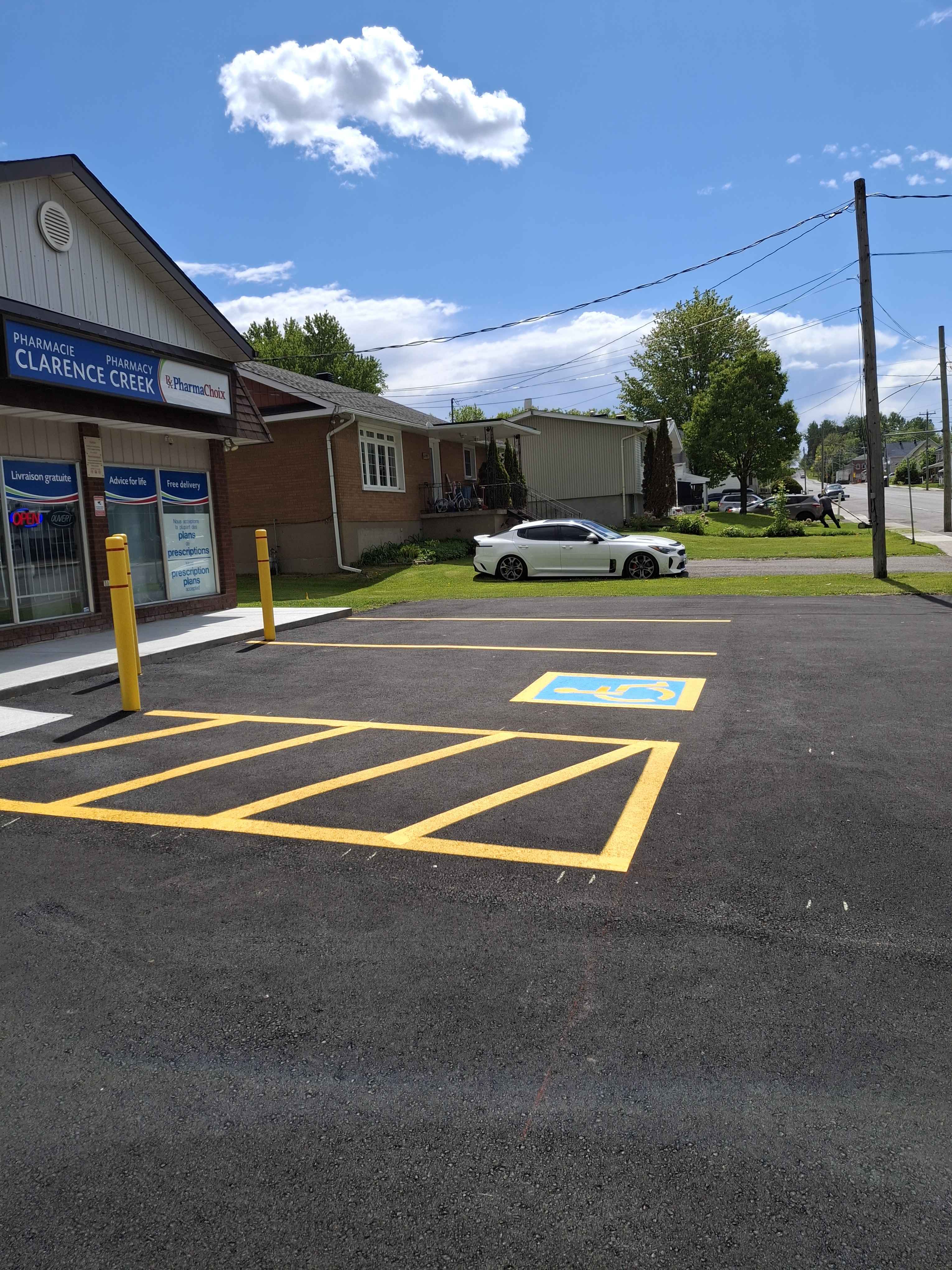
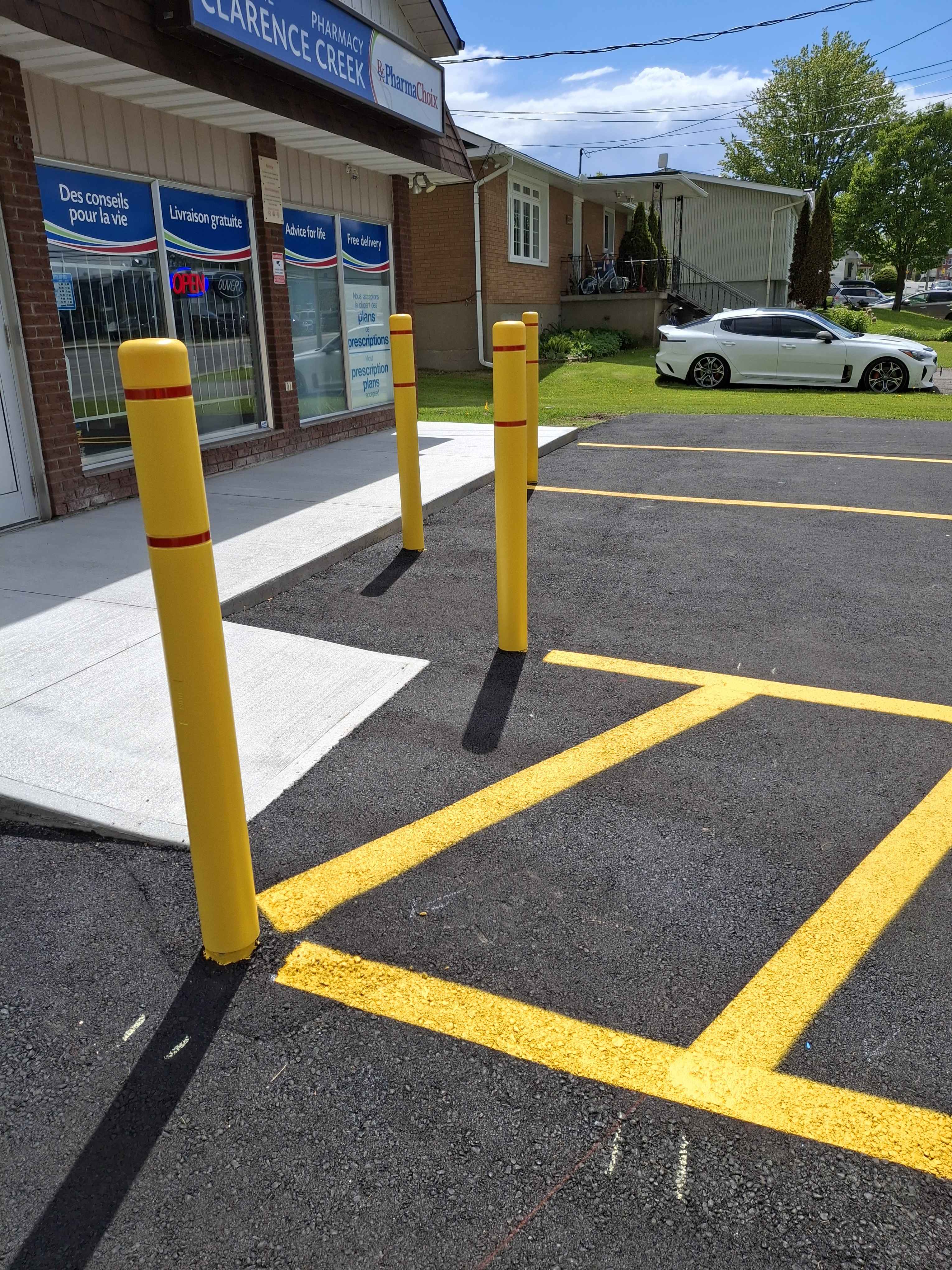
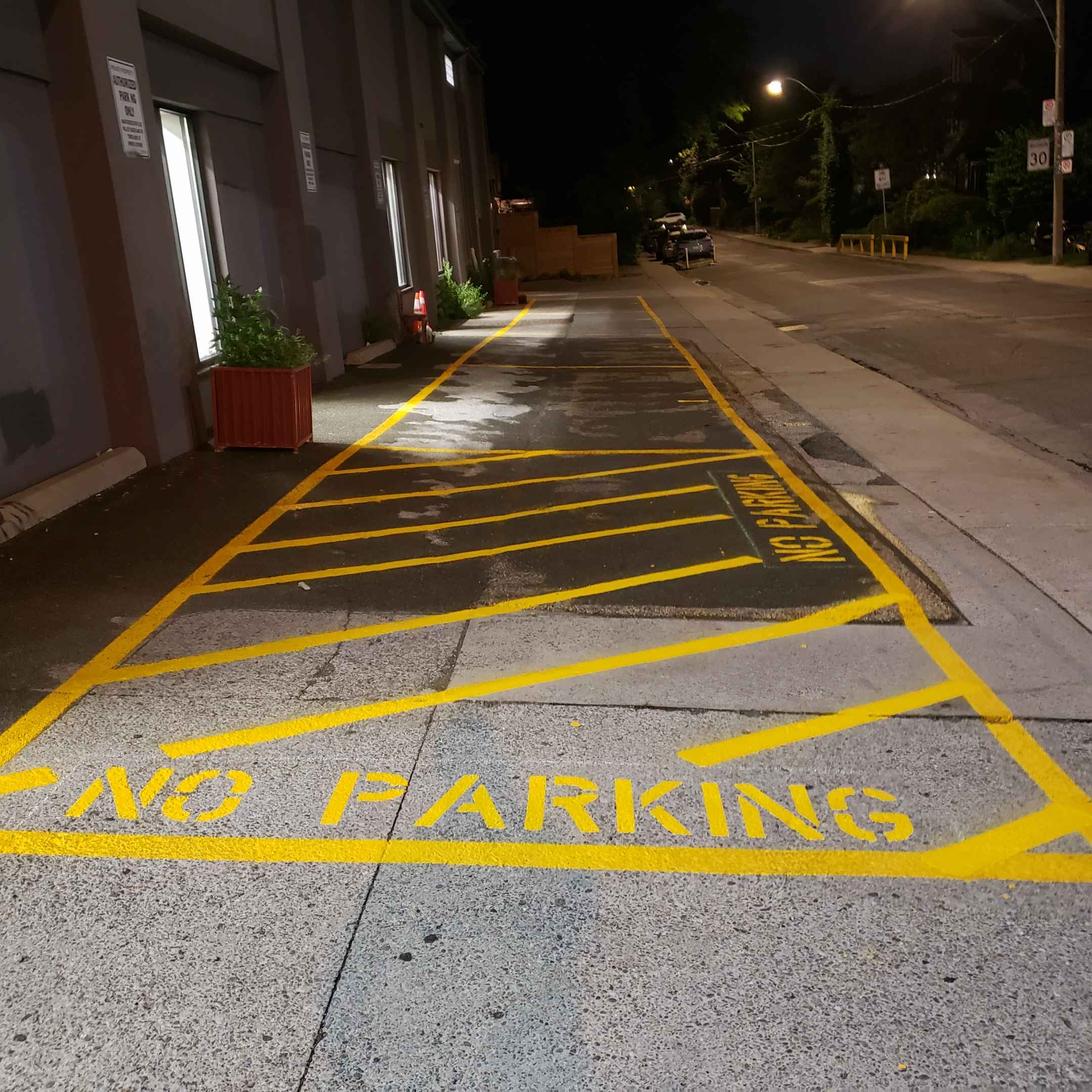
After the crackfilling process has cured, the next step in lot maintenance often involves Line Marking. Once the structural integrity is restored through crackfilling, fresh Line Painting can be applied to define parking stalls, handicap zones, and traffic flow. Combining these two services ensures a complete rejuvenation of the asphalt surface.
Summary of Professional Standards
Professional crackfilling requires a synergy of heat, pressure, and precision. By using industrial-grade melters, high-pressure air compressors, and polymer-modified sealants, companies can extend the life of an asphalt lot by years. Don't settle for temporary fixes; invest in equipment-driven results.
Conclusion
Maintaining an asphalt surface is a technical endeavor. From the initial cleaning with compressed air to the final application of hot-applied rubberized sealant, every step requires specialized equipment. When you choose a professional service, you aren't just paying for the material; you are paying for the advanced machinery and expertise that ensures the repair lasts through the seasons.