Why Routine Crack Inspections Should be on Your Calendar
Protecting your asphalt investment starts with seeing what others miss. Learn how proactive inspections save money and stress.
For property managers and business owners, an asphalt parking lot is more than just a place to park cars; it is the first impression your facility makes on every client, employee, and visitor. However, asphalt is a living, breathing material that reacts to the elements. In a climate like ours, where seasons shift dramatically, the integrity of your pavement is constantly under siege.
At Capital Parking Lot Line Painting, we have seen firsthand how a tiny hairline fracture can evolve into a massive pothole if left unaddressed. This is why we advocate for routine crack inspections—not just as a maintenance task, but as a critical component of your long-term property management strategy.
The Science of Asphalt Decay
Asphalt is a flexible pavement, but it is not invincible. It is subject to oxidation, UV damage, and, most significantly, thermal expansion and contraction. In cities like St. Catharines, our pavement endures intense freeze-thaw cycles. When water enters a small crack, it freezes and expands, exerting immense pressure from within the pavement structure.
If you aren't performing regular inspections, you are essentially playing a game of chance with your infrastructure. What begins as a surface-level crack can quickly become a structural failure, leading to base instability and eventual total pavement collapse.
The Benefits of Proactive Inspection
Scheduling a professional assessment with Capital Parking Lot Line Painting offers several advantages that go far beyond simply finding holes in the ground. By being proactive, you gain control over your facility's future.
- Cost Mitigation: Identifying a crack early allows for simple crack filling, which is significantly more affordable than a full asphalt overlay or replacement.
- Enhanced Safety: Large cracks and potholes are tripping hazards for pedestrians and can cause damage to customer vehicles, leading to potential liability issues.
- Extended Asset Life: Regular maintenance keeps moisture out of the sub-base, effectively doubling or even tripling the lifespan of your parking lot.
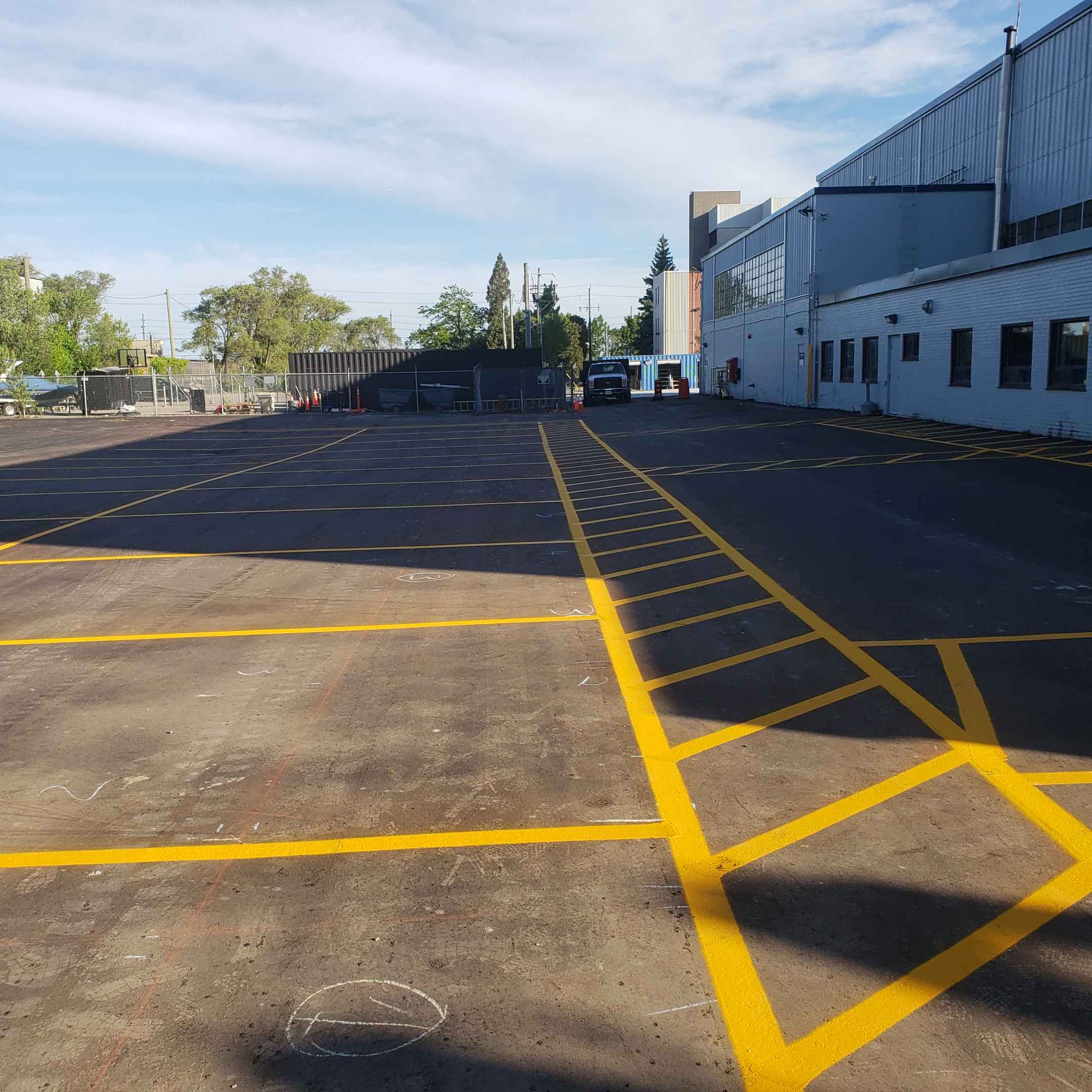
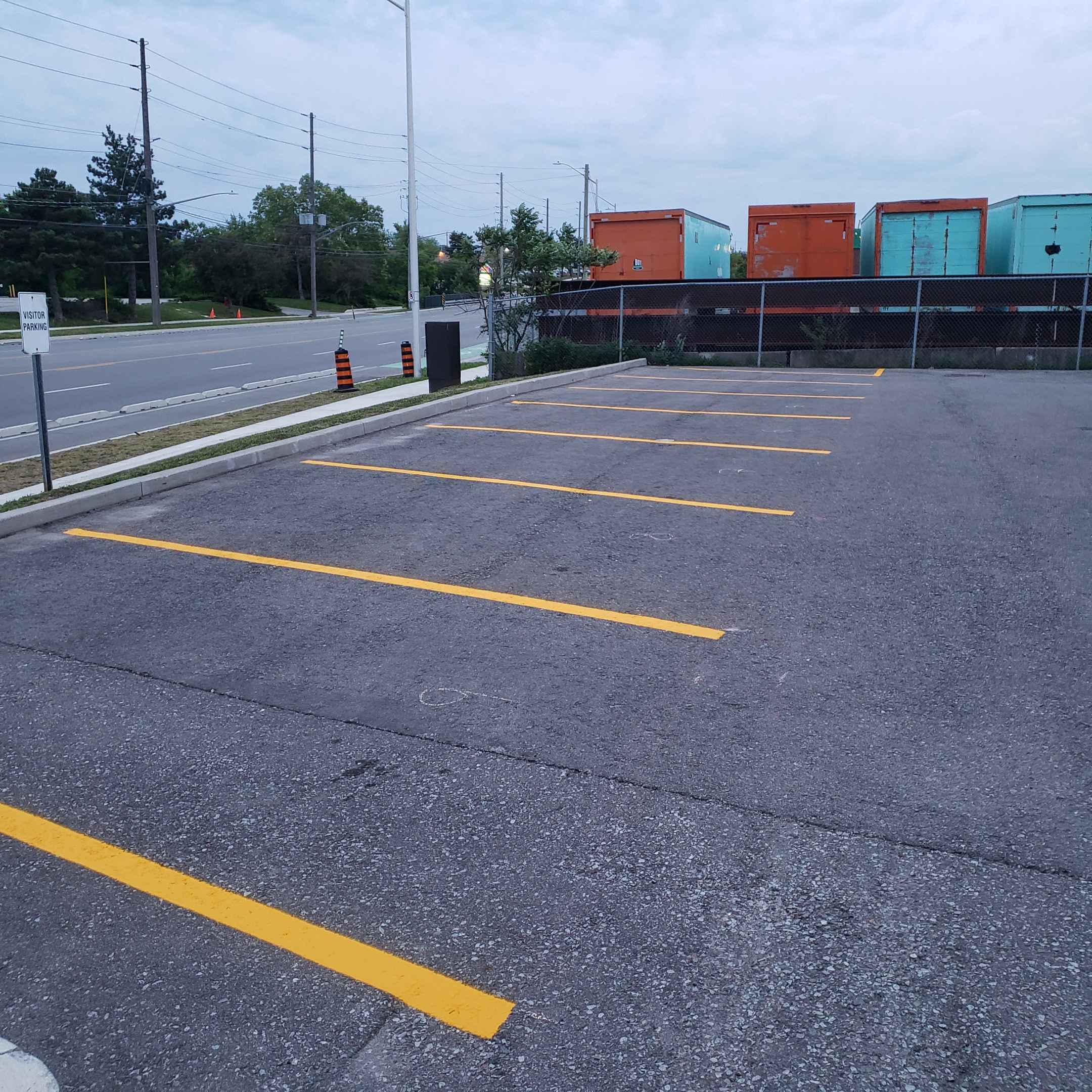
- Aesthetic Consistency: A well-maintained lot paired with fresh Line Marking ensures your business looks professional and well-cared-for.
Common Mistakes in Parking Lot Management
Many property owners in St. Catharines fall into the trap of "reactive maintenance." This is the philosophy of waiting until something breaks before calling for help. While this might seem like a way to save money in the short term, it is actually one of the most expensive ways to manage property.
1. Ignoring Small Cracks
A crack that is barely visible to the naked eye can still be deep enough to allow water infiltration. By the time you can see the damage clearly, the foundation may already be compromised.
2. Neglecting Line Marking
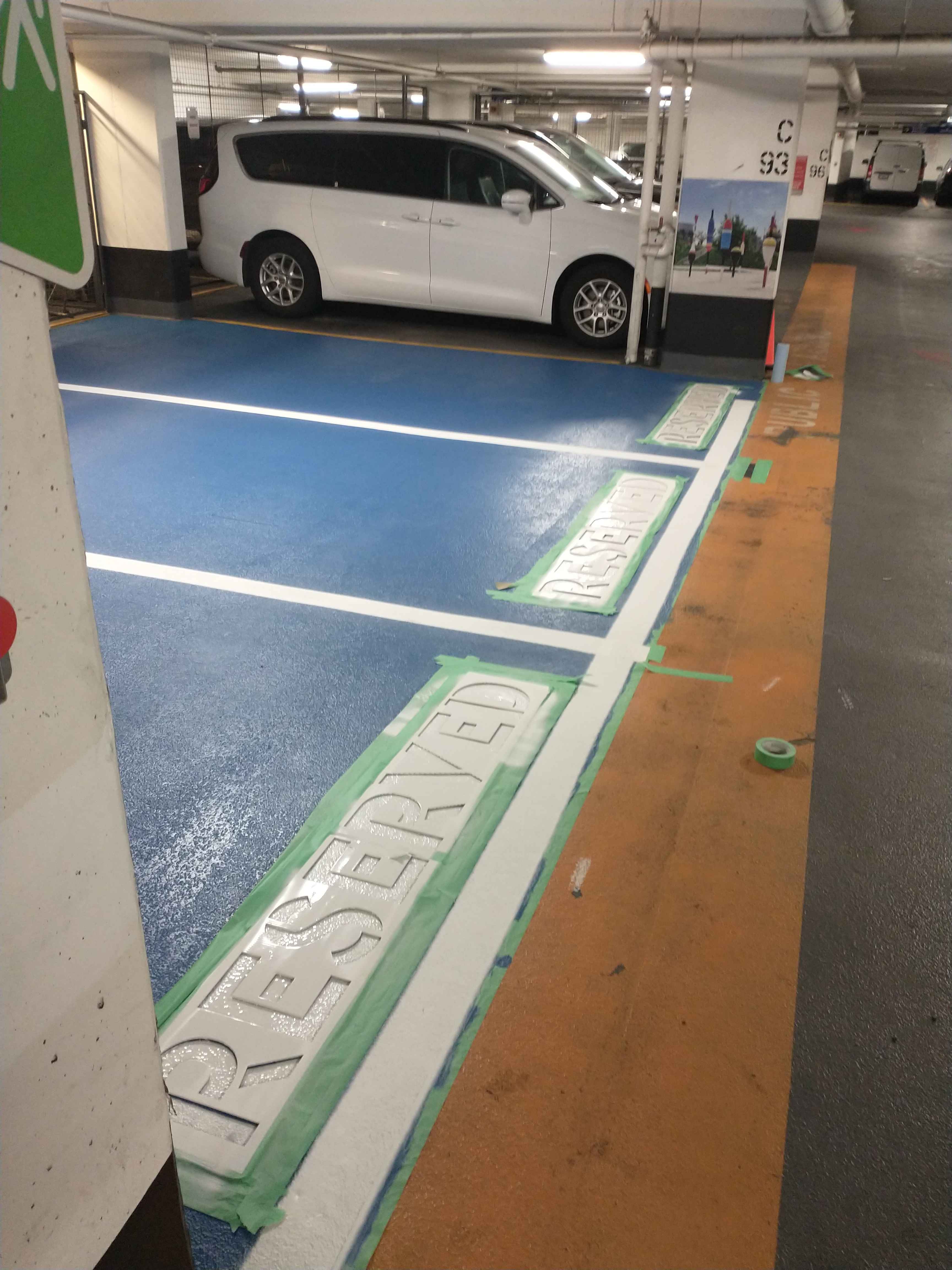
While cracks affect the structure, faded Line Painting affects navigation. When cracks are repaired, it is the perfect time to refresh your Line Marking to ensure traffic flow remains organized and safe.
3. Inconsistent Scheduling
Maintenance shouldn't be an afterthought. It should be a scheduled event on your annual calendar, ideally occurring in the late spring or early autumn when temperatures are stable.
A Visual Reminder
Don't let your pavement reach this state of neglect. Regular inspections by Capital Parking Lot Line Painting ensure that small issues are caught before they become structural catastrophes.
Conclusion: Take Control Today
Your parking lot is an asset, and like any asset, it requires stewardship. By adding routine crack inspections to your calendar, you are choosing stability, safety, and fiscal responsibility. Whether you need structural repairs, crack sealing, or fresh Line Painting, being ahead of the curve is the only way to ensure your property remains a welcoming environment for years to come.