What Facility Managers Should Know About Sealcoating Curing Times
Proper pavement maintenance requires more than just applying a fresh coat of sealer; it requires strategic timing and a deep understanding of the chemical curing process.
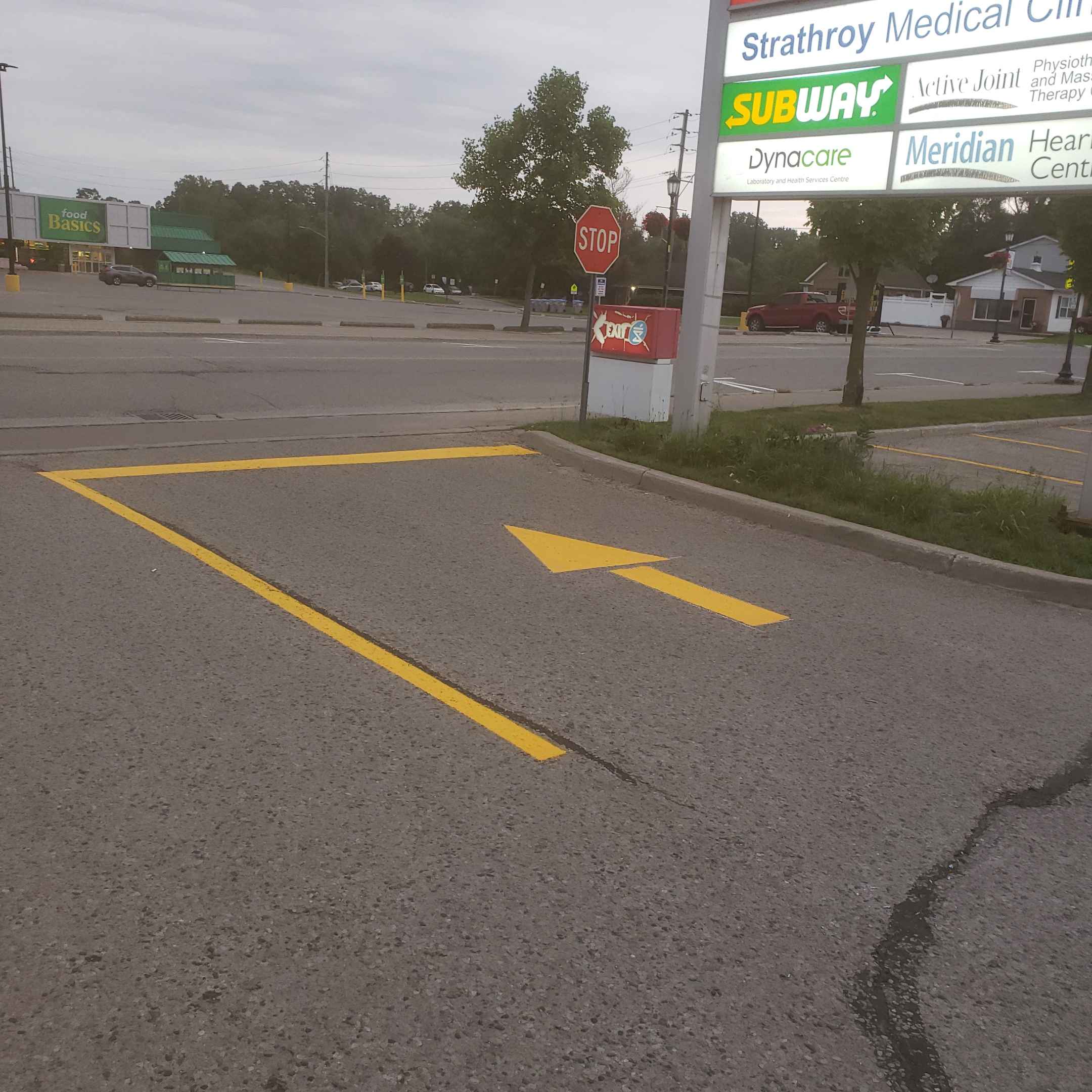
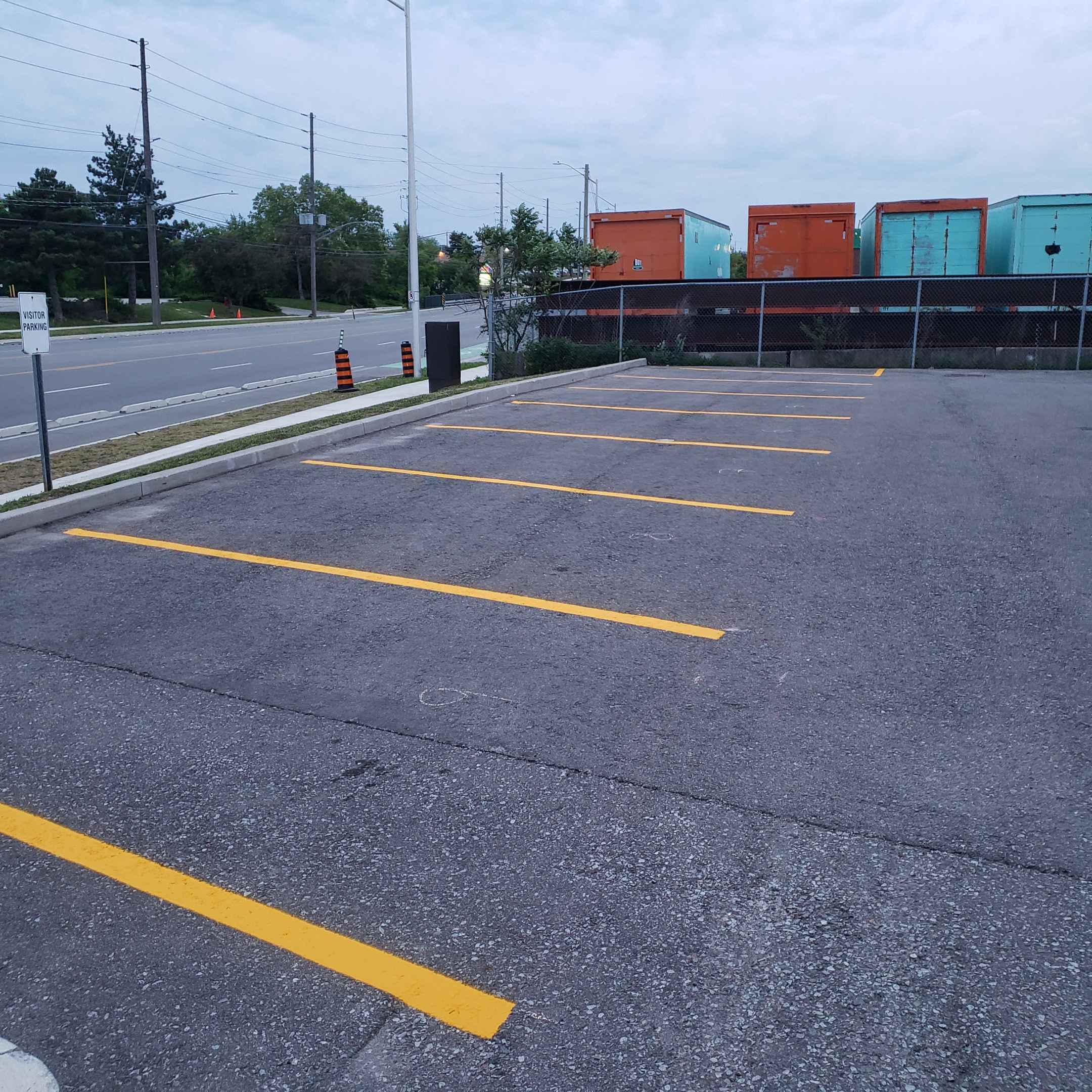
For facility managers overseeing large commercial properties, parking lot maintenance is a balancing act between aesthetic upkeep and operational continuity. One of the most misunderstood aspects of this process is the timeline between application and full usability. When you hire Capital Parking Lot Line Painting to refresh your asphalt, the job isn't finished the moment the crew packs up their tools.
Understanding the nuances of sealcoating curing times can prevent premature wear, vehicle damage, and unnecessary complaints from tenants or customers. In a climate like Greater Sudbury, where weather patterns can shift rapidly, being prepared is the difference between a successful project and a costly mistake.
Drying vs. Curing: The Critical Distinction
The most common mistake facility managers make is conflating "drying time" with "curing time." While they are related, they represent two very different stages of the chemical process.
1. Drying Time (The Surface Stage)
Drying refers to the evaporation of solvents or water from the sealer. This is the period when the surface becomes "tack-free." Once the sealer has dried, it may look complete, but the chemical bond is still fragile. Typically, a lot might be dry enough for light foot traffic within a few hours, but it is far from ready for heavy machinery or vehicles.
2. Curing Time (The Structural Stage)
Curing is a chemical reaction that hardens the sealer and allows it to bond deeply with the asphalt substrate. This is the stage that provides the actual protection against UV rays, oil spills, and water penetration. A full cure can take anywhere from 24 to 72 hours, depending on the product used and environmental conditions. Capital Parking Lot Line Painting recommends allowing for a full cure period before allowing heavy vehicle traffic to ensure the longevity of your investment.
Variables That Affect Your Timeline
In Greater Sudbury, one of the top 30 cities in Ontario, weather is the most significant variable. Because sealcoating is an outdoor chemical process, the environment dictates the speed of the reaction.
- Temperature: Ideally, temperatures should remain above 10°C (50°F) for the duration of the drying process. Cold temperatures significantly slow down the chemical reaction.
- Humidity: High humidity prevents moisture evaporation, which can extend drying times and potentially cause the sealer to cloud or fail to bond.
- Sunlight and Wind: While direct sun can speed up evaporation, excessive heat can cause the sealer to dry too quickly on the surface, trapping solvents underneath. Wind helps with evaporation but can also dry the surface unevenly.
- Product Type: Coal tar-based sealers, asphalt emulsion sealers, and acrylic sealers all have different chemical profiles and cure rates.
The Importance of Proper Sequencing
A common question from facility managers is: "When should we perform our Line Marking?" If you attempt to perform Line Marking or Line Painting too soon after sealcoating, the weight of the application equipment and the chemicals in the paint can disturb the soft sealer, causing smearing or lifting.
The ideal workflow follows this sequence:
- Surface cleaning and crack filling.
- Sealcoat application.
- Drying period (minimal foot traffic).
- Full curing period (no vehicle traffic).
- Professional Line Painting to define stalls and safety zones.
By following this professional sequence, Capital Parking Lot Line Painting ensures that both the protective seal and the visual markings remain crisp and durable for years to come.
Plan Ahead for Success
Effective facility management is about proactive planning. When scheduling your pavement maintenance, always build in a "buffer day" to account for unexpected weather shifts. This prevents the logistical nightmare of having a half-cured lot that cannot be opened to the public on a Monday morning.