What Facility Managers Should Know About Sealcoating Curing Times
Understanding the science of drying is the key to a successful parking lot maintenance program.
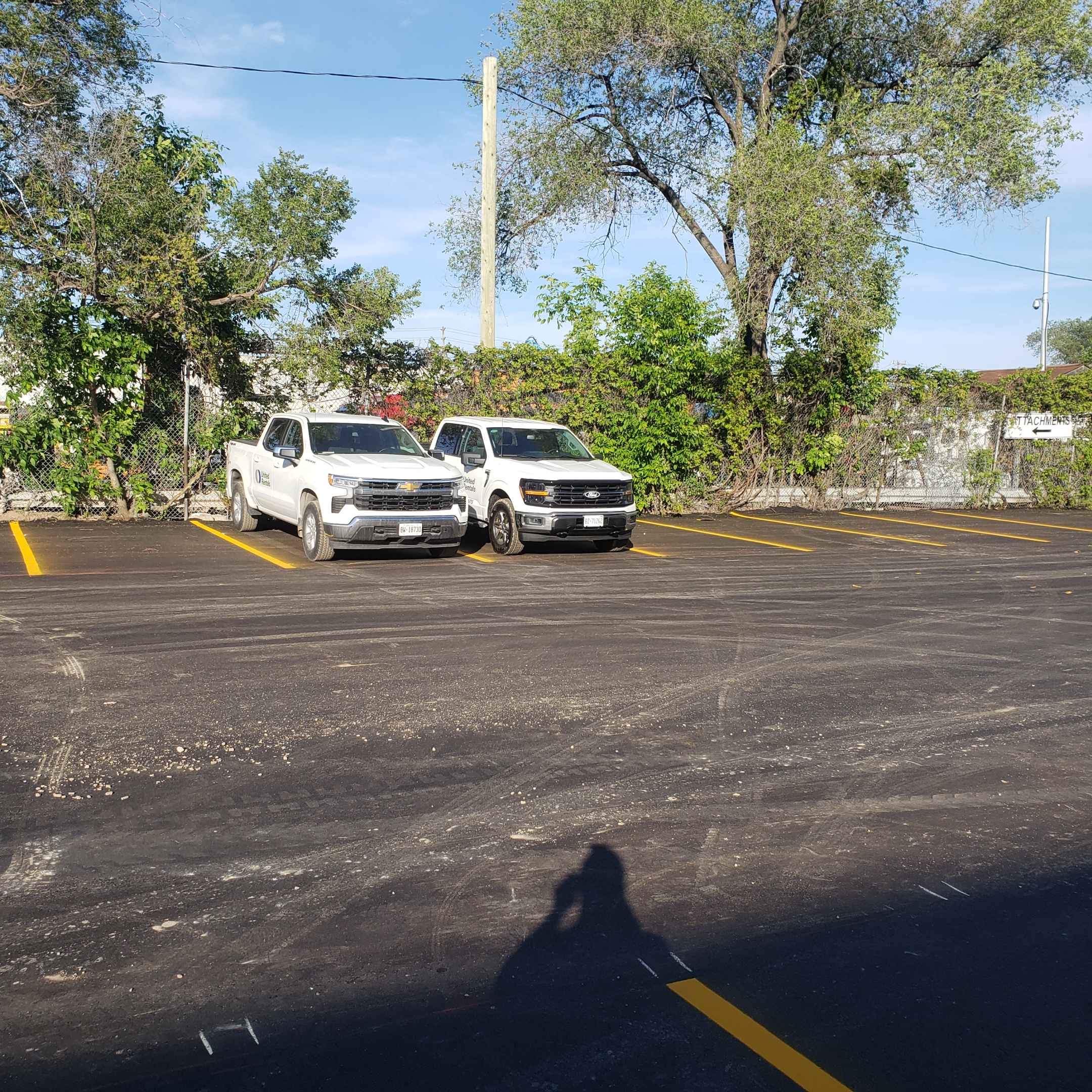
For facility managers, the parking lot is more than just a place to park cars; it is the first impression your property makes on tenants, clients, and visitors. Maintaining this asset requires proactive care, and one of the most vital components of pavement longevity is sealcoating. However, many managers encounter challenges not during the application itself, but during the critical window that follows: the curing phase.
At Capital Parking Lot Line Painting, we have seen how a misunderstanding of curing times can lead to premature wear, tracking, and unnecessary logistical headaches. Knowing exactly how long to keep a surface closed is essential for protecting your investment and ensuring that subsequent services, such as professional line marking, can be performed effectively.
The Difference Between Drying and Curing
One of the most common mistakes in facility management is conflating "drying" with "curing." While these terms are often used interchangeably in casual conversation, they represent two very different chemical and physical processes.
1. The Drying Phase (Surface Dry)
Drying is the evaporation of solvents or water from the sealcoat. This is the stage where the surface no longer feels tacky to the touch and water no longer beads up on the surface. Typically, a surface may feel "dry" within a few hours, but this does not mean it is ready for heavy traffic.
2. The Curing Phase (Full Hardness)
Curing is a chemical reaction (often oxidation) that occurs as the sealcoat hardens throughout its entire thickness. This process can take anywhere from 24 to 72 hours depending on the product used and environmental conditions. During this window, the sealant is still vulnerable to being displaced by vehicle tires or damaged by heavy rain.
Factors That Influence Curing Speed
In a bustling metropolitan area like Toronto, weather patterns can be unpredictable. Facility managers must account for several variables that dictate how quickly a lot can return to service.
- Ambient Temperature: Warmer temperatures generally accelerate the chemical reaction, while cold snaps can stall the curing process entirely.
- Humidity Levels: High humidity can trap moisture on the surface, significantly extending the drying time.
- Sun Exposure: Direct UV rays can help dry the surface faster, but extreme heat can sometimes cause the sealant to dry too quickly on the surface, trapping solvents underneath.
- Product Composition: Coal tar, asphalt emulsion, and acrylic sealers all have different chemical profiles and curing requirements.
Coordinating with Line Marking Services
A common workflow for property maintenance is to sealcoat the lot and then immediately follow up with line marking to refresh the stalls and directional arrows. However, timing is everything. If you attempt to perform line marking too soon after sealcoating, the weight of the application equipment or the chemical composition of the paint can lift the fresh sealant off the pavement.
Capital Parking Lot Line Painting recommends waiting until the sealcoat has reached a stable state of cure before applying any new markings. This ensures that the lines adhere perfectly to the surface and do not peel or bleed into the sealant.
Expert Maintenance in Toronto
Managing large-scale properties in Toronto requires a partner who understands the local climate. Whether you are dealing with heavy spring rains or humid summer afternoons, Capital Parking Lot Line Painting provides the expertise needed to schedule your maintenance during the optimal windows for success.
Common Mistakes to Avoid
To ensure your facility remains professional and safe, avoid these frequent errors:
- Opening the lot too early: Even if the surface looks dark and dry, heavy vehicles can leave permanent "tracking" marks in the sealant.
- Ignoring the weather forecast: Scheduling a sealcoating job right before a major storm in Ontario can result in a total loss of the application.
- Lack of communication: Failing to notify tenants or staff about the closure periods can lead to frustrated users and potential liability issues.
By working with a professional team like Capital Parking Lot Line Painting, you can mitigate these risks through professional-grade products and scientifically backed scheduling.