Can You Sealcoat in Early Spring? Pros and Cons
As the winter frost begins to thaw and the snow disappears from the streets of Guelph, property managers and homeowners alike start looking at their asphalt. The big question arises: Is it too early to sealcoat?
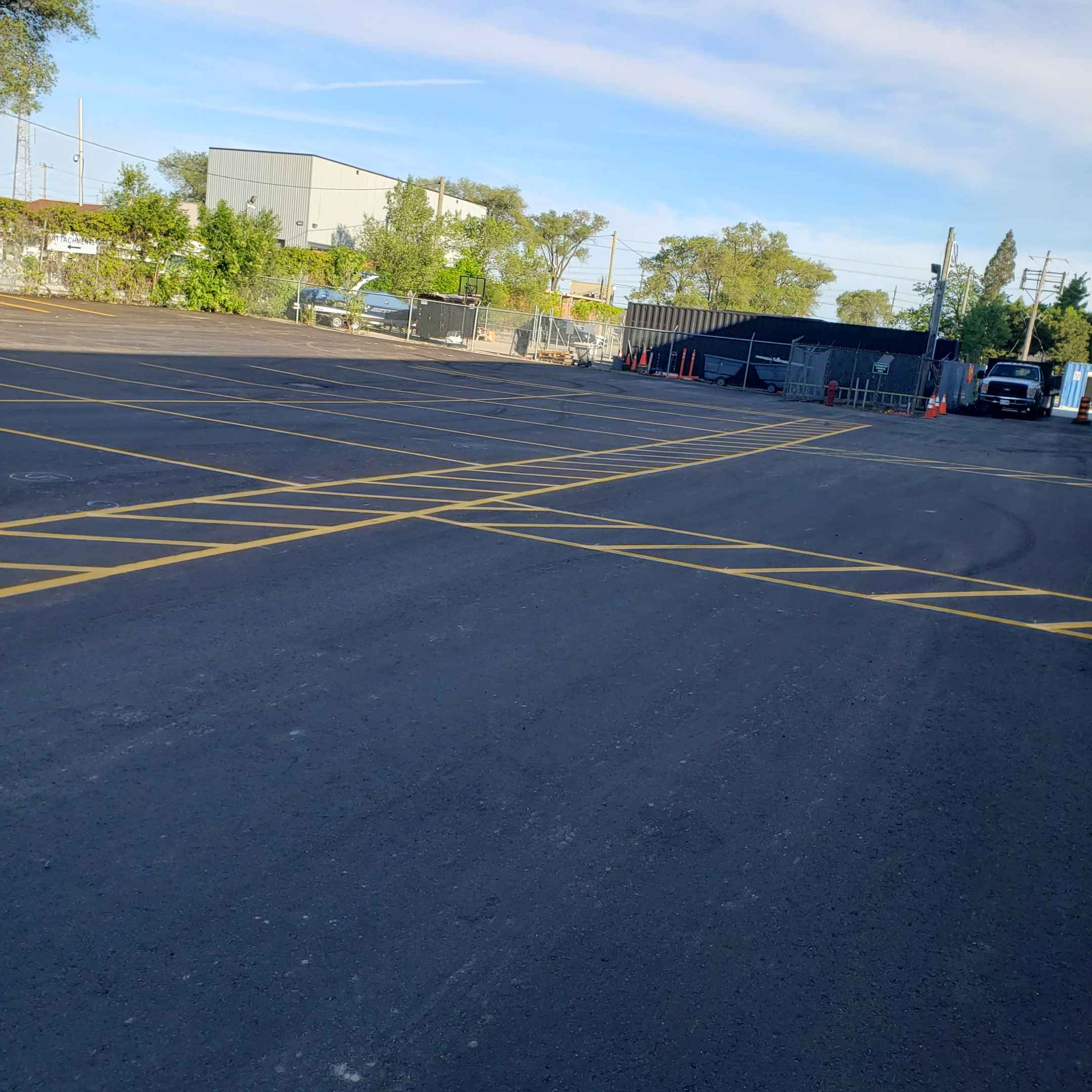
The transition from winter to spring is a volatile time for asphalt surfaces. In a top 30 Ontario city like Guelph, the weather can shift from a sunny afternoon to a sudden freezing rain in a matter of hours. While the urge to repair and protect your pavement as soon as the sun comes out is understandable, sealcoating is a chemical process that is highly sensitive to environmental conditions.
At Capital Parking Lot Line Painting, we specialize in helping property owners navigate these seasonal challenges to ensure their asphalt receives the highest quality care possible.
The Science of Sealcoating: Why Timing Matters
Sealcoating isn't just "painting" the driveway; it is applying a protective barrier that prevents water, oil, and UV rays from penetrating the asphalt binder. For this barrier to form correctly, the sealcoat material must undergo a specific curing process.
Temperature Requirements
The most critical factor in spring sealcoating is the ambient temperature. Most professional-grade sealants require the ground and air temperature to remain consistently above 10°C (50°F) for several days following application. If the temperature drops too low during the curing phase, the sealant may fail to bond, leading to cracking, peeling, or a powdery residue that washes away with the first rain.
Moisture and Humidity
Spring is notoriously damp. High humidity can slow down the drying process, while unexpected rainfall can ruin a fresh application instantly. If moisture gets trapped under the sealant before it has hardened, it can cause the coating to bubble or lift.
Pros and Cons of Early Spring Sealcoating
Pros
- ✅ Early Protection: Prevents spring rain and melting snow from seeping into existing cracks.
- ✅ Scheduling Advantage: Getting on the calendar early can help avoid the mid-summer rush.
- ✅ Visual Appeal: Instantly refreshes the look of the property for the upcoming busy season.
Cons
- ❌ Weather Volatility: High risk of sudden frost or rain disrupting the cure.
- ❌ Subsurface Moisture: Asphalt may still be holding moisture from snowmelt, preventing a good bond.
- ❌ Potential for Failure: Incorrect application due to cold can lead to costly re-dos.
Common Mistakes to Avoid
When property owners attempt to rush the process, they often encounter issues that require professional intervention from Capital Parking Lot Line Painting to correct. Avoid these common pitfalls:
- Applying sealant over dirty or debris-filled asphalt.
- Ignoring cracks that need professional filling before coating.
- Attempting to sealcoat when the ground is still frozen.
- Neglecting to coordinate Line Marking to ensure fresh lines are applied over a cured surface.
The Ideal Spring Workflow
To achieve a long-lasting result, we recommend a structured approach. Instead of rushing the sealcoat, consider this sequence:
- Deep Cleaning: Power washing the surface to remove winter salt, sand, and organic debris.
- Crack Repair: Filling cracks with hot rubberized filler to prevent water intrusion.
- Wait for Stability: Monitoring the weather for a consistent window of warmth and dry days.
- Sealcoat Application: Applying the protective layer once the surface is dry and warm.
- Line Marking: Once the sealant is fully cured, performing professional Line Painting to restore parking organization.
Conclusion: Should You Do It?
Can you sealcoat in early spring? Technically, yes—but only if the weather permits a stable, warm environment. For most properties in the Guelph area, waiting until late spring or early summer provides a much higher success rate and better long-term durability.
If you are unsure about the condition of your asphalt, contact the experts at Capital Parking Lot Line Painting. We can assess your lot and provide a professional recommendation based on the current local climate, ensuring your investment is protected for years to come.
Don't let the spring thaw damage your pavement. Plan your maintenance early with professional guidance.