Is Sealcoating Suitable for Older Asphalt Surfaces?
Understanding when to protect, when to repair, and when to replace your aging pavement.
As asphalt ages, it undergoes a visible transformation. The deep, rich black color fades into a light grey, and the surface may begin to show signs of wear, such as small cracks or minor raveling. For property owners in Guelph, deciding whether to apply a fresh layer of sealant or to pursue more intensive repairs is a common dilemma. Many ask the critical question: Is sealcoating actually suitable for older asphalt surfaces, or is it a waste of resources on a dying pavement?
The answer isn't a simple yes or no; it depends entirely on the current structural integrity of your surface. At Capital Parking Lot Line Painting, we specialize in assessing pavement health to ensure our clients invest in the right maintenance strategies.
The Science of Asphalt Aging
To understand if sealcoating will work, you must first understand why asphalt degrades. Asphalt is a flexible pavement composed of aggregate held together by a bituminous binder. Over time, exposure to UV rays, oxidation, and moisture causes this binder to become brittle. As the binder loses its ability to flex, the surface begins to oxidize, turning grey.
Once the binder is compromised, water can penetrate the surface, leading to more significant issues like potholes or base failure. Sealcoating acts as a sacrificial barrier, protecting the remaining binder from further UV damage and moisture ingress. However, if the binder is already gone, the sealer has nothing to bond to.
When Sealcoating is an Excellent Idea
Sealcoating is most effective when used as a preventative maintenance tool. If your asphalt is older but still structurally sound, sealcoating can extend its lifespan by years. You should consider sealcoating if:
- The surface is primarily grey but lacks deep structural cracks.
- There are only minor surface cracks (hairline cracks) present.
- The pavement is still relatively level without significant depressions.
- You want to restore the aesthetic appeal of your parking lot.
By applying a high-quality sealant, you effectively "reset" the clock on oxidation. For businesses in Guelph, this is a cost-effective way to maintain curb appeal and protect the underlying asset.
Red Flags: When Sealcoating is Not Enough
There comes a point where sealcoating becomes a "band-aid" on a wound that requires stitches. If you apply sealer over a failing surface, the sealer will simply crack along with the asphalt, providing no real protection. Watch out for these warning signs:
1. Alligator Cracking
This refers to a pattern of interconnected cracks that resemble the skin of an alligator. This is a sign of deep structural failure in the base layer. Sealcoating will not fix this; in fact, it may hide the problem until the pavement becomes a safety hazard.
2. Significant Potholes and Depressions
If water is pooling in certain areas of your lot, the sub-base has likely failed. Sealcoating is a surface treatment and cannot fill deep voids or stabilize a sinking foundation.
3. Extensive Raveling
Raveling is when the aggregate begins to separate from the binder, creating a rough, sandpaper-like texture. If the aggregate is loose, the sealer will not be able to hold the surface together.
The Importance of a Professional Assessment
Because the line between "maintenance" and "replacement" can be thin, professional expertise is vital. Capital Parking Lot Line Painting recommends a thorough inspection before any sealant is applied. A professional can identify whether you need simple sealcoating, crack filling, or a full mill and overlay.
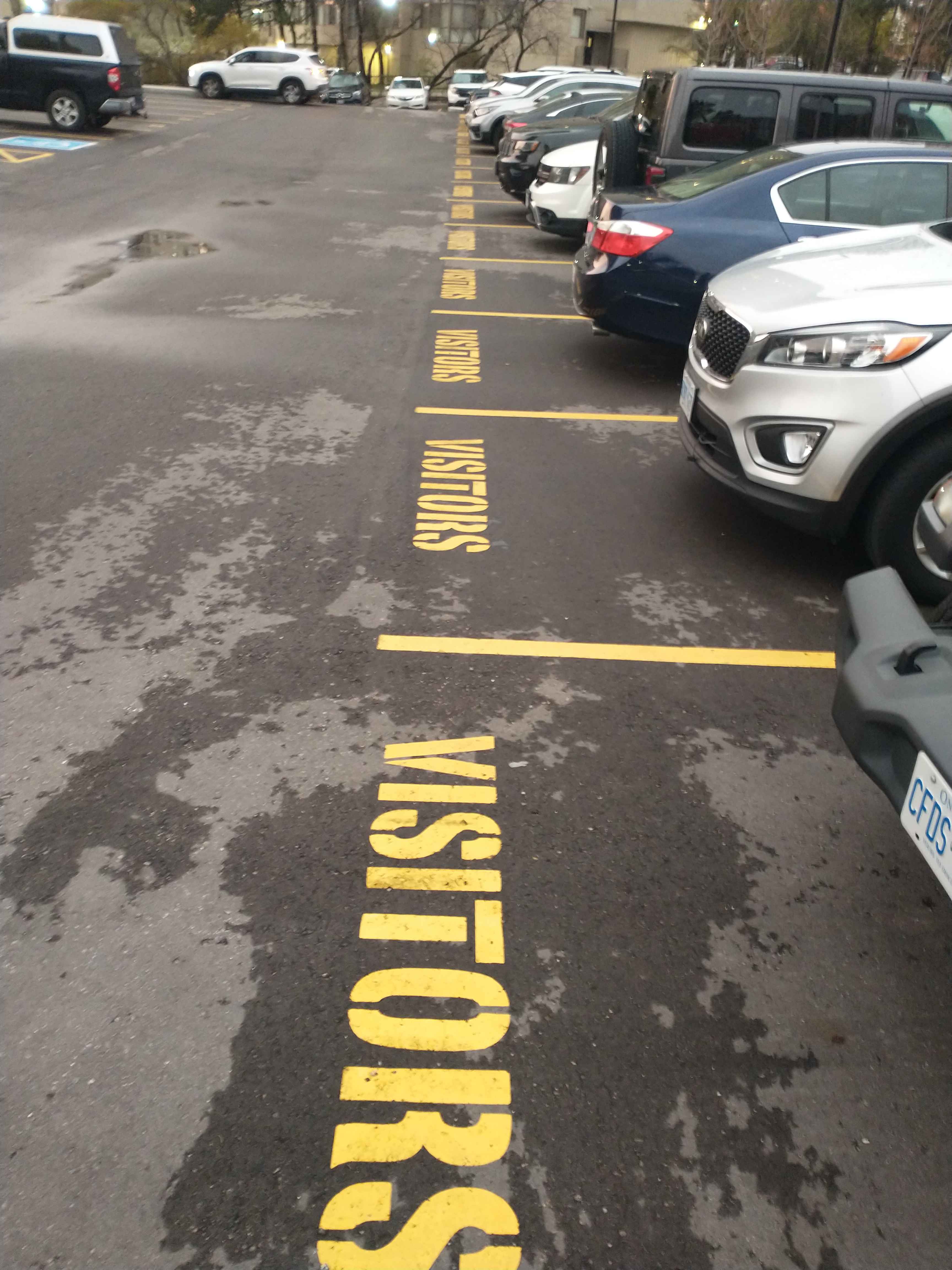
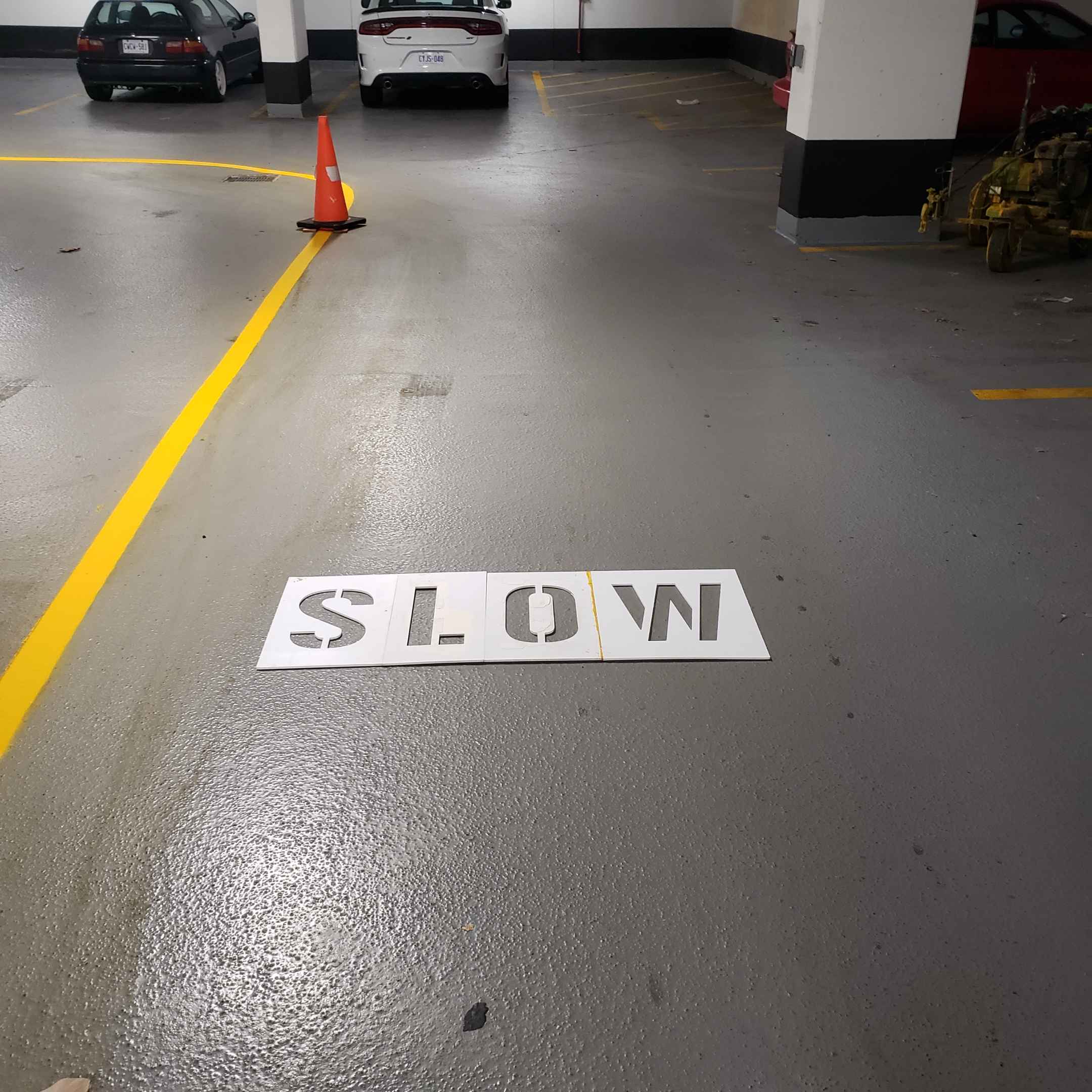
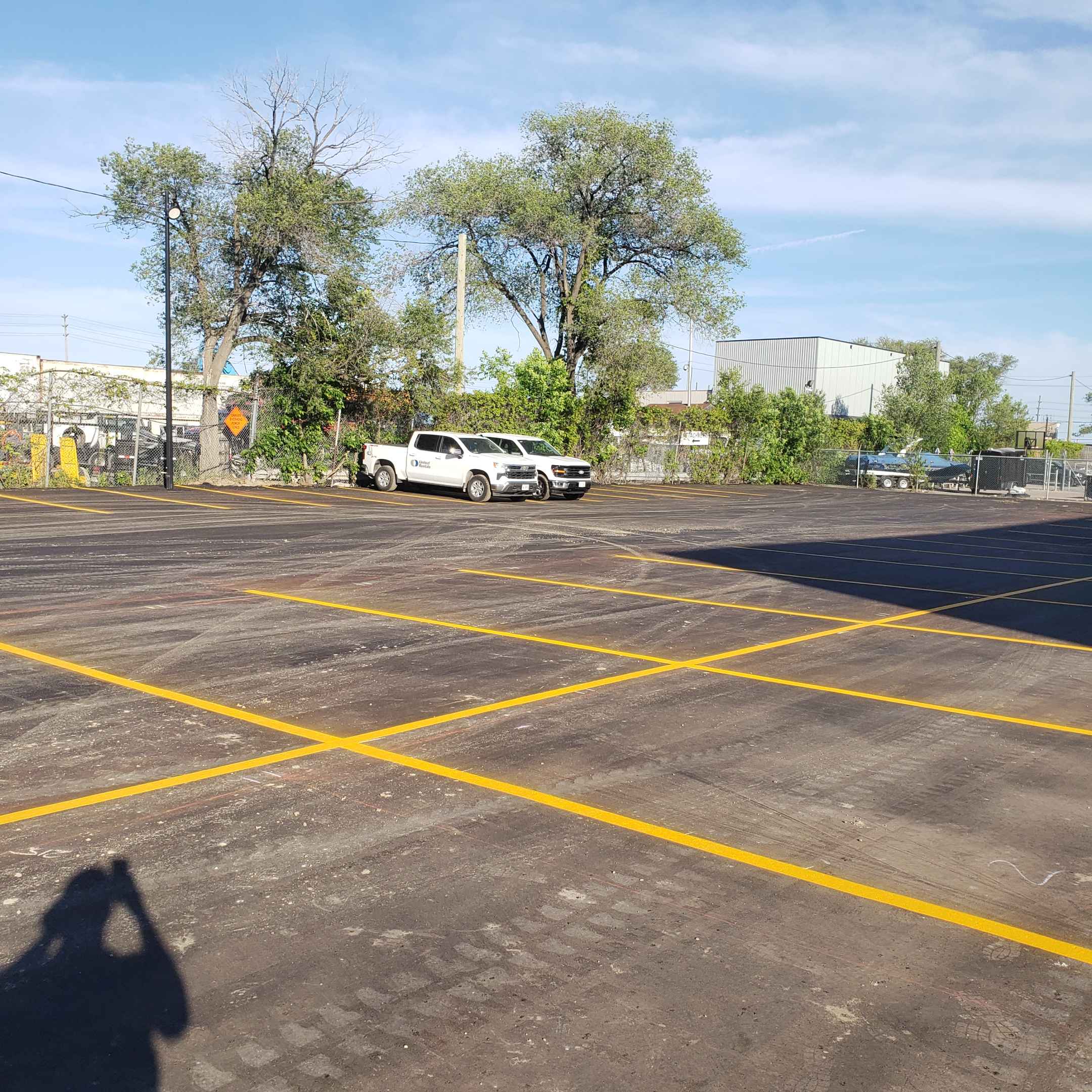
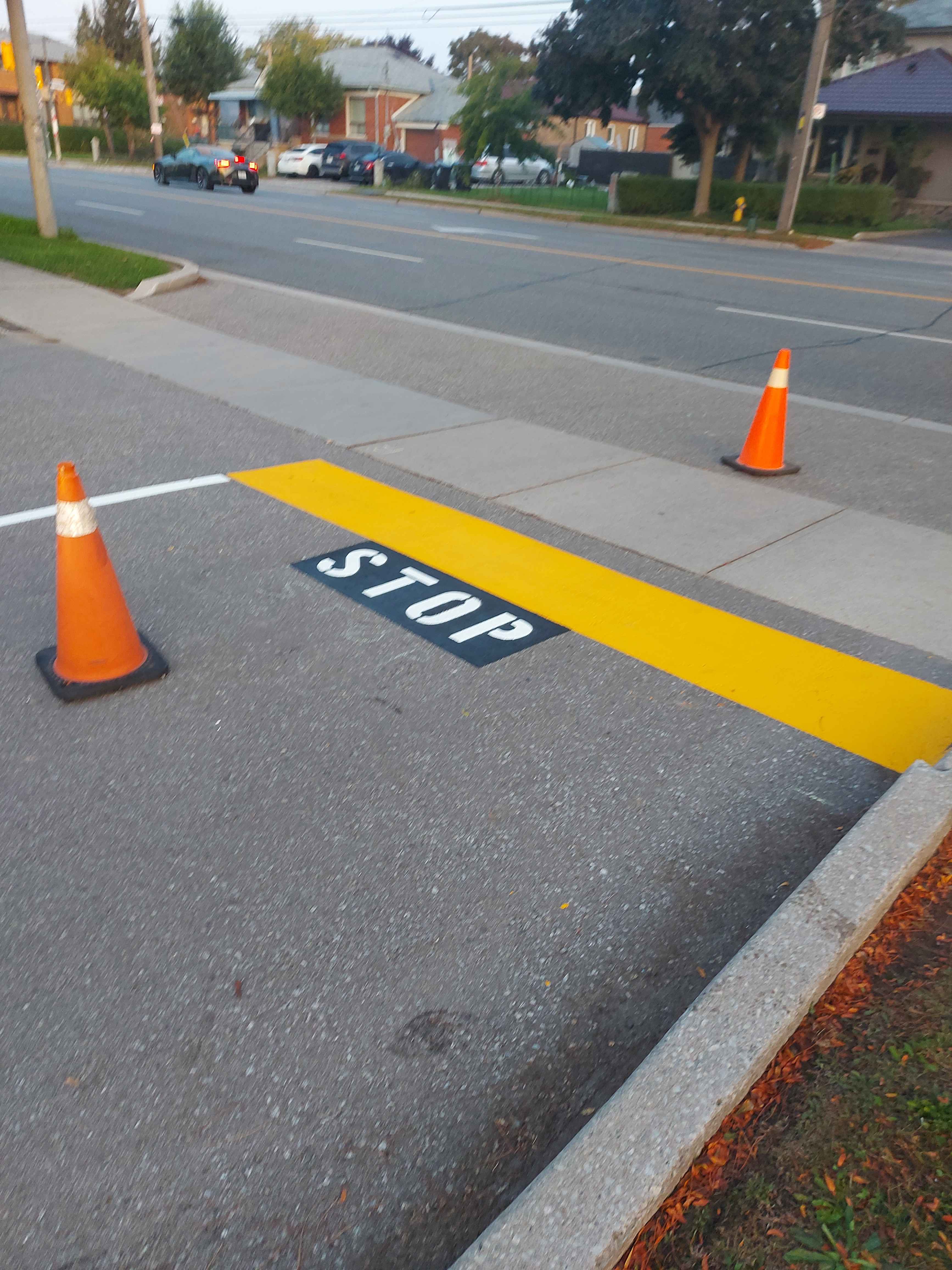
Furthermore, once the surface is restored, the visual clarity of your lot is paramount. We often recommend combining sealcoating with professional Line Marking to ensure that parking stalls, ADA compliance markings, and directional arrows are crisp, bright, and highly visible to drivers.
The Maintenance Workflow
If your asphalt is deemed suitable for sealcoating, the process should follow a strict professional standard to ensure longevity:
- Deep cleaning and pressure washing to remove debris and oil.
- Crack filling using a hot-applied rubberized filler.
- Application of a high-grade coal tar or asphalt emulsion sealer.
- Curing time to allow the surface to harden.
- Fresh Line Painting to finalize the professional look.
Ready to Revitalize Your Pavement?
Don't wait for your asphalt to fail completely. Whether you need routine maintenance or expert Line Marking, Capital Parking Lot Line Painting is here to help your property shine.