What Facility Managers Should Know About Thermoplastic Marking
Ensuring safety, compliance, and long-term durability in high-traffic environments requires more than just a fresh coat of paint.
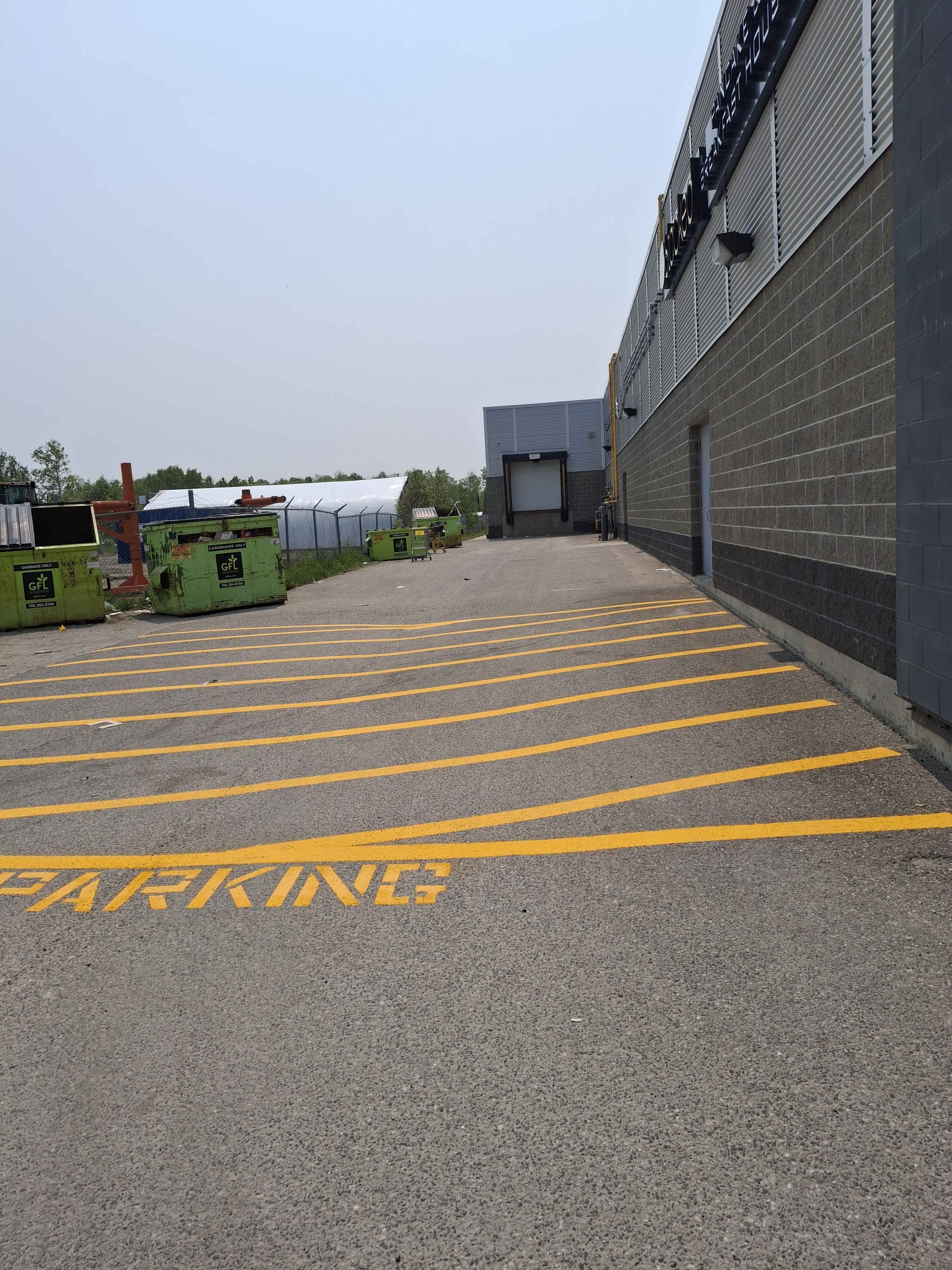
For facility managers overseeing large commercial properties, industrial sites, or municipal spaces, the maintenance of pavement markings is a critical component of risk management. Whether you are managing a shopping center in London or a sprawling industrial complex, the clarity of your walkways, parking stalls, and traffic lanes directly impacts safety and liability. While traditional line painting has been the industry standard for decades, a superior alternative has become essential for high-wear areas: thermoplastic marking.
At Capital Parking Lot Line Painting, we understand that facility managers aren't just looking for aesthetic improvements; they are looking for solutions that stand the test of time, weather, and heavy vehicular traffic. This guide will walk you through why thermoplastic is a game-changer for your facility maintenance strategy.
Understanding the Technology: What is Thermoplastic?
Unlike standard liquid line painting, which dries through evaporation, thermoplastic is a specialized material consisting of thermoplastic resin, pigments, and glass beads. The material is heated to a molten state and applied to the pavement. As it cools, it bonds aggressively to the surface, creating a thick, durable layer that is significantly more robust than traditional coatings.
The inclusion of glass beads is a critical feature. These beads are embedded into the material during application, providing much-needed retroreflectivity. This ensures that even in low-light conditions or during heavy rain, your markings remain highly visible to drivers and pedestrians alike.
Why Facility Managers Are Making the Switch
When evaluating maintenance budgets and long-term operational efficiency, the durability of the material is paramount. Here are the primary advantages of choosing thermoplastic marking over standard line marking methods:
- Extreme Durability: Because it forms a physical bond with the substrate, it resists chipping, peeling, and fading much longer than standard paint.
- High Visibility: The integrated glass beads provide superior nighttime visibility, which is vital for safety in busy parking lots.
- Weather Resistance: Thermoplastic is designed to withstand the harsh freeze-thaw cycles common in London and the rest of Ontario.
- Quick Cure Time: Once applied and cooled, the material is immediately ready for traffic, minimizing downtime for your facility.
- Compliance: It meets strict regulatory standards for accessibility and traffic control, helping you stay compliant with safety codes.
Comparing Thermoplastic vs. Traditional Line Painting
It is a common misconception that all line marking is created equal. While traditional line painting is excellent for seasonal updates or low-traffic areas, it lacks the structural integrity required for high-stress zones.
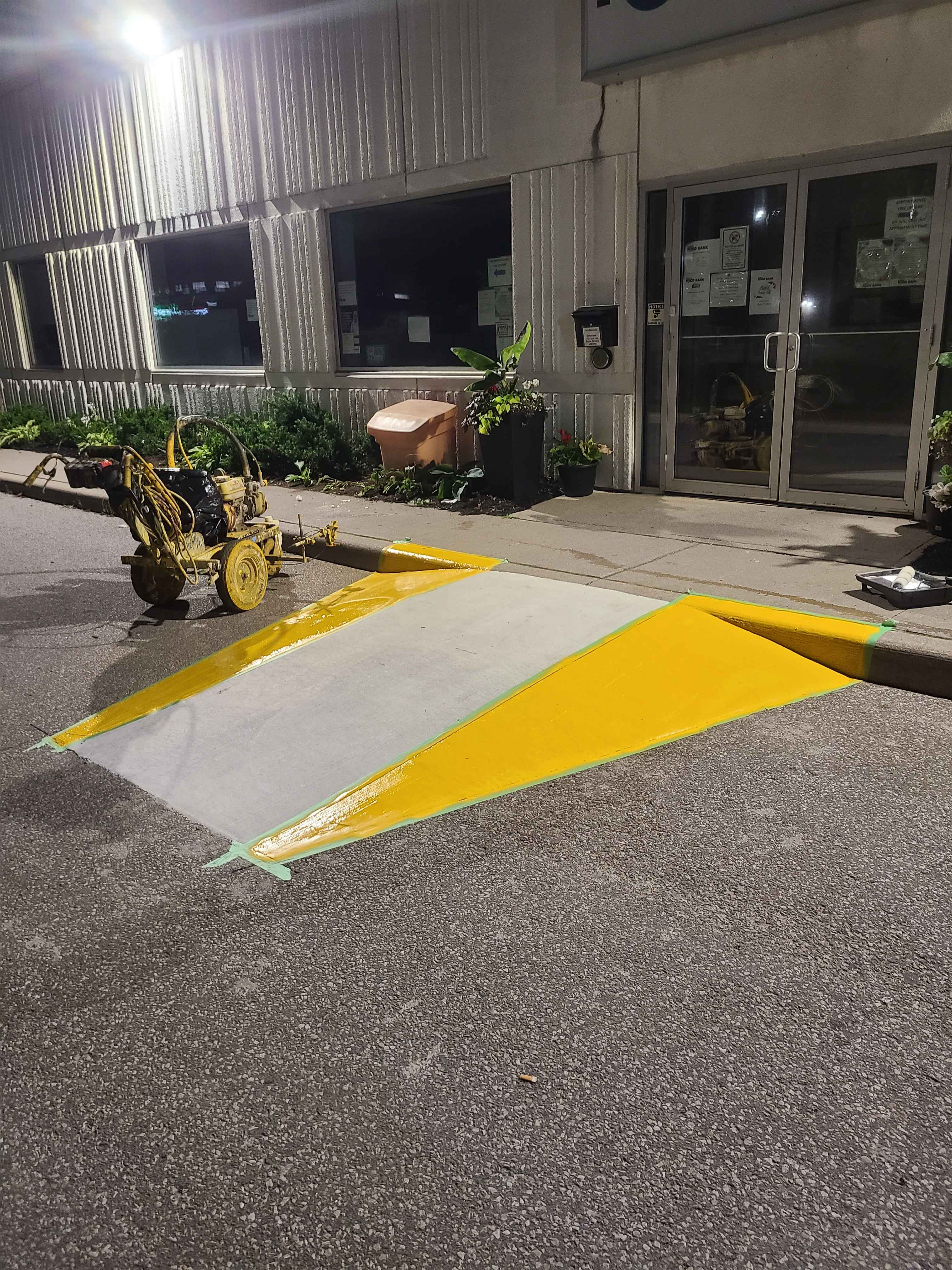
Capital Parking Lot Line Painting often recommends a hybrid approach. For example, you might use standard line painting for temporary directional arrows, but utilize thermoplastic for permanent handicap stalls, crosswalks, and heavy-duty loading dock zones. This strategic application ensures you are investing your resources where they provide the most longevity.
Invest in Long-Term Safety
Don't wait for your markings to fade into illegibility. Proactive maintenance with high-quality thermoplastic ensures your facility remains safe and professional year-round.
Key Considerations for Implementation
As a facility manager, there are a few technical aspects you should keep in mind when planning your next marking project:
1. Surface Preparation
The success of thermoplastic marking depends heavily on the cleanliness of the surface. Any oil, grease, or loose debris can prevent the material from bonding. Professional teams like Capital Parking Lot Line Painting utilize industrial-grade cleaning methods to ensure maximum adhesion.
2. Environmental Conditions
Since thermoplastic is applied in a molten state, temperature and moisture levels are critical. Applying it during extreme cold or immediately before heavy rain can compromise the integrity of the bond.
3. Traffic Patterns
Analyze your facility's traffic flow. High-turning areas (like intersections or tight parking aisles) experience much higher friction. These are the areas where thermoplastic is non-negotiable to prevent rapid wear.
Conclusion
Transitioning to thermoplastic marking is an investment in the safety and longevity of your property. By reducing the frequency of re-application and enhancing visibility, you are not just maintaining a parking lot—you are managing risk and enhancing the professional image of your facility.