What Causes Cracks to Reappear After They’re Filled?
You’ve invested time and resources into repairing your pavement, only to see those same dark lines creeping back through the surface just months later. It is a common frustration for property managers and homeowners alike.
The Frustration of Recurring Cracks
There is nothing more disheartening than watching a freshly repaired parking lot or driveway begin to deteriorate almost immediately after a maintenance cycle. When cracks reappear, it often feels like the repair was a waste of time. However, a reappearing crack is usually a symptom of a deeper, underlying issue rather than a failure of the filler material itself.
At Capital Parking Lot Line Painting, we see this issue frequently. Understanding the "why" behind the recurrence is the first step toward a permanent solution. Whether you are managing a commercial lot in a bustling area or a private driveway in Milton, the mechanics of asphalt failure remain remarkably similar.
Common Culprits Behind Reappearing Cracks
To fix a problem permanently, you must address the source. Here are the most common reasons why cracks refuse to stay away:
1. Subgrade Instability
The asphalt is only as strong as the ground beneath it. If the soil (subgrade) underneath the pavement is shifting, settling, or eroding, the asphalt will flex. No matter how much filler you apply, the movement of the earth will eventually force the crack open again. This is particularly common in areas with heavy clay content or poor drainage.
2. Thermal Expansion and Contraction
Asphalt is a flexible material that reacts to temperature. In Ontario, we experience extreme shifts between freezing winters and hot summers. As the pavement expands in the heat and contracts in the cold, it creates tension. If the crack is part of a larger structural movement caused by these temperature swings, the filler may lose its bond or be pushed out.
3. Improper Preparation and Material Choice
Not all crack fillers are created equal. If a repair is performed without cleaning out the debris, dirt, or old, loose material from the crack, the new filler cannot bond to the sides of the pavement. Furthermore, using a filler that isn't rated for the specific climate of Milton can lead to premature failure.
Why Professional Maintenance Matters
When you hire a specialist like Capital Parking Lot Line Painting, you aren't just paying for filler; you are paying for a diagnostic approach to pavement longevity.
The Lifecycle of a Healthy Parking Lot
To prevent cracks from becoming major structural issues, a proactive maintenance schedule is required. This includes more than just patching holes; it involves maintaining the visual and structural integrity of the entire surface.
Effective maintenance typically includes:
- Comprehensive crack inspection and cleaning.
- High-quality hot-pour or cold-pour crack sealing.
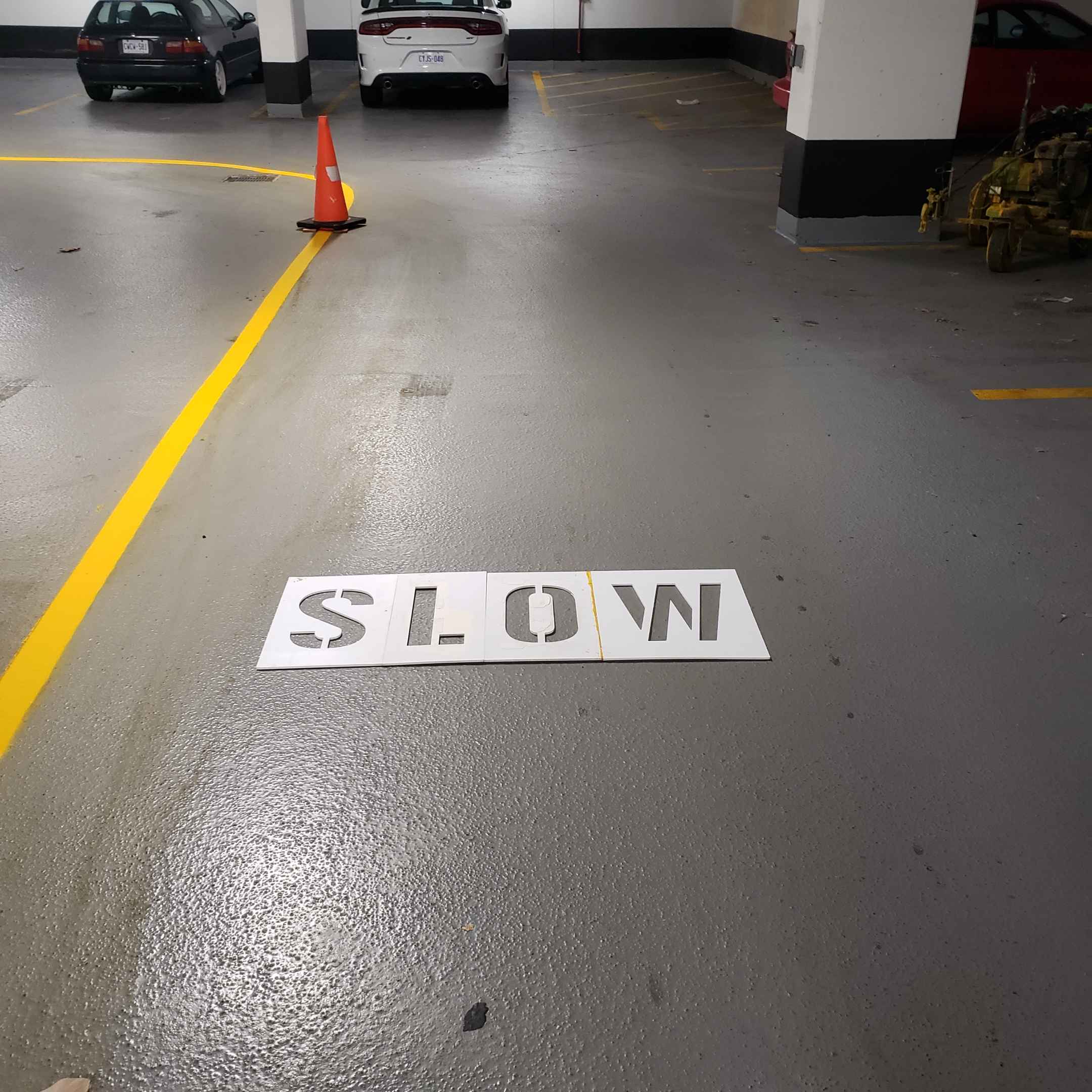
- Professional Line Marking to ensure safety and compliance.
- Regular sealcoating to protect against UV damage and oxidation.
- Drainage assessment to prevent water from undermining the subgrade.
The Role of Line Marking in Safety and Longevity
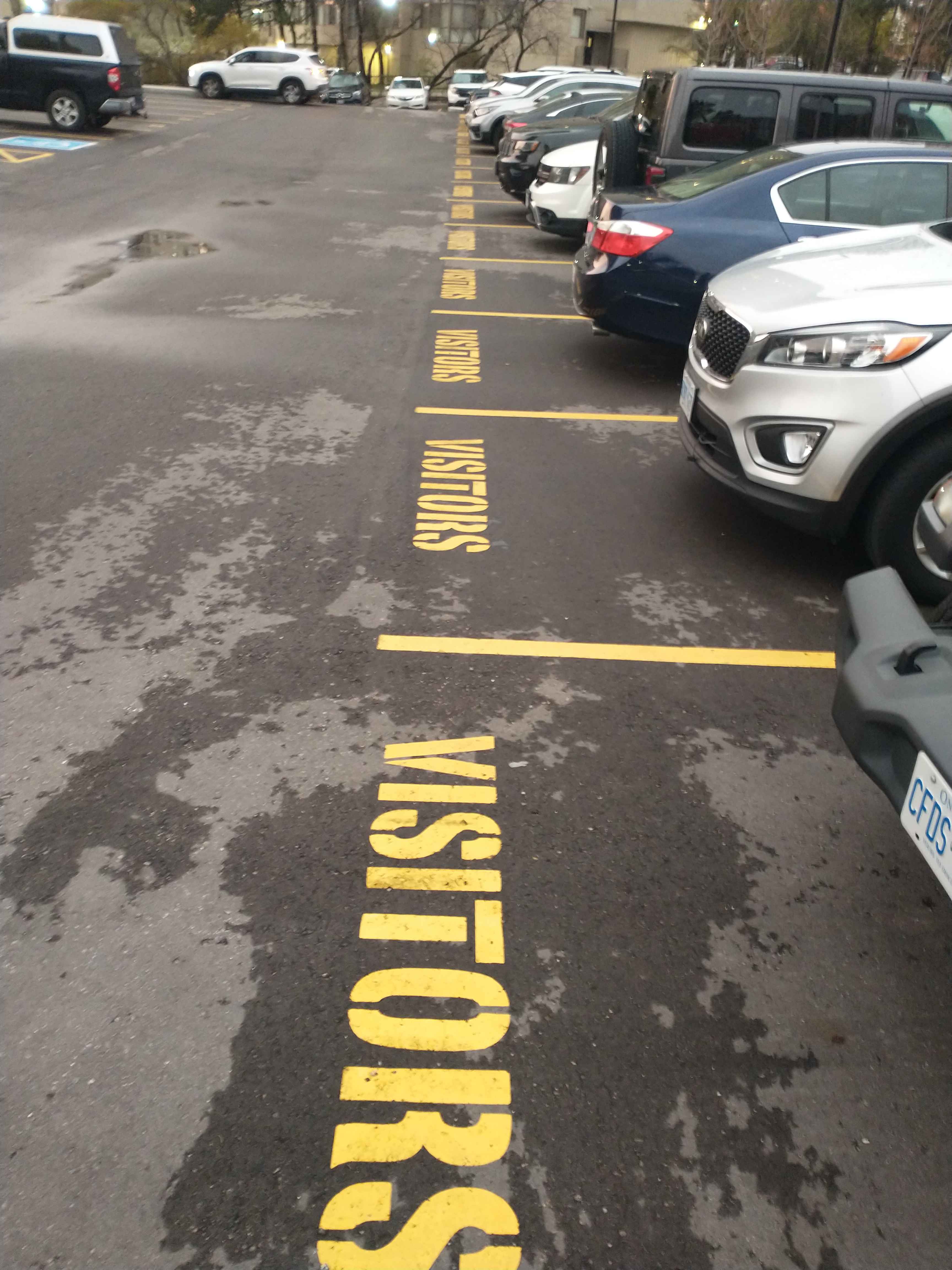
While cracks affect the structural integrity, the visual cues on your pavement are equally important for traffic flow and safety. Many property owners overlook the importance of Line Painting until the markings have faded to the point of being illegible. Clear Line Marking helps direct traffic away from damaged or crumbling sections of the lot, reducing the wear and tear caused by vehicles driving over unstable areas.
Capital Parking Lot Line Painting specializes in ensuring that your facility remains both safe and aesthetically professional through high-visibility markings and structural repairs.
Summary: How to Break the Cycle
If you find yourself constantly filling the same cracks, it is time to stop treating the symptom and start treating the disease. If the issue is subgrade movement, you may need more intensive stabilization. If the issue is environmental, you may need a different grade of sealant. By working with experts who understand the local climate and soil conditions in Ontario, you can ensure your pavement stays smooth for years to come.