When Is It Too Late to Fill Cracks Before Winter?
The ticking clock of the Canadian winter: Why timing is everything for your asphalt maintenance.
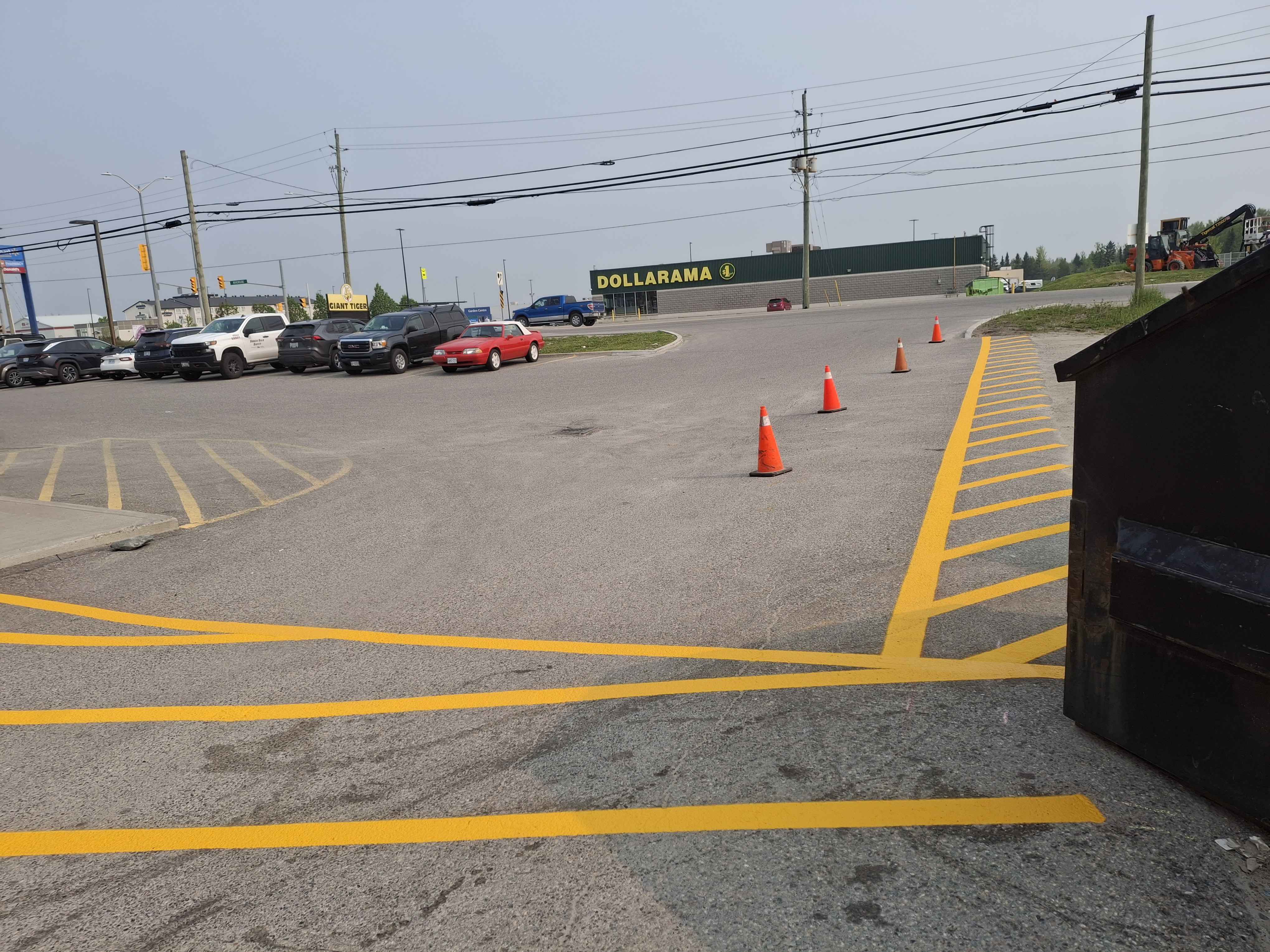
For property managers and business owners in Greater Sudbury, the changing seasons bring more than just a drop in temperature. They bring a race against time. As a top 30 city in Ontario, our region is no stranger to the brutal freeze-thaw cycles that can turn a minor asphalt crack into a massive pothole overnight. If you have been staring at those dark lines in your pavement, wondering if you can wait until spring, the answer is likely a resounding "no."
At Capital Parking Lot Line Painting, we see the aftermath of deferred maintenance every single spring. Waiting too long to address cracks doesn't just result in an ugly parking lot; it results in structural failure. Understanding the window of opportunity is the key to preserving your investment.
The Science of the Freeze-Thaw Cycle
To understand why timing matters, you have to understand how water interacts with your asphalt. Asphalt is a flexible material, but it is not waterproof. When cracks form, they act as funnels for rainwater and melting snow.
In a climate like Greater Sudbury, the temperature fluctuates wildly. Water enters a crack during a mild afternoon, then freezes during the night. When water freezes, it expands by approximately 9%. This expansion exerts massive internal pressure on the surrounding asphalt, forcing the crack to widen. This process, known as frost heaving, is the primary culprit behind rapid pavement deterioration.
If you do not seal these cracks before the ground freezes, you are essentially inviting the winter weather to dismantle your parking lot from the inside out.
So, When Is It Too Late?
The "too late" point is defined by two main factors: temperature and moisture. For professional-grade crack filling to be effective, the sealant needs to bond properly with the existing asphalt. This requires specific ambient temperatures and a dry surface.
The Ideal Window
The best time to perform crack filling is during the late summer or early autumn. This allows the sealant to cure fully before the first heavy frost. Ideally, you want to complete your maintenance before the ground temperature consistently drops below 10°C (50°F).
The Danger Zone
It becomes "too late" when the following conditions occur:
- Persistent Moisture: If the cracks are constantly filled with water due to frequent rain or snow, the sealant won't adhere.
- Extreme Cold: Most hot-pour sealants require warmth to flow into the depths of the crack. If the asphalt is too cold, the sealant will simply sit on top, creating a superficial patch that will peel off during the first thaw.
- Active Frost Heaving: If the ground is already shifting due to frost, any repair made will be immediately compromised by the movement.
At Capital Parking Lot Line Painting, we recommend scheduling your inspection no later than late September to ensure your property is protected before the Ontario winter sets in.
The Ripple Effect of Neglect
Many property owners mistakenly believe that a small crack is a cosmetic issue. However, neglect leads to a domino effect of expenses. What begins as a simple crack-filling job can quickly escalate into a full-scale asphalt resurfacing or even a complete repaving project.
Furthermore, a damaged parking lot affects your brand perception. A lot filled with cracks and potholes suggests a lack of care, which can subconsciously influence how customers view your business. Along with crack filling, ensuring your Line Marking is crisp and visible is essential for safety and professional appearance.
Quick Summary: Maintenance Checklist
Don't wait for the snow to fly! Ensure your property is ready by following these steps:
- Inspect all cracks larger than 1/4 inch.
- Check for signs of water pooling in low spots.
- Schedule professional crack filling before the first freeze.
- Refresh your Line Painting for maximum visibility.
Why Choose Professionals?
While DIY kits are available at local hardware stores, they rarely provide the longevity required for the harsh Canadian climate. Professional crews use high-grade, hot-applied rubberized asphalt fillers that penetrate deep into the cracks and bond on a molecular level. Capital Parking Lot Line Painting utilizes industry-leading materials designed specifically to withstand the thermal expansion and contraction typical of our region.
By investing in professional maintenance now, you are saving significant capital in the long run. It is the difference between a routine seasonal service and an emergency reconstruction project.