Why Edge Cracking Needs Immediate Attention
Understanding the structural risks of pavement deterioration and how to protect your investment.
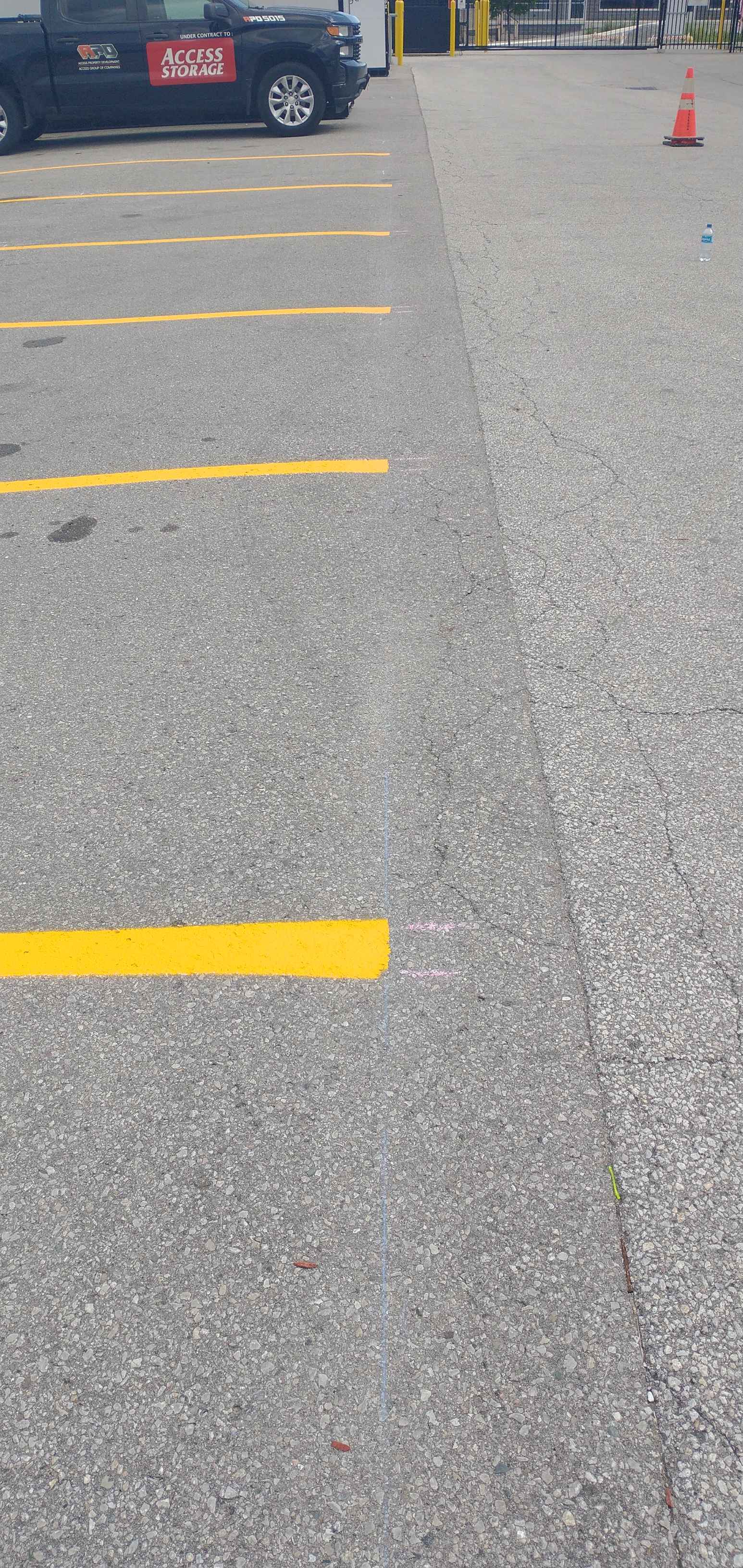
For property managers and business owners, a parking lot is often the first thing a customer sees. While many focus on the aesthetics of Line Painting to keep the lot looking organized, there is a much more critical structural issue that often goes unnoticed until it is too late: edge cracking. When cracks begin to form along the perimeter of your asphalt, they are sending a loud distress signal that your pavement is under stress.
At Capital Parking Lot Line Painting, we have seen firsthand how a small crack at the edge of a drive aisle can transform into a massive pothole or a complete structural failure if left unaddressed. This is especially true in regions like Whitby, where the freeze-thaw cycles of Ontario can wreak havoc on asphalt integrity.
What is Edge Cracking?
Edge cracking occurs when the asphalt begins to separate or fracture along the outer boundaries of the paved surface. Unlike center-line cracks, which might be caused by heavy load repetition, edge cracks are often the result of poor subgrade support, improper drainage, or lateral movement of the pavement edges.
When the edge of the asphalt loses its support, it becomes susceptible to "raveling" and crumbling. This creates a weak point that allows water to seep into the base layers of your parking lot, leading to a domino effect of destruction.
The Hidden Dangers of Neglect
Ignoring edge cracks is a gamble with your property's long-term value. Here is why immediate intervention is necessary:
- Water Infiltration: Once a crack forms, water enters the sub-base. In a top 30 city like Whitby, winter moisture expands as it freezes, acting like a wedge that pushes the asphalt apart.
- Subgrade Erosion: As water travels through the cracks, it washes away the fine materials in your soil base, creating voids that lead to sudden collapses.
- Increased Liability: Cracks can become tripping hazards for pedestrians or cause damage to vehicle tires, opening your business up to potential legal issues.
- Exponential Repair Costs: A simple crack seal today is significantly more cost-effective than a full asphalt overlay or reconstruction tomorrow.
The Connection Between Maintenance and Longevity
Effective pavement management is a holistic process. While Line Marking is essential for traffic flow and safety, it must be paired with structural maintenance. Capital Parking Lot Line Painting recommends a proactive approach rather than a reactive one. By addressing edge cracks early, you ensure that your Line Painting remains visible and straight, as shifting pavement can cause markings to warp or disappear.
Common Causes of Edge Failure
Understanding the "why" can help you prevent future occurrences. Common culprits include:
- Poorly compacted shoulders at the edge of the pavement.
- Inadequate drainage systems that direct water toward the asphalt perimeter.
- Heavy vehicle traffic driving too close to the unreinforced edges.
- Natural soil settling and shifting.
How to Protect Your Investment
To maintain a high-quality parking surface, follow these professional recommendations:
- Conduct Regular Inspections: Walk your lot seasonally to identify new cracks or signs of edge crumbling.
- Manage Drainage: Ensure gutters and slopes direct water away from the asphalt edges.
- Professional Repair: When cracks appear, consult experts like Capital Parking Lot Line Painting to apply the correct sealants or patching methods.
- Update Markings: Use high-quality Line Marking to maintain a professional appearance and guide traffic away from vulnerable areas.
Conclusion
Edge cracking is not just a cosmetic nuisance; it is a structural warning. By acting quickly, you protect the foundation of your property, ensure the safety of your visitors, and save significant resources in the long run. Don't wait for a pothole to appear—address the cracks today.
Thumbnail Preview