Why Sealcoating Is Essential After Winter Freeze-Thaw Cycles
As the snow melts and the spring sun begins to warm the pavement, property owners in Ontario often overlook the silent damage occurring beneath their feet. Understanding the science of asphalt degradation is the first step toward long-term pavement health.
The Science of the Freeze-Thaw Cycle
For property managers in Newmarket, winter isn't just about snow removal; it is a period of intense structural stress for asphalt surfaces. The "freeze-thaw cycle" refers to the repeated process of moisture freezing into ice and then melting as temperatures rise above freezing.
Asphalt is a porous material. During the autumn and early winter, water seeps into microscopic cracks and the tiny voids within the asphalt matrix. When the temperature drops, that water expands as it turns to ice. This expansion exerts tremendous upward pressure, widening existing cracks and creating new ones. When the ice melts, it leaves behind a hollow cavity, making the pavement even more vulnerable to the weight of vehicles.
How Damage Escalates Without Intervention
If left untreated, these small fissures quickly evolve into significant structural failures. Capital Parking Lot Line Painting has observed that many property owners wait until they see large potholes before calling for assistance. However, by that stage, the sub-base of the parking lot may already be compromised.
When water reaches the gravel and soil base beneath your asphalt, it softens the foundation. Once the foundation is unstable, the asphalt loses its ability to support heavy loads, leading to alligator cracking and deep depressions. This is why proactive maintenance is significantly more effective than reactive repairs.
The Essential Benefits of Post-Winter Sealcoating
Sealcoating acts as a protective barrier, much like sunscreen for your skin. It fills in the microscopic pores and seals the surface against the elements. Here are the primary benefits:
- Waterproofing: Prevents moisture from penetrating the asphalt layers during the next freeze cycle.
- Oxidation Protection: Shields the asphalt from UV rays which cause the binder to become brittle.
- Oil and Chemical Resistance: Protects against automotive fluids that dissolve asphalt binders.
- Enhanced Aesthetics: Restores the deep black color of the pavement, improving curb appeal.
- Surface Reinforcement: Helps bind the surface aggregates together, reducing raveling.
A Complete Surface Refresh
Sealcoating is most effective when paired with other maintenance services. Once the surface is sealed and protected, the next logical step is to ensure your traffic management is clear and visible. At Capital Parking Lot Line Painting, we recommend refreshing your markings immediately after a sealcoating project.
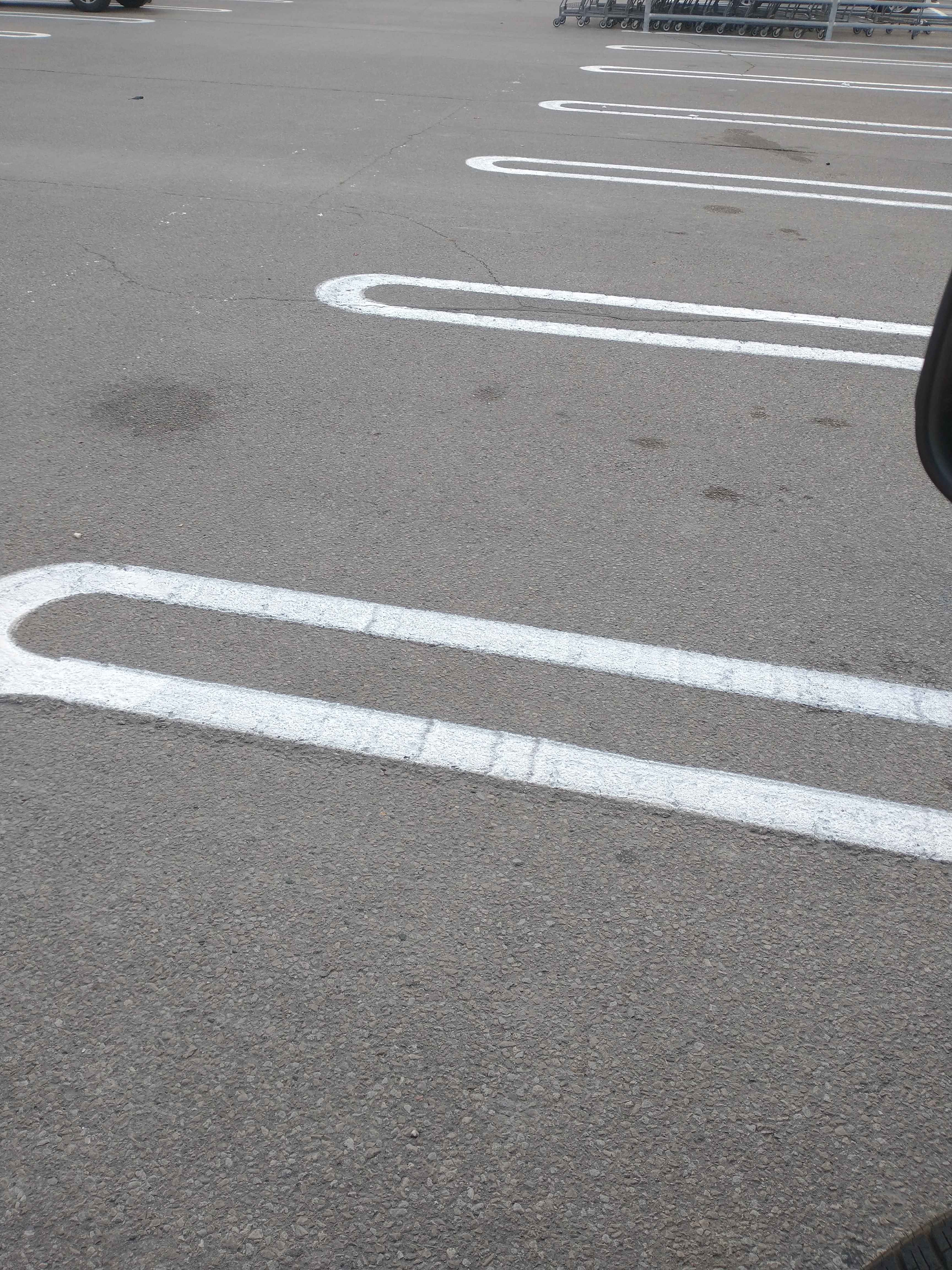
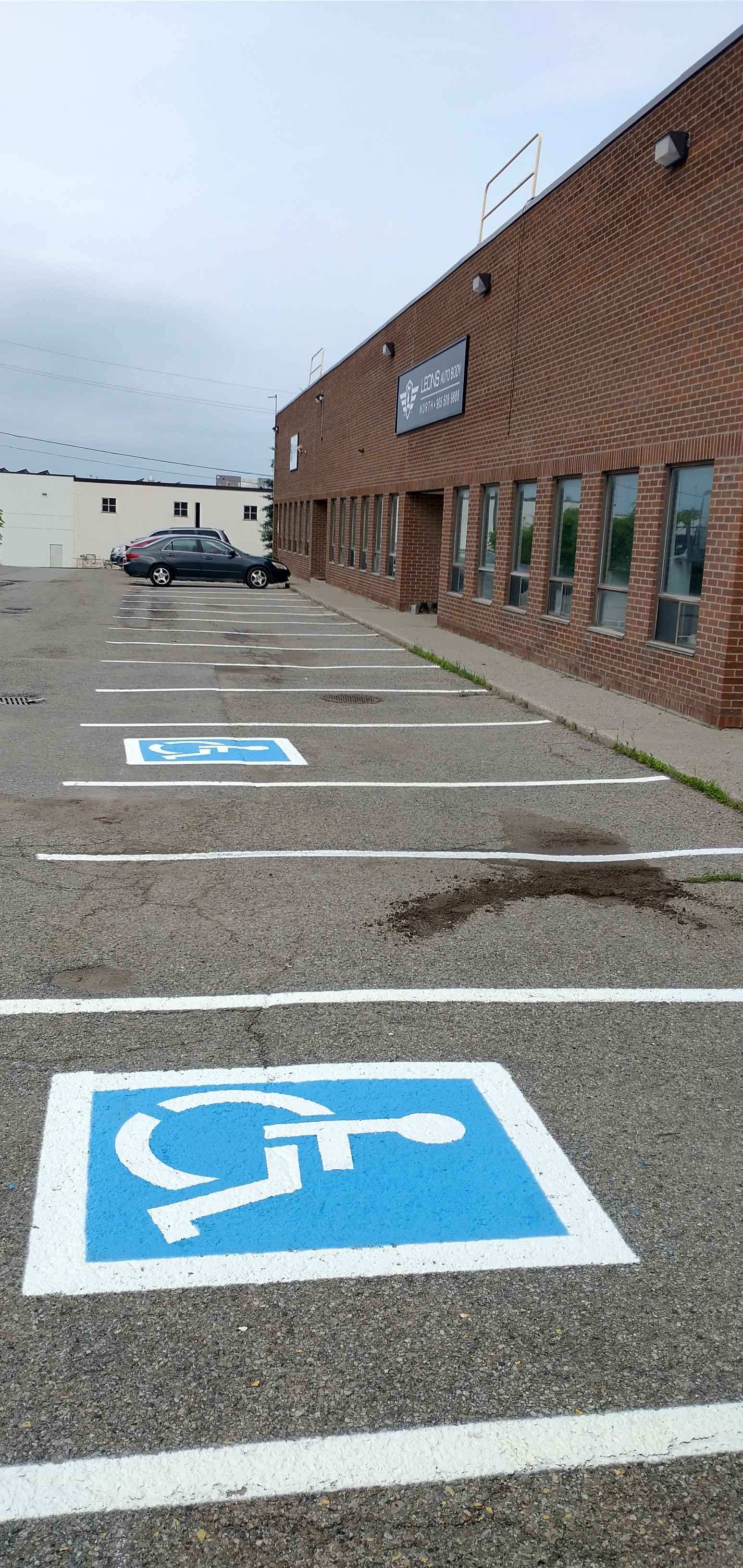
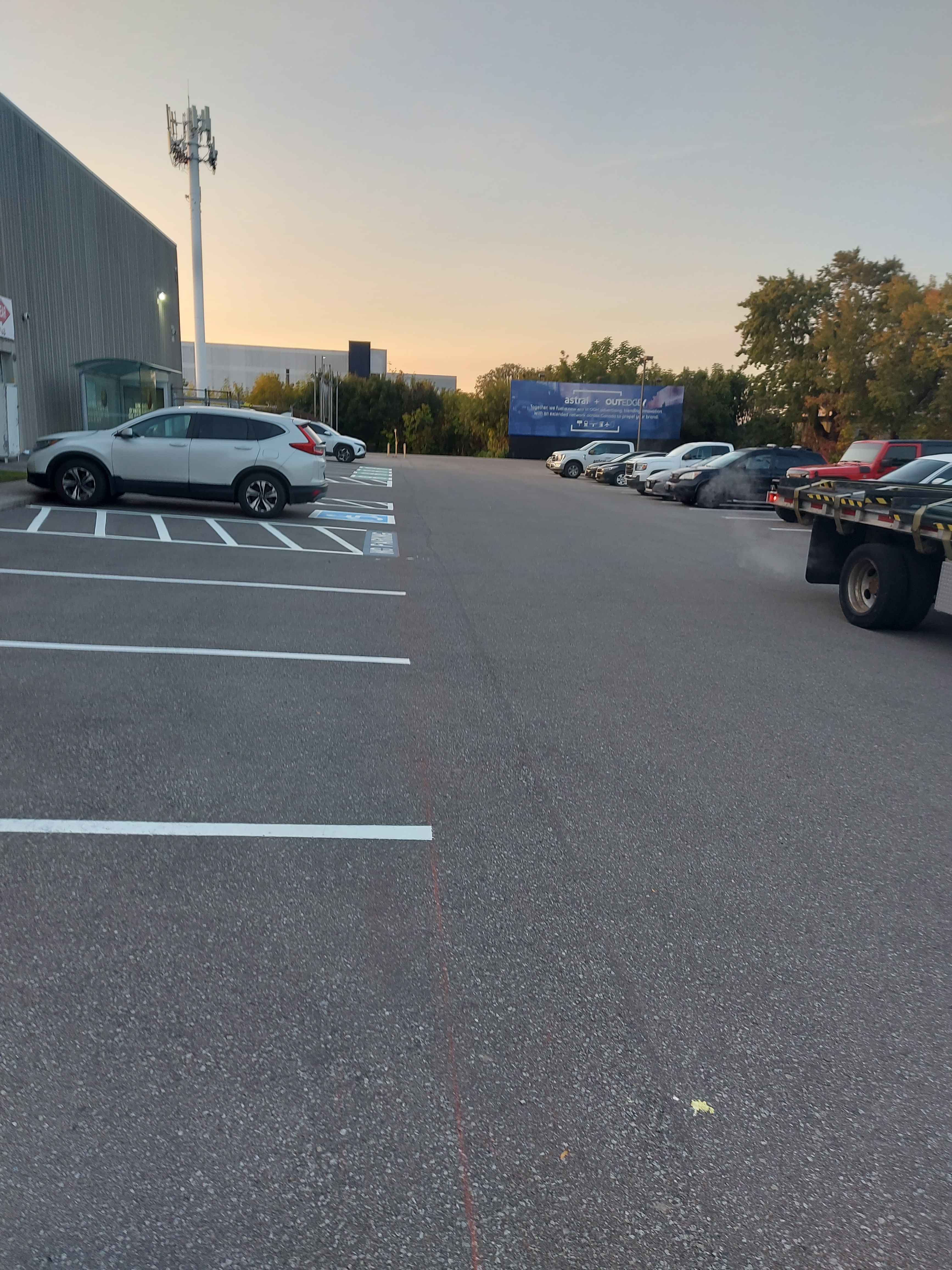
Fresh Line Painting or Line Marking not only improves safety by clearly defining stalls and pedestrian walkways but also provides a professional, high-contrast look against the newly sealed black asphalt. This combination ensures your property in Newmarket looks its absolute best while meeting all safety regulations.
Common Mistakes to Avoid
Many property owners attempt to DIY their maintenance, which can lead to costly errors. Avoid these common pitfalls:
1. Applying Over Dirty Surfaces
If the asphalt isn't pressure washed and cleared of debris, the sealer will not bond, leading to peeling within months.
2. Ignoring Cracks
Sealcoating is a surface treatment. If you have deep cracks, they must be filled with a hot rubberized crack filler before the sealer is applied.
Trust the Professionals
Maintaining a commercial parking lot requires specialized equipment and high-grade materials. Capital Parking Lot Line Painting provides comprehensive solutions tailored to the specific climate challenges of Ontario. From heavy-duty sealcoating to precise Line Marking, our team ensures your pavement is built to last.
Ready to Protect Your Investment?
Don't wait for the first pothole to appear. Contact us today to schedule a professional assessment of your asphalt surfaces.