How to Add Directional Arrows and Text to Your Parking Lot
A well-organized parking lot is more than just a place to leave a vehicle; it is the first impression of your business and a critical component of site safety.
The Importance of Visual Communication in Parking Lots
When drivers enter a commercial property, they are often looking for specific destinations: entrance points, exit lanes, handicap spots, or loading zones. Without clear guidance, confusion ensues. This confusion leads to congestion, near-miss accidents, and frustrated customers. This is where professional line marking becomes an indispensable tool for property managers.
By utilizing high-visibility directional arrows and clear text, you create an intuitive roadmap for every driver. Whether you are managing a retail complex in Cambridge or a large industrial warehouse, the goal is the same: seamless movement. Capital Parking Lot Line Painting specializes in creating these visual cues that guide traffic efficiently and safely.
Key Elements of Effective Parking Lot Marking
Adding arrows and text is not just about aesthetics; it is about functional design. Here are the primary elements you should consider when planning your next project:
1. Directional Arrows
Arrows are the most effective way to dictate the flow of traffic. They should be placed at decision points, such as intersections within the lot or at the start of one-way lanes. Proper arrow placement prevents head-on collisions and ensures that vehicles move in a predictable pattern.
2. Regulatory Text
Text provides the "rules of the road" for your specific property. Common text markings include:
- "STOP" at intersections and exit points.
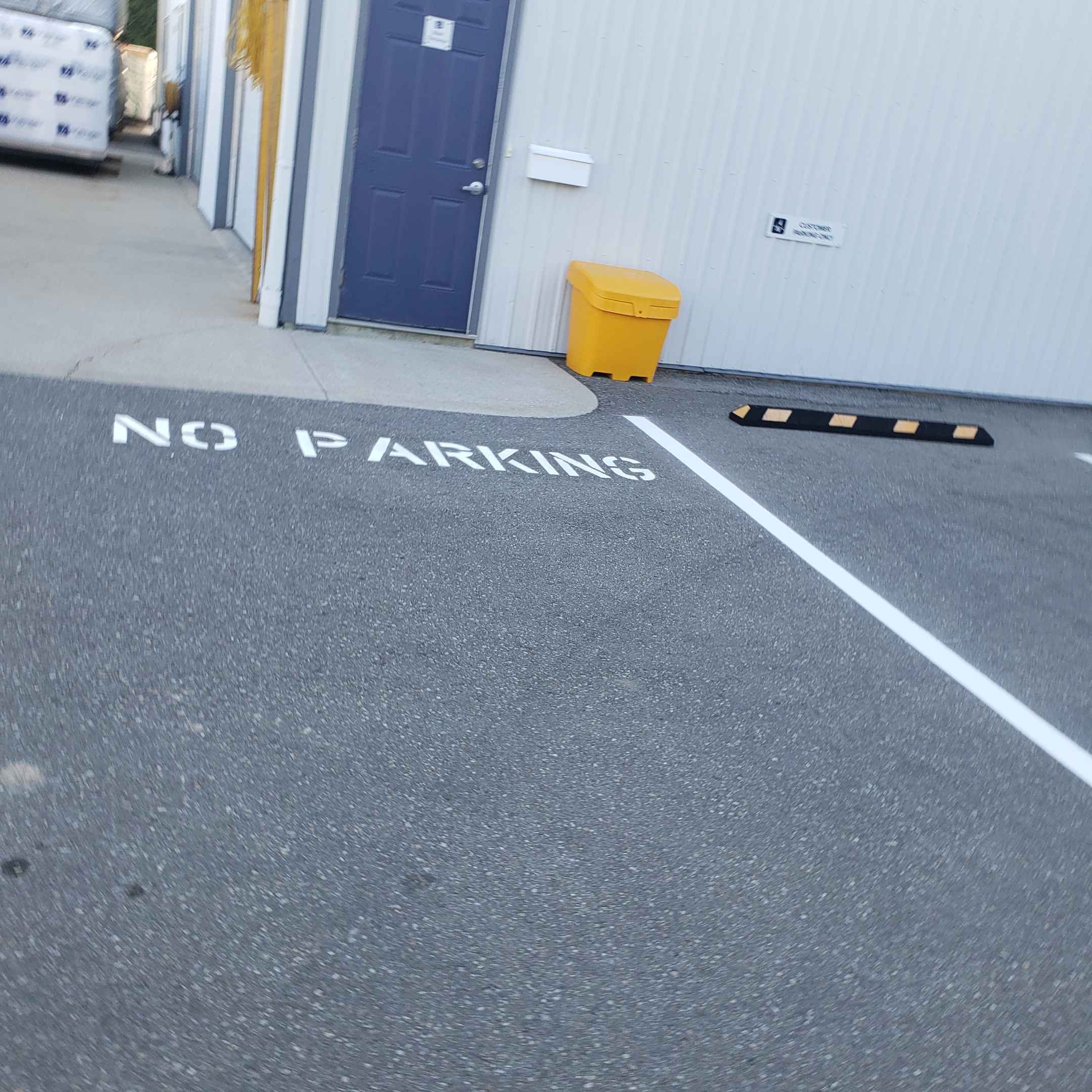
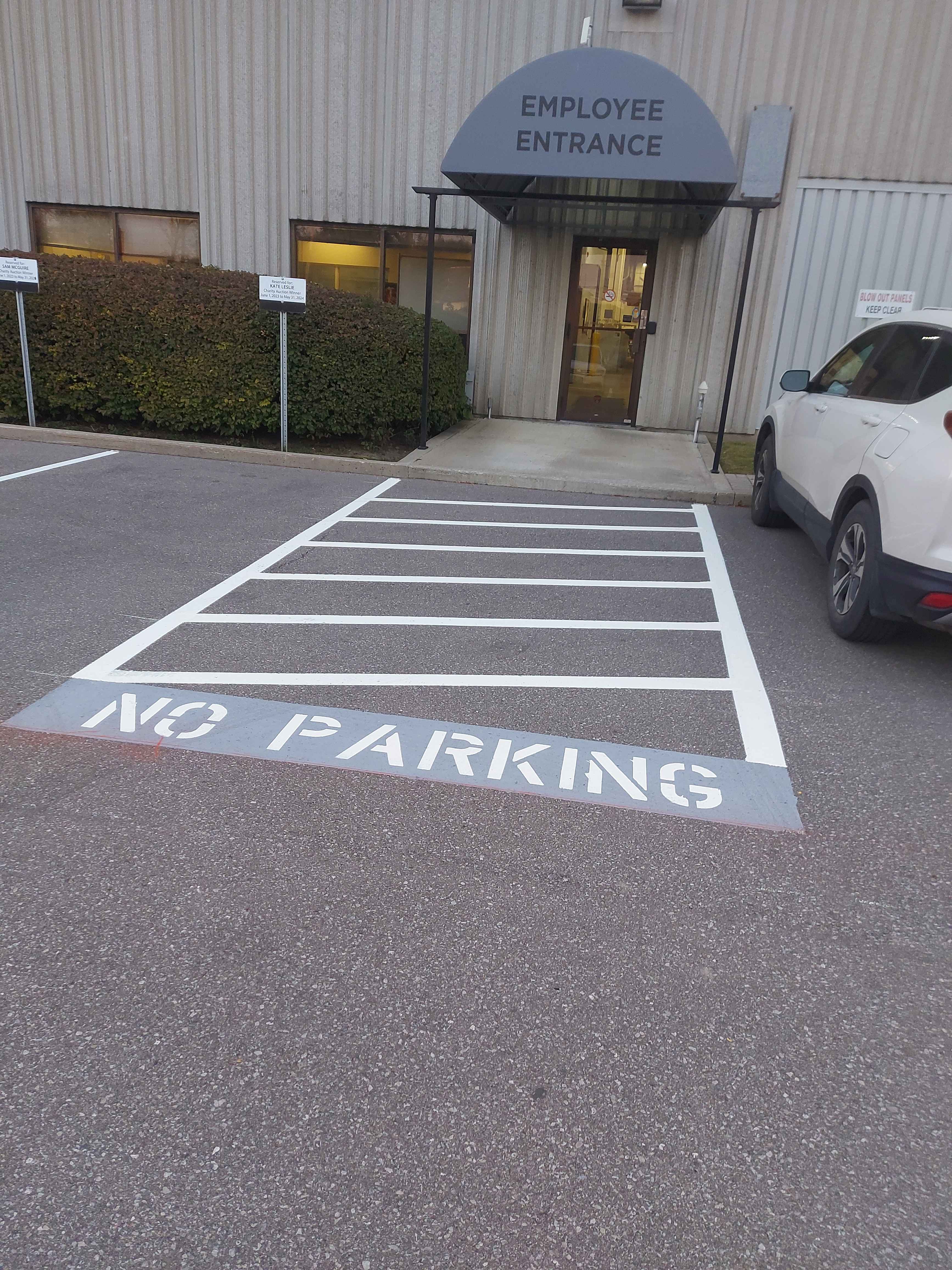
- "NO PARKING" in fire lanes or loading zones.
- "ONE WAY" to reinforce directional flow.
- "RESERVED" for specific staff or customer areas.
- "ONLY" to designate specific lanes (e.g., "EXIT ONLY").
3. Compliance and Accessibility
In many jurisdictions, including those within Cambridge, certain markings are legally required to ensure accessibility. Proper marking of handicap zones and access aisles is vital for compliance with accessibility standards. Capital Parking Lot Line Painting ensures that all markings meet local regulatory requirements to protect you from liability.
The Process: How Professional Line Painting is Done
Achieving crisp, legible arrows and text requires more than just a bucket of paint and a stencil. To ensure longevity and visibility, a professional approach is necessary.
- Surface Preparation: The area must be cleaned of oil, dirt, and debris. Any cracks in the asphalt should be addressed to ensure the marking adheres properly.
- Layout and Stenciling: Precision is key. Professionals use high-quality stencils to ensure that text is readable from a distance and arrows are geometrically correct.
- Material Selection: Using high-grade traffic paint or thermoplastic ensures that the markings can withstand heavy vehicle traffic and harsh weather conditions.
- Application: Whether using a hand-pushed applicator or a specialized machine, the application must be even to prevent fading or peeling.
When you hire Capital Parking Lot Line Painting, you are investing in a process that prioritizes durability and clarity.
Common Mistakes to Avoid
Many property owners attempt DIY solutions, only to find that the results are subpar and potentially dangerous. Avoid these common pitfalls:
Poor Visibility: Using paint that is too thin or the wrong color can make markings invisible at night or during heavy rain.
Incorrect Placement: Placing an arrow too close to a curb or a light pole can render it useless to drivers.
Visual Inspiration
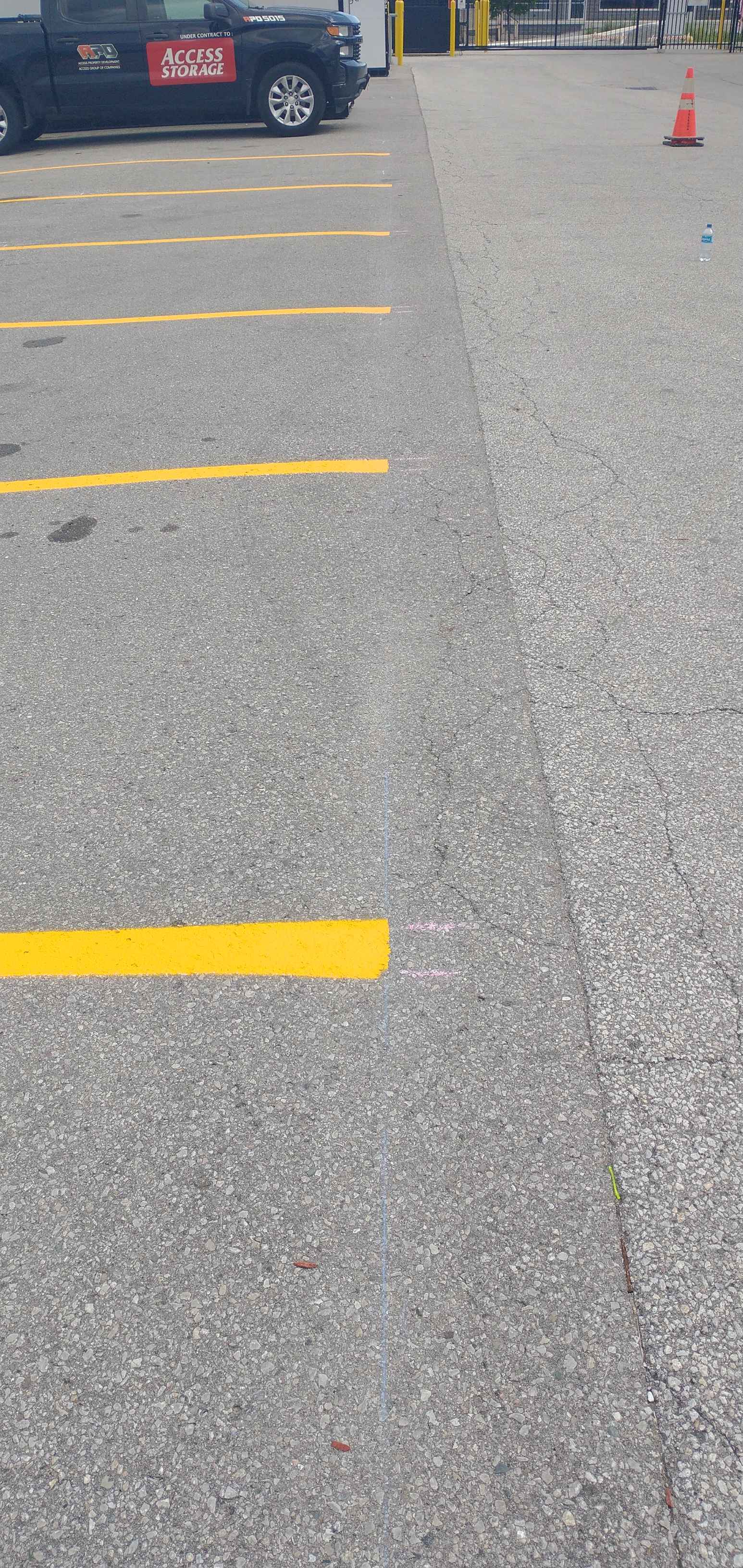
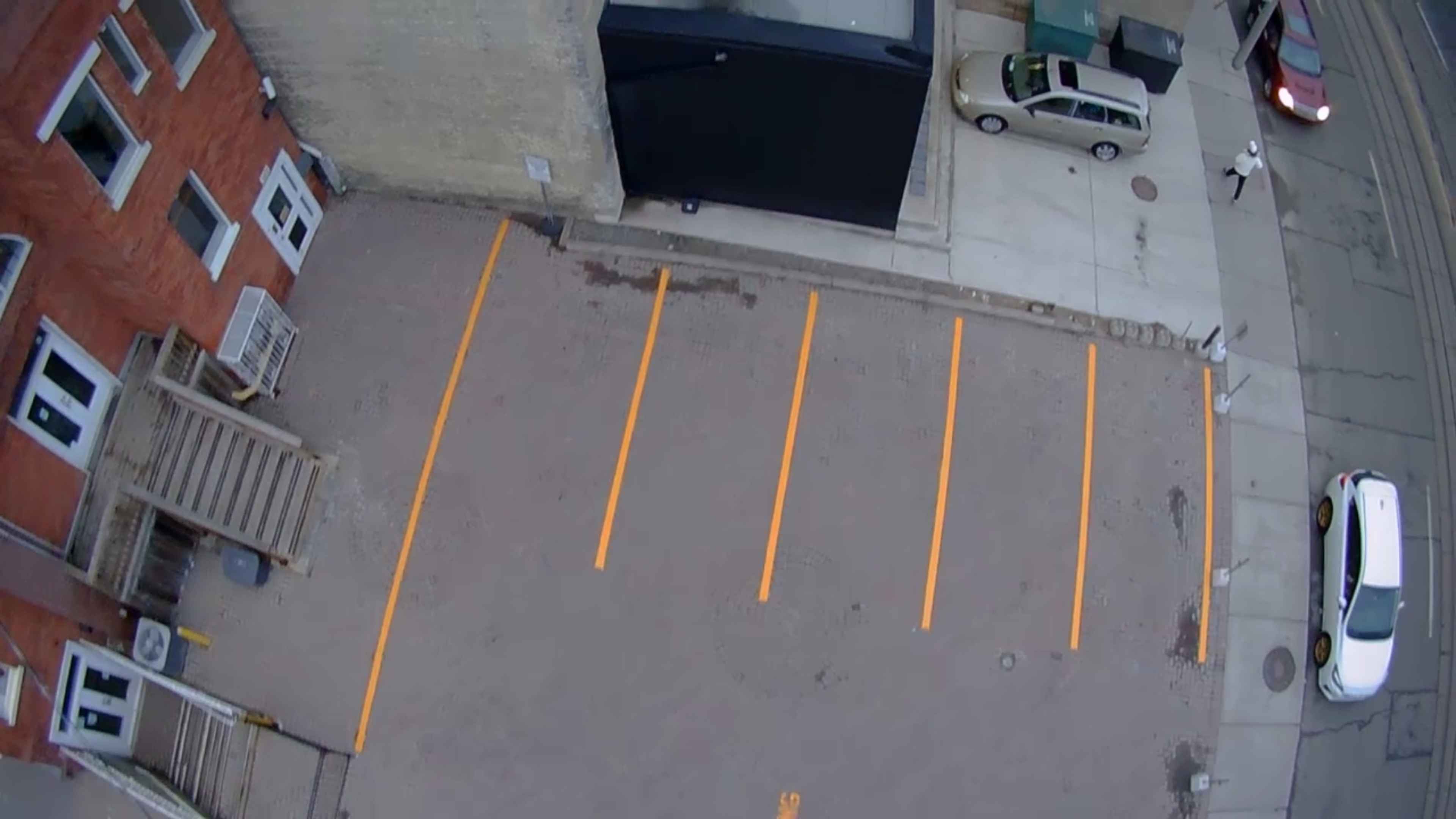
High-quality line marking doesn't just direct traffic; it elevates the entire look of your facility. Clear, bright, and professional markings signal to your customers that you care about detail and safety.