Top Mistakes Facility Managers Make When Overlooking Cracks
A small fracture in your asphalt today can become a massive liability tomorrow. Learn how to avoid the common pitfalls of pavement maintenance.
For facility managers, the daily grind involves a thousand small decisions. Between managing vendor contracts, ensuring tenant satisfaction, and overseeing safety protocols, it is easy to let the small things slide. However, when it comes to exterior pavement and parking lot integrity, "small things" like hairline cracks are anything but trivial. In growing hubs like Whitby, where weather fluctuations can be extreme, neglecting these early warning signs is a recipe for disaster.
At Capital Parking Lot Line Painting, we have seen firsthand how minor oversights evolve into structural failures. This guide explores the most common mistakes facility managers make and how you can pivot from reactive repairs to proactive preservation.
1. Treating Cracks as Cosmetic Issues
The most dangerous mistake a manager can make is assuming that a crack is merely an aesthetic problem. While a spiderweb of cracks might look unappealing to visitors, the real danger lies beneath the surface. Cracks act as conduits for water, salt, and debris.
When water enters a crack and undergoes freeze-thaw cycles—a common occurrence in Whitby—it expands, widening the gap and undermining the sub-base. By the time the crack is large enough to be "ugly," the foundation of your parking lot may already be compromised. Engaging professionals like Capital Parking Lot Line Painting early can prevent this structural decay.
2. The "Wait and See" Approach
Many facility managers operate on a reactive maintenance model: wait for a pothole to form, then fix it. This approach is fundamentally flawed for several reasons:
- Escalating Repair Needs: A simple crack fill is inexpensive; a full asphalt overlay is not.
- Safety Liabilities: Potholes and large cracks increase the risk of trip-and-fall accidents and vehicle damage.
- Operational Disruption: Emergency repairs often require sudden closures, whereas scheduled maintenance can be planned during low-traffic hours.
- Reduced Asset Lifespan: Regular maintenance extends the life of your pavement by years, if not decades.
3. Using Incorrect Sealant Materials
Not all crack fillers are created equal. A common mistake is attempting to use "DIY" solutions or low-grade materials that do not bond correctly with the existing asphalt. If the sealant does not adhere perfectly, water will seep behind it, causing the patch to pop out within a single season.
Professional services, such as Capital Parking Lot Line Painting, use industrial-grade hot rubberized crack sealants designed to remain flexible. This flexibility is crucial; the sealant must expand and contract with the pavement as temperatures change without losing its bond.
4. Neglecting the Synergy Between Crack Repair and Line Marking
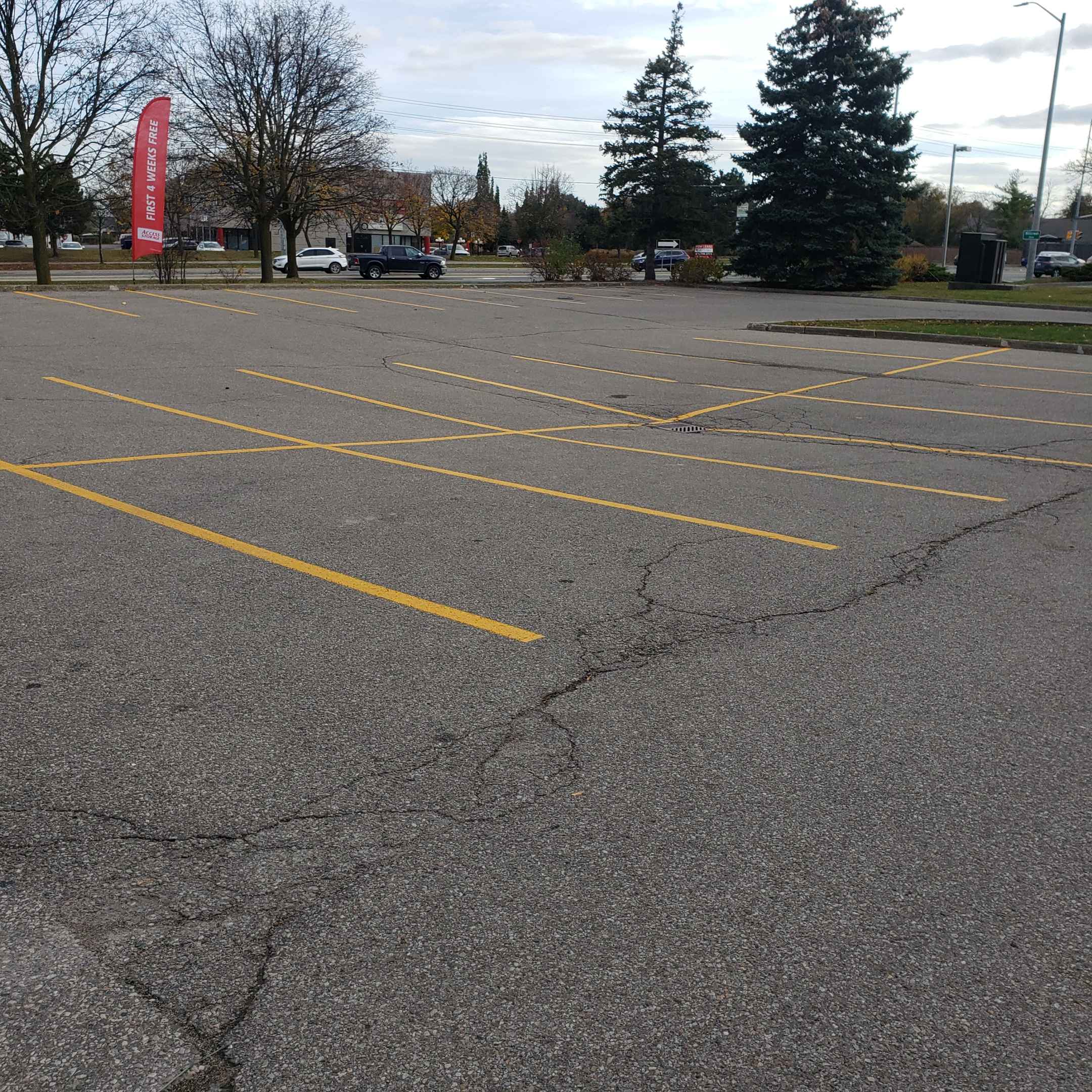
A pristine parking lot requires more than just smooth asphalt; it requires clear, visible guidance for drivers. Many managers focus so heavily on the structural integrity that they forget about visibility. Once cracks are repaired and the surface is sealed, the next logical step is fresh Line Marking.
Clean, bright lines improve traffic flow, ensure ADA compliance, and significantly enhance the professional appearance of your facility. Integrating your crack repair schedule with your Line Painting schedule ensures a cohesive and efficient maintenance cycle.
Proactive Maintenance Checklist
To avoid these mistakes, implement a quarterly inspection routine. Look for:
- Hairline cracks that could indicate early shifting.
- Fading Line Marking that may cause confusion.
- Areas of standing water after rainfall (a sign of poor drainage or sub-base issues).
- Edge crumbling near curbs or sidewalks.
Conclusion
Managing a facility is about foresight. By recognizing that cracks are structural signals rather than just visual blemishes, you protect your property's value and your organization's liability. Don't wait for the pavement to fail; invest in the longevity of your assets through professional assessment and timely intervention.
Ensure your parking lot remains safe and professional with expert care from Capital Parking Lot Line Painting.