When Is It Too Late to Fill Cracks Before Winter?
As the leaves begin to change and the air turns crisp, property owners in Ontario start thinking about winter preparations. While most focus on salt and snow removal, there is a silent threat lurking beneath the surface of your pavement: unsealed cracks.
The Race Against the Freeze-Thaw Cycle
If you own a commercial property or a large residential driveway, you know that asphalt is a living, breathing material. It expands and contracts with the temperature. In a top 30 city like Windsor, we experience significant seasonal shifts that put immense pressure on our infrastructure. The most dangerous period for your asphalt isn't actually the deep freeze of January; it is the transition period known as the freeze-thaw cycle.
When water enters a small crack in your asphalt and then freezes, it expands by approximately 9%. This expansion acts like a wedge, pushing the sides of the crack further apart. When it thaws, the water settles deeper, and the cycle repeats. If you wait until the ground is frozen to address these issues, you are already too late. The damage is being done from the inside out.
At Capital Parking Lot Line Painting, we recommend completing all preventative maintenance before the first frost hits the ground. This ensures the sealant has adequate time to cure and bond with the asphalt substrate.
The Critical Deadline: When is 'Too Late'?
Technically, you can fill cracks any time the temperature is above freezing, but from a preventative maintenance standpoint, 'too late' is defined by the onset of consistent nighttime frosts. Once the ground temperature begins to fluctuate around the 0°C mark, the window for effective crack filling begins to close rapidly.
Signs You Need Immediate Attention
Don't wait for a massive pothole to appear. Look for these warning signs during your autumn inspections:
- Hairline cracks that are barely visible but present.
- Widening gaps that allow water to pool during rain.
- Alligator cracking (a pattern resembling reptile skin), which indicates structural failure.
- Discoloration or areas where the asphalt seems to be crumbling at the edges.
By the time these issues become obvious, the structural integrity of your parking lot may already be compromised. Proactive maintenance with Capital Parking Lot Line Painting can prevent a minor crack from becoming a major reconstruction project.
Why Timing Matters for Asphalt Longevity
It isn't just about the cracks themselves; it's about the environment. In Windsor, our winters can be unpredictable. Early snowfalls or sudden ice storms can trap moisture inside unsealed cracks, accelerating the deterioration process.
When you perform crack filling in late summer or early autumn, you are essentially 'waterproofing' your pavement. This barrier prevents moisture from reaching the sub-base, which is the most critical component of your parking lot's stability. If the sub-base becomes saturated and then freezes, the entire surface can heave, leading to uneven surfaces and dangerous driving conditions.
Professional Maintenance and Line Marking
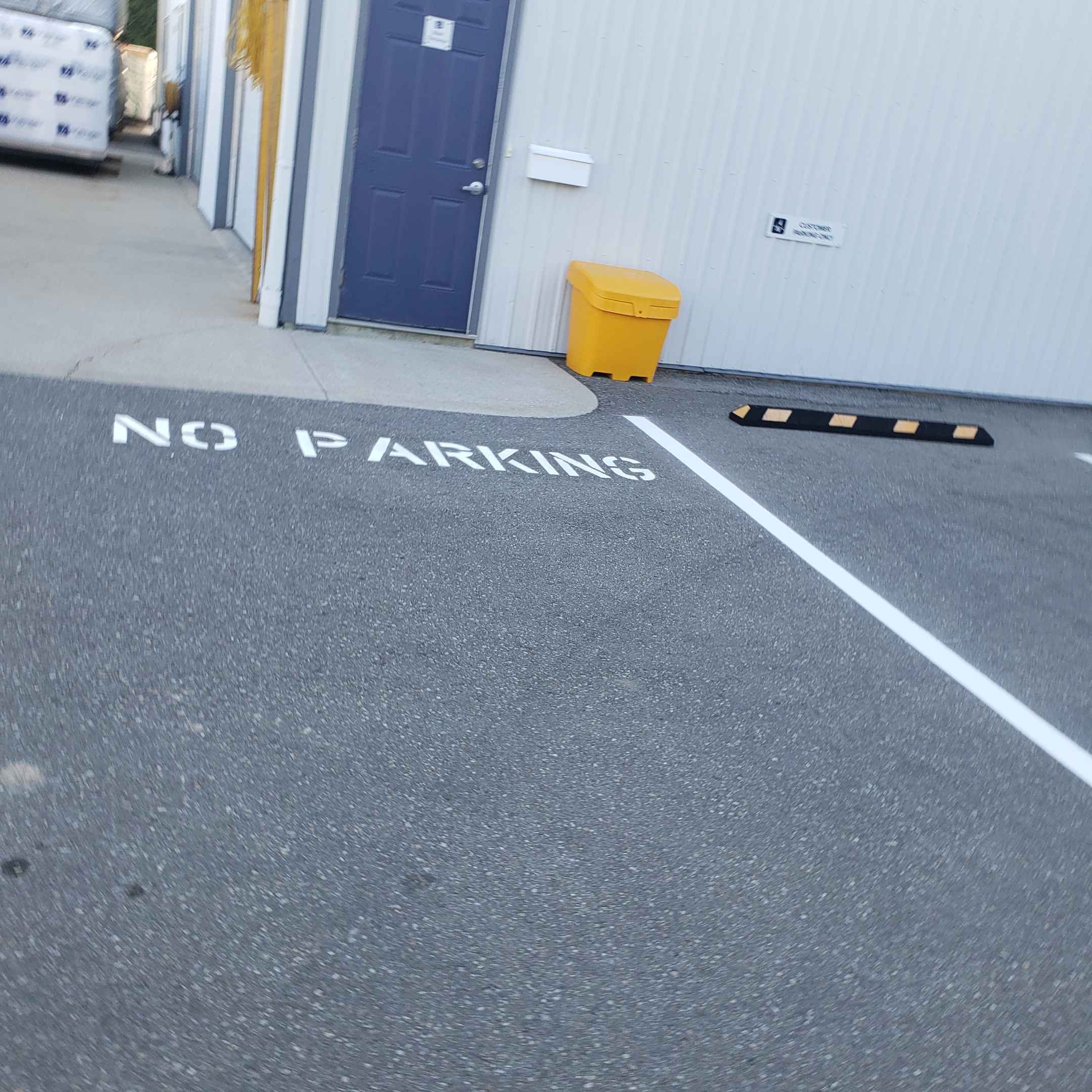
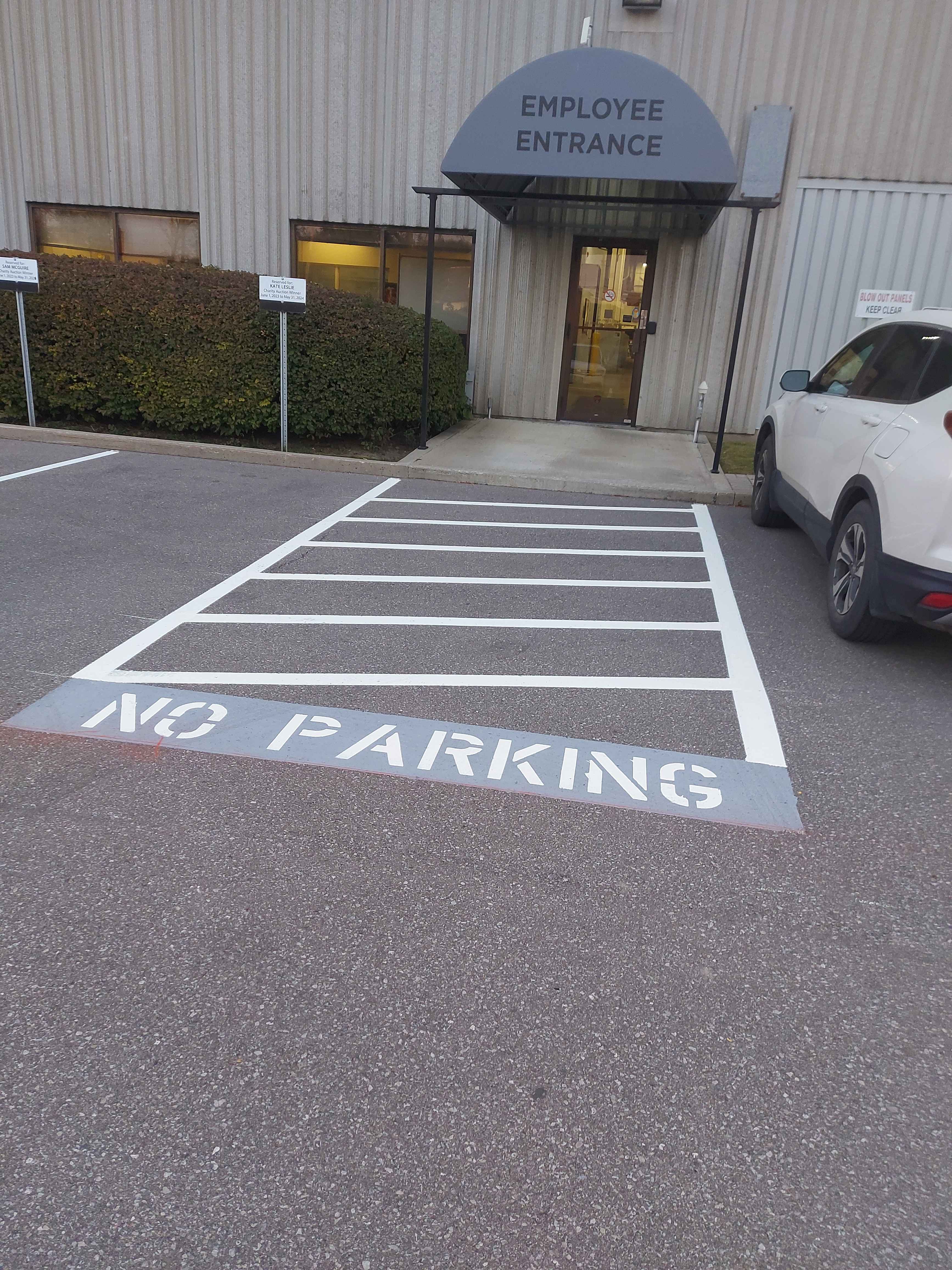
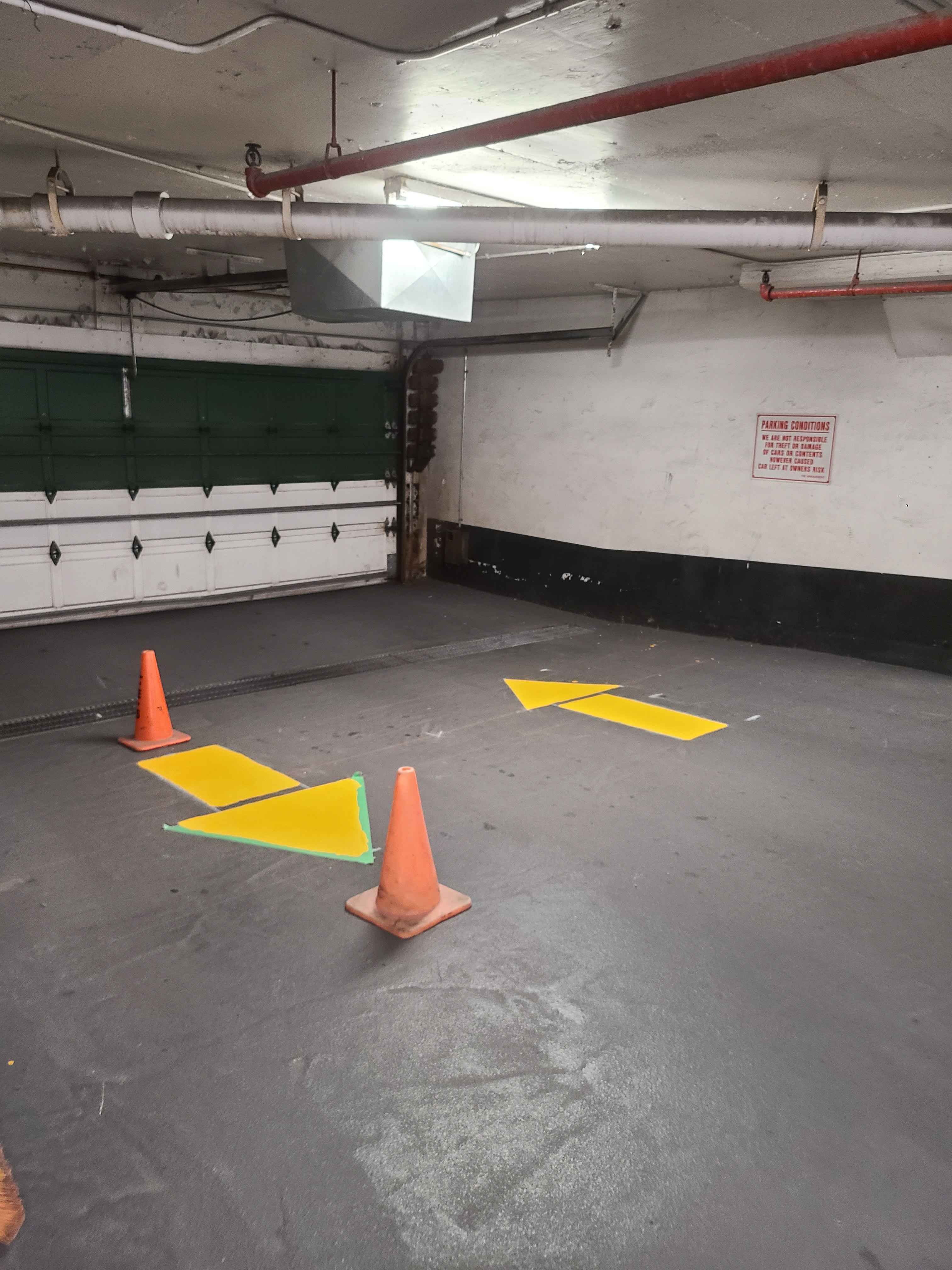
Beyond just filling cracks, a well-maintained lot requires clear visibility. As part of your seasonal upkeep, consider professional Line Marking. Clear, bright lines ensure safety and organization, especially during the dim, snowy days of winter. Capital Parking Lot Line Painting provides comprehensive services to ensure your property is both structurally sound and visually professional.
Summary of Best Practices
To maximize the life of your asphalt, follow this general timeline:
- Spring: Inspect for damage caused by the winter thaw.
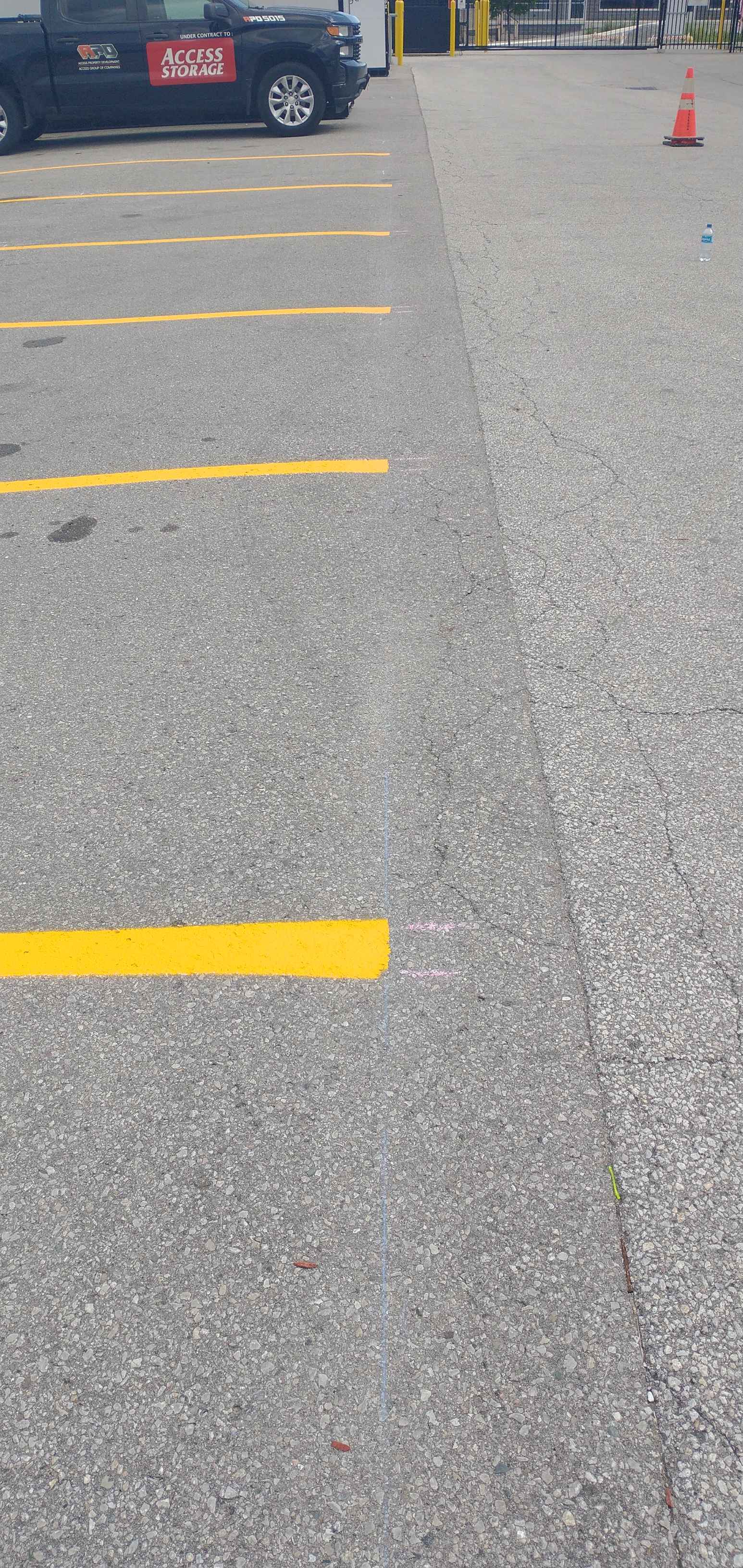
- Summer: Perform minor repairs and consider refreshing your Line Painting to improve curb appeal.
- Late Summer/Early Fall: This is the 'Golden Window' for crack filling.
- Winter: Focus on snow removal and salt management to prevent further stress.
Conclusion
Waiting until the snow starts to fall to think about your asphalt is a recipe for expensive repairs come spring. By addressing cracks in the late summer or early autumn, you protect your investment from the harsh Ontario elements. Don't leave your property's safety to chance—get ahead of the frost.